NBA · transaction
Toronto Just Signaled It Isn't Done Trading: What the Kawhi Extension Means for Raptors Betting
Bobby Webster says Toronto still has assets and cap flexibility to upgrade around Leonard—a fresh window that could widen team-total and spread numbers before training camp opens.
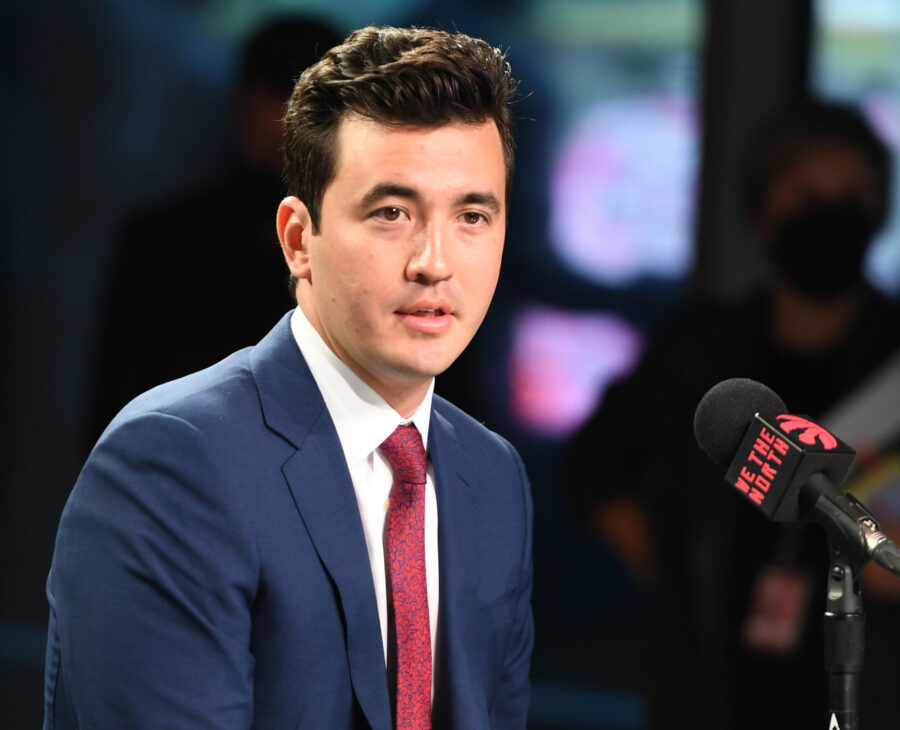
Toronto acquired Kawhi Leonard from LA earlier this month by surrendering two first-round picks, two second-round picks, and a first-round pick swap. On Thursday, Raptors president of basketball operations Bobby Webster went on record to signal this wasn't an exhaustion of the roster-building toolkit. Webster confirmed the team retains first-round picks in each of the next four years, sits just $1 million over the luxury tax threshold, and maintains the flexibility to shed salary if needed or add payroll if the front office identifies a gap. That combination—a star forward locked into a two-year, $115 million extension with a stated multi-year window, plus a front office with ammunition left—frames how the market should adjust Raptors win totals and playoff odds heading into the 2026–27 season.
The timing of Leonard's signing and Webster's public affirmation matters. The trade agreement itself was finalized in June but held in escrow for over two months while the league completed its salary cap circumvention investigation into the Clippers. Webster cited "risk tolerance" and the team's reputation as reasons to wait rather than rush. That patience now carries a narrative: Webster and ownership are serious about the window, willing to absorb short-term friction (the hold, the assets spent) in exchange for long-term legitimacy. When a president says ownership "has been incredibly supportive" and hints at potential moves for RJ Barrett or other upgrades, that's internal valuation leaking. The Raptors have signaled they are willing to spend to keep Leonard surrounded by complementary talent.
Jakob Poeltl's health status adds a layer to the team-total calculus. Back issues limited the starting center to 46 games last season; even when active, he appeared compromised. Webster expressed optimism that Poeltl is healthier heading into camp—acknowledging he's "in good spirits, good shape." A healthy Poeltl at the five changes the Raptors' rim defense, rebounding profile, and pick-and-roll efficiency. Leonard's scoring load may decrease modestly if Poeltl and the rest of the roster function closer to capacity, but team offensive efficiency—the lever that moves team-total overs—should tick up. Early-season injuries often deflate first-half overs; a roster returning closer to health (especially Leonard, who missed significant time last year with the Clippers) typically allows oddsmakers' preseason projections to hit.
PropBet implication: Raptors team totals opened around 109–111 wins for the 2026–27 season, priced below Eastern Conference heavyweights despite Leonard's arrival. That discount reflects lingering doubt about durability and roster depth. Webster's Thursday briefing—specifically his assertion that additional moves remain possible and ownership will back them—signals the market may have underpriced Toronto's offensive ceiling. If the Raptors add a secondary playmaker or defensive wing before camp, even a modest role-player trade, team total overs at 109.5–110.5 should contract. The early number is unlikely to hold if Webster follows through on his stated flexibility. Conversely, if no moves materialize by mid-October and Leonard's load reaches 28+ points per game due to lack of support, totals will climb via a different mechanism (star volume). The prop edge is in early overs on team total at soft preseason numbers, before the market reprices upward on either news of a trade or news that Leonard is shouldering a star-level usage burden.