Kawhi's Path Back to Toronto Clears — What It Means for Raptors Scoring and Roster Balance
By Erik Schwartz ·
The NBA's salary-cap ruling against the Clippers removes the final legal barrier for Kawhi Leonard to rejoin Toronto, reshaping the Raptors' offensive ceiling and timeline for contention.
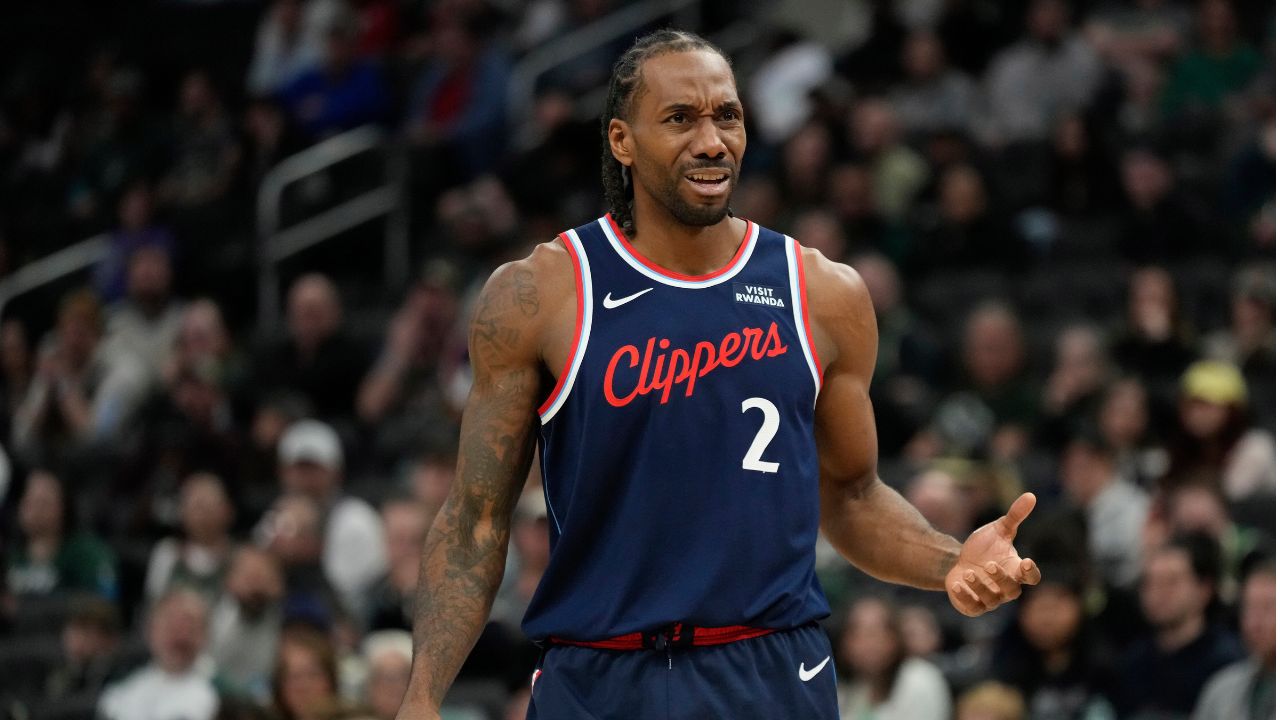
The NBA handed down its verdict on the Clippers' salary-cap circumvention scheme on Wednesday, and the outcome tilts decisively in Kawhi Leonard's favor. The league stripped Los Angeles of five first-round picks (2029–2033), fined the organization $30 million, and suspended owner Steve Ballmer and president Gillian Zucker for one year—but declined to suspend Leonard or void his contract. Leonard himself faces a $700,000 fine and admission of violating circumvention rules through off-court income arrangements, yet the path to Toronto now sits unobstructed. The Raptors and Clippers had paused trade negotiations in July awaiting this ruling; the deal sends Brandon Ingram, Gradey Dick, two unprotected first-round picks, a 2027 pick swap, and two second-round selections to Los Angeles in exchange for Leonard.
Leonard's arrival transforms the Raptors from a project roster into a win-now frame. Last season he averaged 27.9 points, 6.3 rebounds, 3.6 assists, and 1.9 steals per game—numbers that place him comfortably in the top 15 scorers league-wide. The Raptors' current nucleus (Scottie Barnes, RJ Barrett, rookie Collin Murray-Boyles, Immanuel Quickley) has produced competent spacing and ball movement but lacked a true high-volume, high-efficiency scorer. Leonard fills that void. At 34 years old with a well-documented history of load management, he won't play 82 games, but his per-36 profile remains elite—a wing who can defend multiple positions while commanding offensive gravity in ways few remaining two-way players can.
The trade cost, however, warrants scrutiny. Ingram—a 28-year-old, 22-point-per-game scorer with playmaking chops—leaves Los Angeles's books but also represents the kind of secondary creator the Raptors may have needed as insurance. Dick, a 21-year-old wing on a cost-controlled rookie deal, was a lottery pick who showed three-point range. Toronto is betting that Leonard's 27.9-point baseline, combined with Barrett's mid-range reliability and Quickley's on-ball creation, outweighs losing two perimeter scorers and future draft capital. The gamble is reasonable if Leonard stays healthy and available for playoff stretches, but it assumes the Raptors' bench and role players generate enough production to absorb the defensive energy Leonard won't provide on nightly load-management nights.
For prop bettors, Leonard's arrival creates two distinct betting phases. In the short term—his first 8–10 games in a Raptors uniform—expect volatility in his individual scoring, assists, and combined props. Leonard will operate in a new offensive system with unfamiliar spacing and timing; defenses will test how quickly he gels with Quickley's pick-and-roll base and Barrett's off-ball movement. His minutes, too, will stabilize gradually as Toronto's coaching staff calibrates rest windows and game situations. Avoid locking in Leonard props at initial market prices (which will likely price in his season average of 27.9 PPG) until he's had 3–4 outings. By mid-September, however, when Leonard's Raptors role clarifies—his usage percentage, true shot attempts, and assist frequency—a more durable edge emerges. If Leonard maintains a 28+ PPG average while Quickley handles 7+ assists per game, the Raptors' offensive floor rises substantially. Team total unders (if priced conservatively at 111–113 PPG) begin to carry real edge, because Leonard's scoring efficiency at league-average volume will push that number higher than pre-trade models suggested. Watch how oddsmakers reprice the Raptors' season win total and game-by-game totals in the week before Leonard's debut; early movers often miss the magnitude of a bonafide All-Star injection into a previously mid-tier offense.