NBA · transaction
Kawhi's Toronto Discount Reshapes Raptors Payroll Math—and Playoff Window
Leonard takes a $13 million hit on his extension to secure a player option and early free agency window, leaving Toronto with a tightening luxury tax spiral and forced roster choices over the next two seasons.
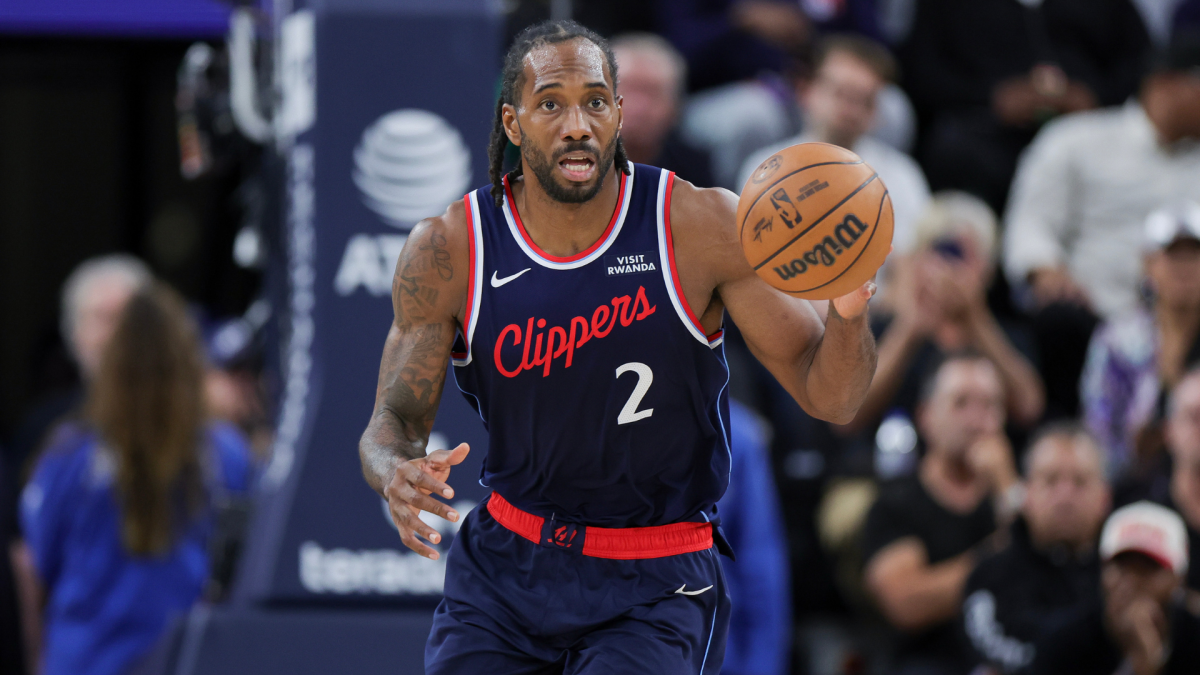
Kawhi Leonard and the Toronto Raptors have agreed to a two-year, $115 million extension, per ESPN, capping a trade saga that began in June and concluded only after the NBA's investigation into the Los Angeles Clippers' cap circumvention scheme wrapped up. Leonard absorbs a 20% raise ceiling—a restriction that applies only to players traded mid-contract—and walks away from approximately $13 million in true maximum salary he could have commanded by waiting six months. In exchange, he secures a player option for 2028-29 and the flexibility to reset his deal two years from now when he turns 37.
The mechanism matters for Toronto's competitive timeline. Leonard, now 35, is betting his body holds through two more seasons and that the Raptors' core—constructed around him, RJ Barrett, and Jamal Shead—justifies extensions for all three. The front office, conversely, is banking on this window closing quickly. The Clippers stripped of five first-round picks; Leonard hit with a $700,000 fine and no suspension or voided contract; Toronto getting a star-level wing without penalty. That's the outcome, and now comes the bill: the Raptors enter 2027-28 with roughly $87 million in luxury tax room already consumed, leaving minimal space to re-sign Barrett and Shead without descending into tax and apron territory. Immanuel Quickley's $97.5 million commitment over three years and Jakob Poeltl's $28 million annual salary add structural rigidity to an already constrained payroll.
The Raptors' path forward hinges on Leonard's willingness to discount his salary again in 2028. Older stars routinely restructure—trading average annual value for years of security—and Leonard's player option is designed with that possibility in mind. If Leonard opts out and re-signs at a lower number, Toronto preserves cap flexibility while keeping its window open. If he opts in, the payroll tightens further and the team likely sheds rotation depth to stay competitive. Either way, the next two seasons are critical: the roster must prove itself worthy of long-term commitments, or Toronto faces a forced rebuild mid-Leonard's tenure.
For prop bettors, this has immediate implications for Raptors team totals and pace-of-play exposure. Leonard's arrival—alongside his track record of high-volume, efficient scoring (27.9 PPG last season)—should elevate Toronto's offensive output, but the financial pressure may force the team to lean on smaller lineups and faster spacing to compensate for eventual depth losses. Leonard's scoring props should benefit from expanded role clarity, while team-total overs could face headwinds if the Raptors are forced to sacrifice bench minutes to manage the tax bill. Monitor how Toronto's rotation stabilizes in the first month; early patterns will signal whether the front office is comfortable absorbing luxury tax penalties or preparing for mid-season consolidation. A disciplined rotation (narrow bench usage, concentrated minutes for core players) suggests management is price-sensitive and will eventually thin the roster—a recipe for lower team totals as depth diminishes.