NBA · transaction
Mitchell's $273M Cavs Extension Signals Cleveland's Win-Now Timeline
By locking in a four-year deal worth $80 million less than he could have commanded next summer, Mitchell has made a bet-the-house commitment to the Cavaliers—one that reshapes how aggressively Cleveland will chase ring-chasing acquisitions.
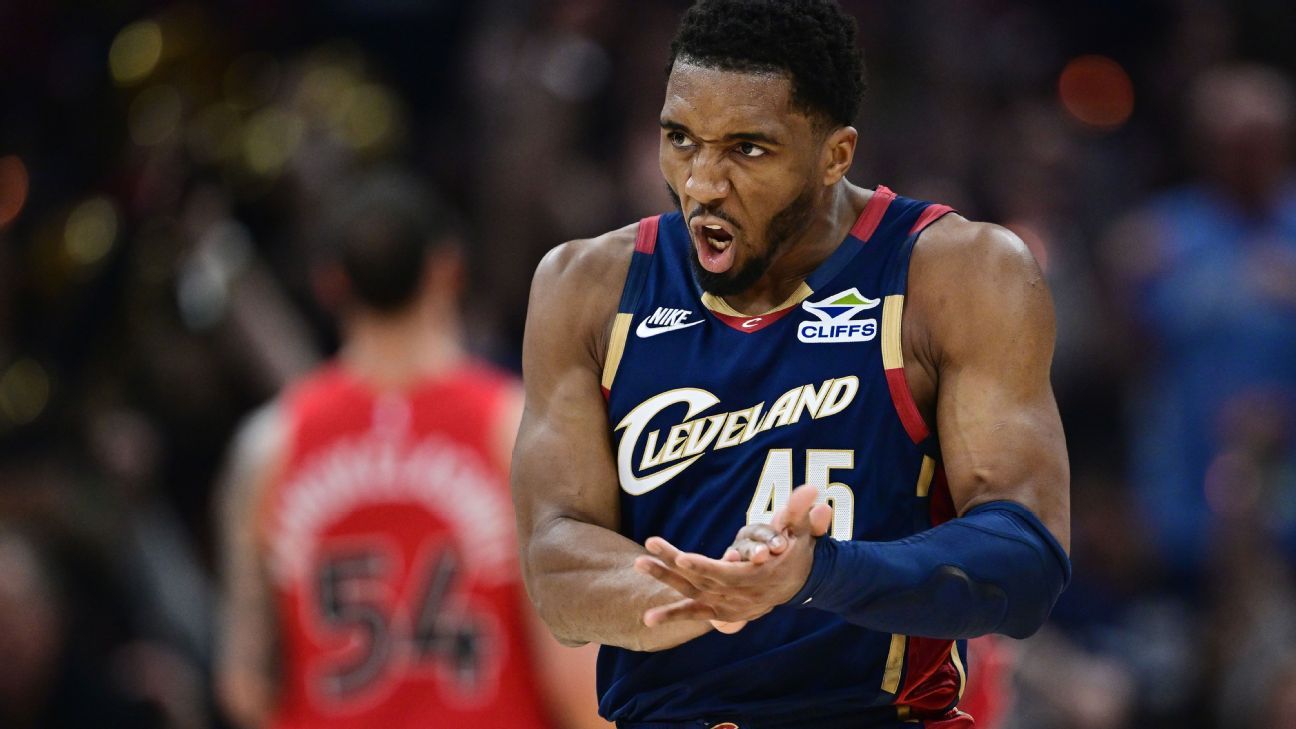
Donovan Mitchell agreed to a four-year, $273 million maximum extension with the Cleveland Cavaliers on Tuesday, forgoing the chance to ink a five-year, $353 million deal next July. The choice matters far more than the dollar amount—it's a structural signal that Mitchell believes this window closes soon and that he's willing to compress his timeline to make it work.
Mitchell could have waited 12 months and extracted an additional $80 million by simply letting his current contract run. Instead, he took a full trade kicker and locked in on day one of eligibility. That's not patience. That's urgency dressed up as loyalty. The Cavaliers were bounced by the Knicks in four games in the Eastern Conference Finals just six weeks ago—a sweep that Mitchell publicly called unacceptable—and now he's moved to eliminate his own escape routes. Owner Dan Gilbert and basketball president Koby Altman negotiated terms in real time once Mitchell and his agent, Austin Brown of CAA, signaled readiness. The organization heard the message: go build around this.
The real competitive implication lives in the salary-cap math. By signing now instead of next summer, Mitchell's deal hits the books for the 2026-27 season at maximum rate, but it also creates a four-year anchor that limits how the Cavaliers can shuffle their roster after the trade deadline. With Mitchell's compensation locked until 2029-30 (plus the 2030-31 player option), Cleveland cannot use his expiring contract for mid-season salary relief. They're committed to the core of Mitchell, Evan Mobley, and Jarrett Allen through the next three full seasons. That rigidity forces the front office into either aggressive external trades now or acceptance that incremental tweaks will define the next cycle. Mitchell's All-NBA credentials over his four Cavs seasons—first-team honors in 2025, second-team in 2023 and 2026—mean the market has validated his star tier. The Cavaliers are betting his mid-to-late 20s remain peak scoring years; Mitchell averaged 26.7 points per game in a Cavs uniform since his 2022 trade from Utah.
For bettors, the extension crystallizes one uncomfortable reality: the Cavaliers front office believes the current roster architecture needs material external help to contend. Mitchell wouldn't lock in early if he had confidence the team could compete as constructed. The fact that he did—while the organization simultaneously courts LeBron James—suggests Cleveland's decision-makers are operating under a compressed contention window. That posture typically manifests in two betting tells: first, regular-season totals and spread volatility increase because a desperate front office makes desperation trades at the deadline; second, playoff odds pricing will shift as the market reprices Cleveland's urgency and probable depth-chart additions. Mitchell's scoring volume and assist role should remain stable given his Cavs-tenure floor (26.7 PPG, 5.3 APG), but the team's win probability—and therefore the probability that his teammates receive more high-leverage possessions down the stretch—now hinges entirely on whether Cleveland successfully acquires a third alpha or a transformational big defender in the next six months.
Mitchell's extension is ultimately a franchise-level wager that two All-NBA wings and a rim-running center can win a title with help. For prop players, it signals that Cavs team totals will be priced for playoff contention from here forward, not as a development-arc play.