NBA
Mitchell Becomes Cleveland's Default Engine as Cavs Face Elimination at Home
Down 2-0 for the second straight series, the Cavaliers are betting their season on elevated usage for Donovan Mitchell—but execution breakdowns and Mobley's vanishing act in Game 2 suggest structure, not star power, is the real problem.
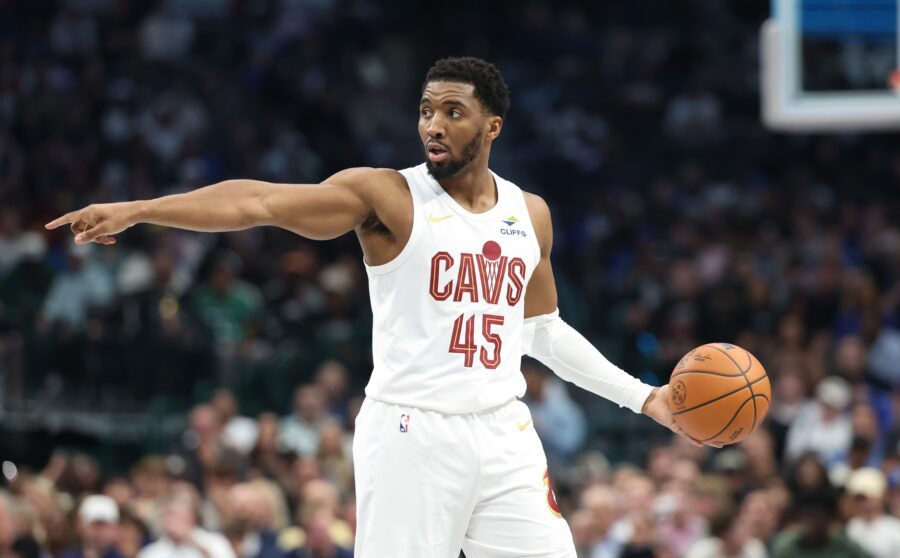
The Cavaliers are handing the keys entirely to Donovan Mitchell for Game 3, and Mitchell is accepting them without flinch. Down 2-0 at home in the Eastern Conference Finals—a repeat of their earlier playoff collapse—Cleveland is leaning on Mitchell's expanded role and vocal authority to arrest a season spiraling toward an unceremonious exit. Mitchell's public message to reporters was measured: make shots, protect home court, execute adjustments. But beneath that calm sits a structural vulnerability the Cavs have failed to fix.
Mitchell's track record in adversity is real. In January, when the Cavaliers stumbled to 17-16 after winning the East last year, Mitchell elevated his usage rate and became the locker-room anchor that kept the roster intact psychologically and competitively. Dean Wade's statement—"We go as he goes"—isn't hyperbole; it's organizational dependency. Coach Kenny Atkinson has doubled down on this framework by keeping the starting lineup unchanged despite Game 2's 16-point loss, signaling that personnel isn't the lever. Execution is.
That diagnosis, however, masks a more troubling pattern. Evan Mobley took zero shots in the second half of Game 2, a non-appearance that suggests either offensive stagnation or deliberate avoidance. Jarrett Allen's post-game commentary on the pick-and-roll—"stop waiting for a play"—reveals an offense that has become reactive rather than generative. The Cavs shot 38.8% from the field and 25.7% from three in Game 2; Atkinson's claim that the "process was right" is cold comfort when the structural movement is creating looks but the decision-making on when to attack versus defer is broken. When a 7-footer like Mobley vanishes in the second half, it's not because he ran out of energy. It's because the offense stopped finding him at decisive moments.
For prop bettors, this shapes how to price Mitchell's usage. His assists line and his points line are inversely tethered to Mobley's involvement. If the Cavs continue to lean on pick-and-roll initiation from Mitchell at the top rather than processing action through Mobley's downhill gravity, Mitchell's assist total could undershoot expectations despite elevated usage. Mitchell's January surge came with the ball in his hands more often—true—but it also came with secondary playmakers (including Mobley) moving with intent. Right now, the second-half collapse in Game 2 suggests Mobley has mentally checked out or the offensive system has locked him out. That's a structural bet, not a usage bet. If Mobley's second-half shot attempts remain suppressed in Game 3, Mitchell's assists will decline even if his points total climbs. The line market may price Mitchell's overall usage spike without accounting for the execution misalignment. Watch whether the Cavs establish Mobley early in Game 3; if Atkinson waits until it's too late, Mitchell becomes a pure scorer in a volume-up scenario—higher volatility, lower assists, harder to hit combo props that assume balanced usage.
Atkinson's insistence that "guys are going to be banged up" and Mitchell's denial of any injury (beyond normal playoff wear) is standard deflection. The real injury is systematic: an offense that can no longer execute the secondary read. Mitchell is being asked to be the entire cognitive load of the offense. That works for volume scoring. It doesn't work for assist props against a team that has already shown it can defend the perimeter and collapse on isolation. Game 3 is a must-win at home, but the Cavs' path to winning isn't through Mitchell doing more. It's through Mobley and Allen remembering how to move without waiting for a call.