MLB · lineup
May's Three-Inning Audition Leaves Brewers With Clarity and Questions
Dustin May flashed late-season velocity and command against St. Louis, but a 432-foot home run muddies Milwaukee's playoff rotation math with less than a week to decide.
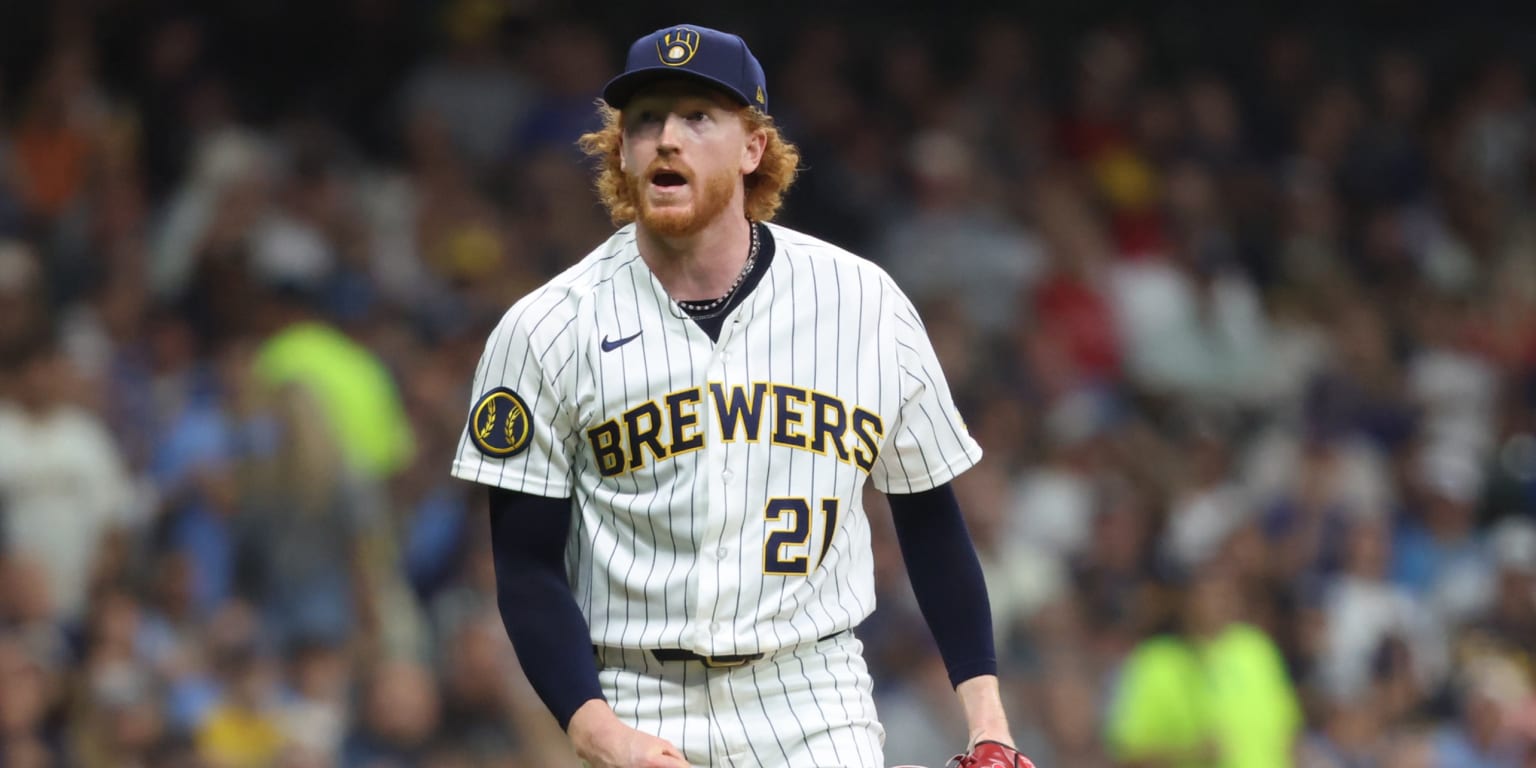
Dustin May threw three innings against the Cardinals on Saturday in what amounted to his final regular-season pitch before the Brewers lock in their postseason roster. The outing split the difference: a dominant first frame (99.2 mph heat, five strikeouts total, two of them consecutive to open the game), a damage-limited second (one run on a broken-bat single), and a third-inning mistake to Alec Burleson that sailed 432 feet and forced May to swallow his frustration. Milwaukee won 3-2 on a Brice Turang two-run homer and six scoreless innings of relief, securing their 102nd victory and a playoff berth. The decision on where May fits—starter, extended reliever, or situational weapon—remains unsigned.
May arrived at the Trade Deadline as part of a rotation refresh for October baseball. Over 10 regular-season starts in a Brewers uniform, he posted a 5.65 ERA and completed five innings only once in his final eight outings. Some damage was circumstantial: a line drive struck him on the first pitch at Citi Field, forcing an early exit. But the Brewers' recent strategy of shortened leashes—abbreviated starts in Philadelphia and Saturday designed to rebuild confidence—produced mixed results. His penultimate outing in Philly yielded two runs in six outs on two walks and a home run. That mirrors the pattern: flashes of elite stuff (touching triple digits, sharp sequencing when dialed) shadowed by mechanical inconsistency and a tendency to leave pitches in the contact zone.
Manager Pat Murphy and pitching coach Chris Hook have nine days to assemble a postseason rotation alongside Jacob Misiorowski and Logan Henderson. Murphy acknowledged after Saturday's win that health, workload distribution, and matchup leverage will determine the final architecture. Hook suggested the conversation would happen Monday—meaning the Brewers already have preliminary intel on May's October role. What Saturday provided was neither a full tryout nor a conclusive answer, but enough tape to weight the variables: his velocity floor remains 98-plus, his third-inning mistake was a location issue (aiming high-and-in, leaving it middle-out), and his confidence visibly recovered when he retired the side in round one. May himself framed the outing as a confidence-building moment, though he conceded he left nothing to chance in his sequencing.
For playoff betting purposes, the variance here is material. If May slots into a high-leverage, short-inning relief role—a bullpen specialist for the Division Series—his strikeout rate becomes a valuable prop target. His K/9 in the minors and during his best stretches hovers near 10.5, and three innings against a weak Cardinals lineup produced five strikeouts (one every 1.8 innings). However, if the Brewers slot him into a traditional starter's role against a playoff opponent, his ERA volatility and home-run tendencies (Burleson's blast was his third in five starts) make over props on team ERA and under props on his innings pitched more defensible. The market will adjust rapidly once the Brewers announce their bracket on Monday. Early lines on May's involvement—strikeouts, innings, earned runs—will price him at a higher floor than a relief specialist and a lower ceiling than a full starter. If you have access to lines before Monday's announcement, May strikeout props at 3.5 or fewer carries edge if he's designated strictly for short leverage; fade that line if the team commits to four-plus innings per appearance.
MLB Intelligence — Baseball intelligence beyond the box score. Open MLB Intelligence →