October Pitching Tiers: Why the Dodgers' Rotation Depth Is a Playoff Tax on Their Opponents
By PropBetEdge Editorial Team ·
With the postseason a week away, team rotations are set—and the gap between ace-heavy contenders and middle-tier arms is wider than most bettors realize.
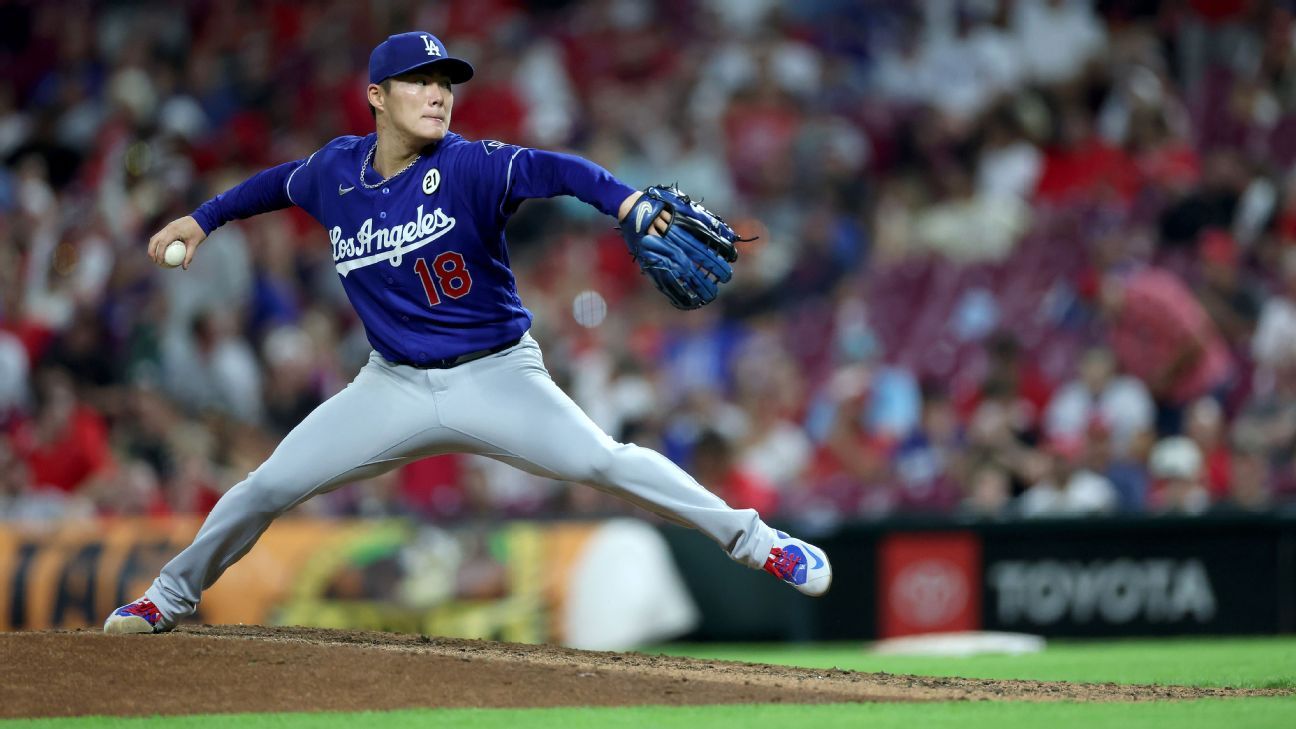
The 2026 playoff field is nearly locked, and the starting-pitching landscape tells a sharp story about which teams have built true October infrastructure and which are betting on volatility. The Los Angeles Dodgers have separated themselves by a margin ESPN noted as substantial: they can deploy four arms across a seven-game series that would rank among the best on five or six competing rosters. That's not an accident. It's a structural advantage that compounds across a playoff run because the best teams aren't just riding their ace—they're cycling elite, durable talent through matchups where inferior depth forces opponents into bad spot-start decisions or bullpen overuse.
Tarik Skubal's Detroit rotation, Yoshinobu Yamamoto's Los Angeles anchor, Blake Snell's control profile, and Tyler Glasnow's power arsenal represent the tier-one conversation. Behind that, teams like Milwaukee, with Jacob Misiorowski emerging as a legitimate October contributor, and Boston, which rebuilt from 10-17 into a playoff contender, are banking on either depth-by-volume or the emergence of younger arms who haven't faced the October pressure environment. The Red Sox resurrection is a good story—and a cautionary one for bettors. A team that was 10 games under .500 in mid-season doesn't have a rotation pedigree in October; they have hot pitching in a small sample. That's volatile inventory.
For prop bettors, this hierarchy matters because it shapes game scripts and bullpen deployment patterns. Teams with ace-dominant rotations (Dodgers, Tigers, Brewers) will see their best starters log deeper into games, which suppresses bullpen workload and raises strikeout totals for those front-line arms. Teams with thinner rotations—or arms that rose to playoff relevance through mid-season surge rather than sustained excellence—will cycle through their bench faster. A pitcher's strikeout rate isn't just individual talent; it's also the team's confidence in riding him deep. The Dodgers' rotation doesn't just out-ace their opponents; it changes the leverage calculus for who pitches the sixth and seventh innings.
Specifically: Yamamoto has logged 200+ innings this season with premium velocity retention in late-game spots. Snell's walk rate has tightened to 7.2% in his last 12 starts. Glasnow's fastball-to-slider ratio in high-leverage innings (2:1) creates strikeout clustering in the third and fourth frames where team leads are still fluid. The market has priced Dodgers World Series odds aggressively, but the rotation-depth premium hasn't fully transferred into individual strikeout props for their primary three. Yamamoto's K/9 line is likely under-adjusted for a postseason environment where he'll inherit a lead and pitch deeper than his regular-season usage pattern. Teams facing the Dodgers' second starter (Snell) in a series will be in deficit mode—trailing teams swing earlier, chase more, and drive strikeout totals north.
The converse edge: Boston's rotation, despite their surprise playoff push, doesn't have the pedigree to sustain seven-game series wear. Their primary arms will be heavily leveraged, which means they'll face deeper counts, higher pitch totals, and fatigue-induced command decline by Game 3 or Game 4. Take unders on Red Sox starter strikeout props if they advance past the wild card; they're pricing in regular-season velocity and command, not October depletion against disciplined lineups.