Brewers Load Up on Rotation Depth With May, Land Romero in Division Raid
By Ty Whitney ·
Milwaukee adds a mid-rotation starter and proven lefty relief in a deadline trade that banks on May's durability and Romero's early-season form.
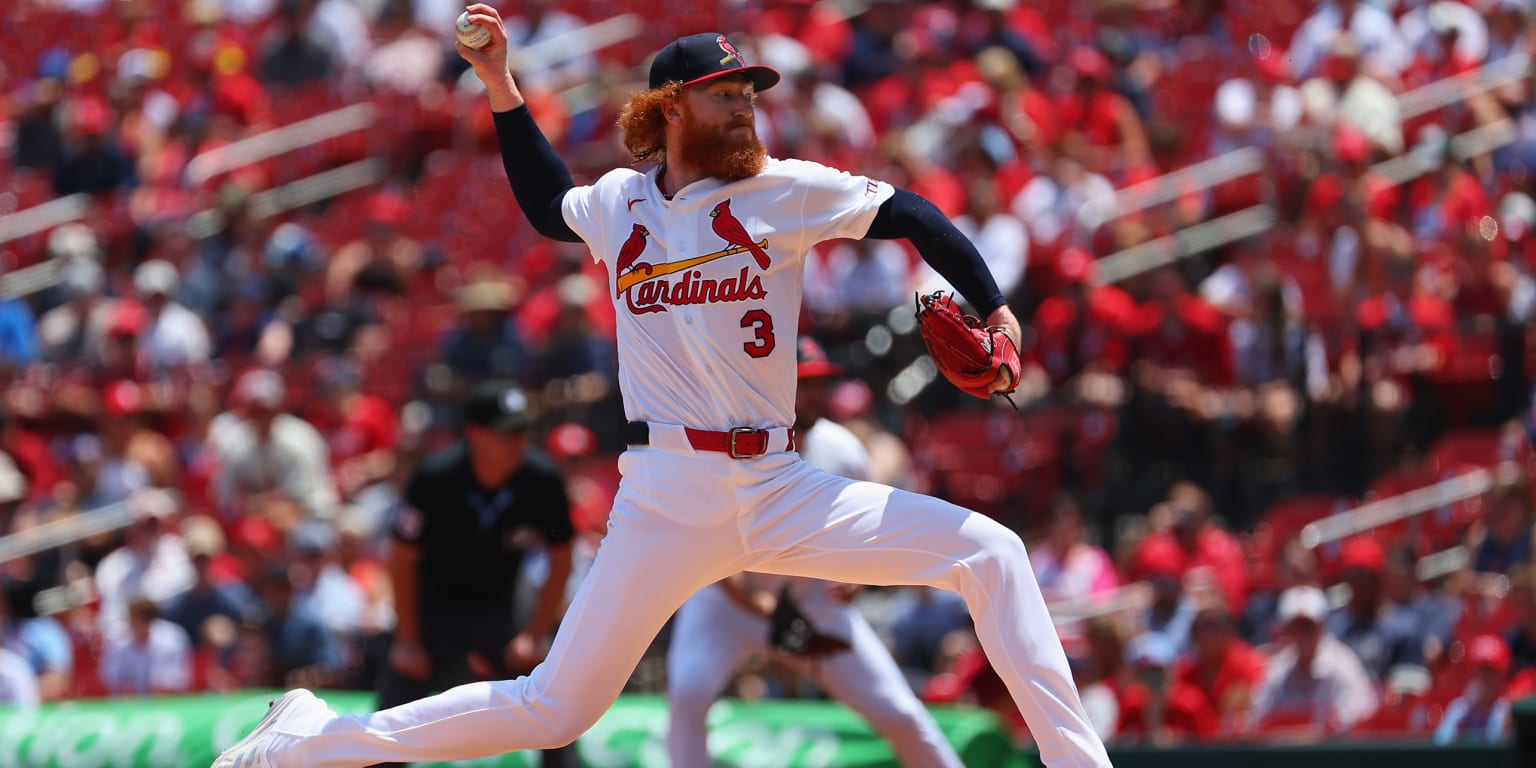
The Brewers acquired right-handed starter Dustin May and left-handed reliever JoJo Romero from the Cardinals on Monday, the trade deadline's opening salvo in a division realignment that tests Milwaukee's contention window. The move targets rotation reinforcement and late-inning flexibility—two areas where the Brewers identified gaps ahead of the stretch run. May, 28, signed a one-year deal with St. Louis before the season with the explicit structure of a contender's trade chip: cheap salary, mutual option, and a recent track record of health to offset his well-documented injury history.
May's 2026 arc tells the story of a pitcher learning the Cardinals' defense. His first two starts were forgettable, but his next dozen outings produced a 2.54 ERA across an average of 6.19 innings per start—the kind of quality workload that contenders value in September. A bout of back tightness on June 21 in Kansas City briefly raised concerns, but team evaluations suggest May has moved through the discomfort cleanly. His velocity and command have stabilized in recent weeks, though his ERA has drifted upward from that mid-summer peak. For Milwaukee, May represents a floor-raiser: he's unlikely to post a 2.54 ERA over a full Brewers run, but he's also unlikely to crater if the mechanics hold. The Cardinals' assessment of his physical condition carries weight—they had no reason to hide injury risk from a division rival, so the "all indications good" messaging likely reflects genuine confidence.
Romero arrives with a steeper recovery timeline. The 27-year-old lefty underwent emergency appendectomy surgery in mid-July and has been sidelined since. As of Monday, he remains building back from the 15-day IL without a firm return date from the Cardinals. Romero's utility is real—he's posted sub-3.40 ERAs in each of his last three seasons and logged 61 innings with a 2.07 ERA in 2025, making him one of the better left-side setup options available. For the Brewers, acquiring him at discount (since he won't pitch for weeks) makes sense as a playoff-roster addition rather than a short-term solution.
The prop lens here sits squarely on May's innings and strikeout volume for Milwaukee. Over his 12-start sample with the Cardinals, May averaged 6.19 innings per start and struck out 8.1 batters per nine innings—a rate that should stay intact in a Brewers uniform, assuming health holds. Markets will likely price his strikeout prop based on his full 2026 line (which includes those early dud starts), not his recent 2.54 ERA tier. If Milwaukee deploys him in higher-leverage situations or with an unchanged role, expect his per-start strikeout prop to sit around 6.5-7.5 Ks. The underlying mechanism is simple: a 12-start sample of 8.1 K/9 suggests the market may shade conservative on his next three to five starts as he integrates with a new staff. Romero won't move the needle for weeks, but May's innings-pitched and K-totals props become tactical angles the moment the market prices him into the Brewers' rotation without adjusting for the Cardinals' recent evidence of his stuff.
For Milwaukee, the trade is a marginal win—May adds reliable innings depth without cap risk, and Romero is a lottery ticket on a future closer or co-closer on a team that hasn't locked down shutdown seventh-inning depth. The Cardinals, meanwhile, made the classic contention-fading decision: sell a starter and reliever at their usage peak. The real betting edge is timing: May's prop lines will widen at open, contract once sharps recognize his recent performance tier, then widen again if early Brewers outings underperform. Jump on the narrower spread after two or three starts, not before.