NHL
Celebrini's Cover Honor Signals Sharks Confidence; Bjorck's Jets Move Reshapes Winnipeg's Center Depth
Three roster moves and one marketing milestone reveal how teams are positioning for the 2026-27 season—and where the betting markets may be mispricing emerging talent.
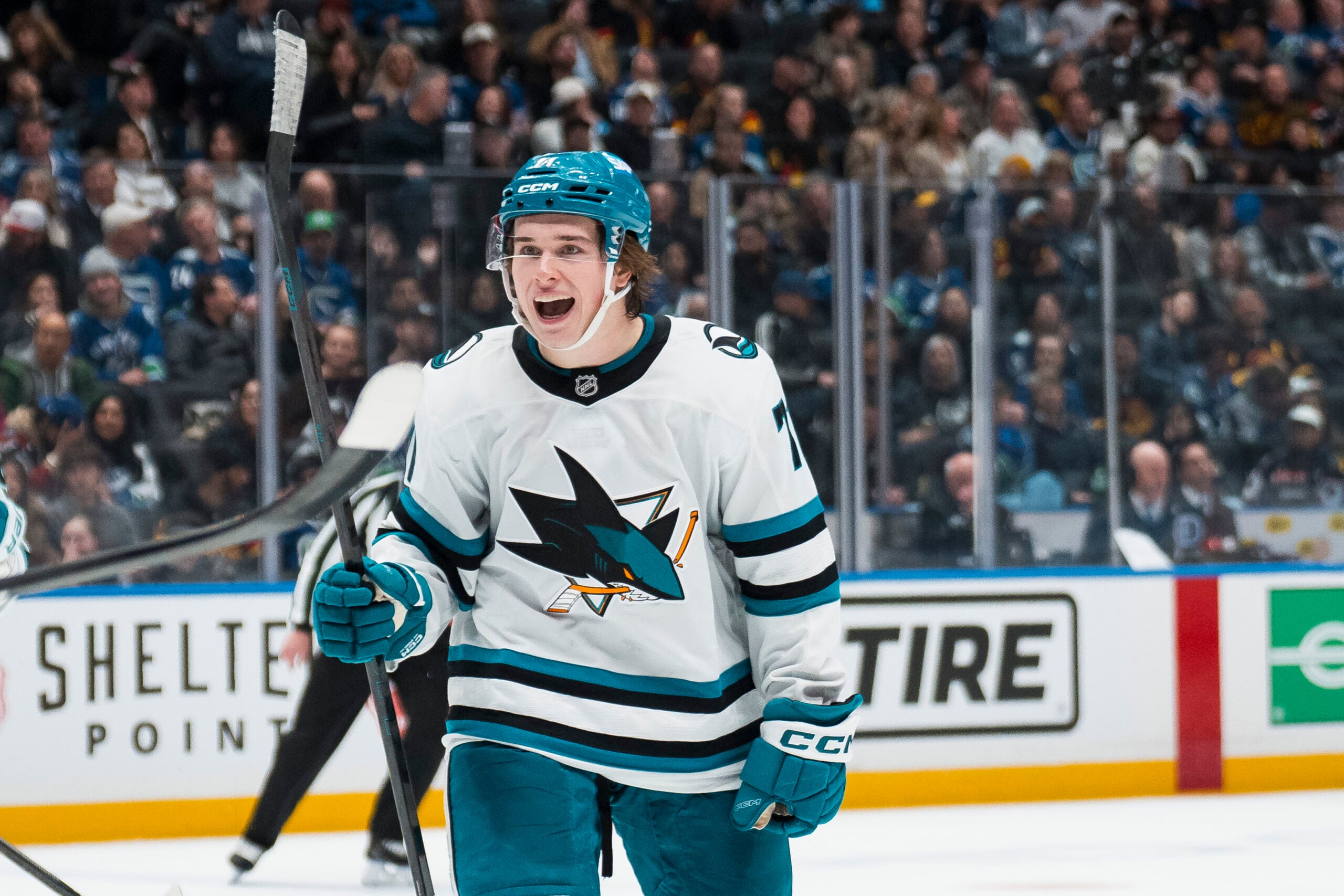
Macklin Celebrini is the cover athlete for NHL 27, a distinction that underscores his standing as the league's most marketable second-year player. At 20 years old, he becomes the youngest player to grace an EA Sports cover, edging Trevor Zegras's previous record by a year. The decision is rooted in substance: Celebrini posted 115 points as a sophomore in 2025-26, added 10 points in six games at the Olympics, and followed with 14 more at the 2026 World Championship. For the Sharks, the choice validates their faith in a player selected second overall in 2024 and now positioned as a franchise cornerstone.
Winnipeg's acquisition of Viggo Bjorck from Djurgardens signals a more urgent organizational need. The Jets selected the 18-year-old eighth overall in the 2026 draft and have now accelerated his path to North America, leaving the Swedish Hockey League immediately. Bjorck arrives at 5-foot-9 with a mature two-way game and offensive instincts that have scouts convinced he can fill Winnipeg's persistent void at second-line center. The team has rotated Vladislav Namestnikov, Jonathan Toews, and Adam Lowry through that role without finding a sustainable answer. Chris Johnston reported ongoing uncertainty around Connor Hellebuyck's trade status, suggesting the Jets are operating with lineup flexibility in mind as they build around their core. Bjorck's early arrival—rather than a typical draft-plus-one delay—signals that management believes he can compete for an NHL roster spot in the fall.
Ananaheim's cap situation, meanwhile, deteriorated sharply after matching Leo Carlsson's $18 million offer sheet. Frank Vatrano, once a reliable producer in duck orange, has become expendable. Through 50 games last season, he managed just nine points—a catastrophic decline from his previous two campaigns. His $4.57 million salary for the next two seasons now qualifies as a burden rather than an asset. The Ducks are exploring a trade or waiver option to create cap flexibility, and Vatrano's name sits atop the casualty list.
For bettors, these moves telegraph offensive direction clearly. Celebrini's breakout season and Olympic pedigree justify heavier investment in Sharks offensive props when matchups favor him—he has demonstrated ability to generate points against top competition and thrives in international stage settings. Bjorck's arrival in Winnipeg lowers the Jets' dependency on aging depth at center; if he earns consistent minutes, Winnipeg's team total projections may shift upward, though his first-season floor is higher variance than his ceiling. The market has likely not yet priced in a legitimate 18-year-old capable of 15+ minutes as a rookie forcing open second-line opportunities. Vatrano, however, becomes a fade. His production collapse is genuine—not a variance blip—and his reduced ice time and elevated trade risk introduce unpredictability into his individual prop lines. Any team acquiring him at deadline or in the off-season will inherit a proving-ground scenario, not a plug-and-play addition.