NHL · roster-move
Larkin's Return and the Captaincy Shuffle: What Lineup Changes Mean for Red Wings and Ducks Prop Value
Dylan Larkin rejoins Detroit practice after an upper-body injury; Anaheim's captain snub of Leo Carlsson signals internal friction that could reshape power-play usage and assist rates across both rosters.
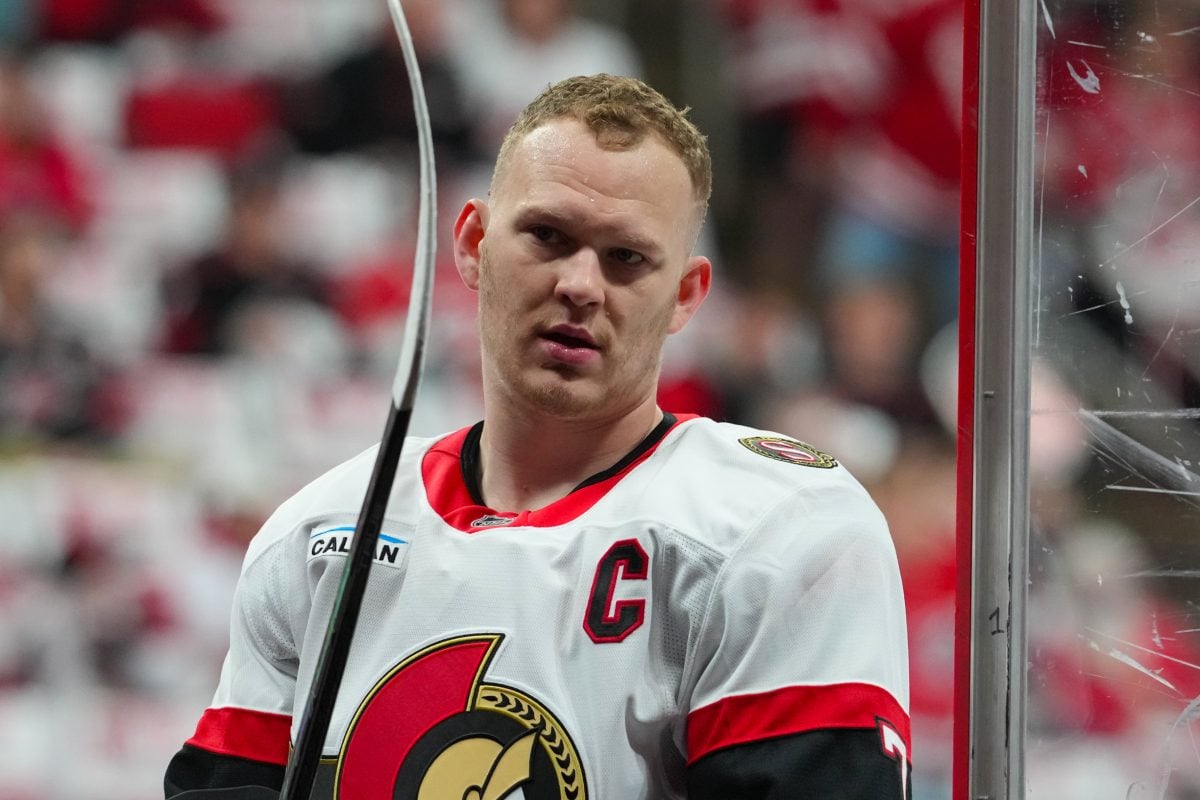
Dylan Larkin is back at Red Wings practice as of today after missing the opening stretch of training camp due to an upper-body injury sustained during an off-ice workout. There is no confirmed timeline for preseason availability, but his presence on the ice marks a significant step toward game readiness. His return carries weight beyond the injury itself: Larkin had requested a trade this offseason and was stripped of the captaincy, a double signal of organizational discord that Detroit has signaled may yet resolve with him remaining on the roster for the full season.
Meanwhile, in Anaheim, the Ducks have named Mikael Granlund captain instead of Leo Carlsson—a decision TSN's Bryan Hayes suggested was retaliatory after Carlsson signed an $18 million offer sheet with Philadelphia. Whether spite or merit, the choice raises a tactical question: captaincy often correlates with on-ice touches in critical situations, particularly late-game and power-play deployment. Granlund, now 35, brings veteran credibility but has not logged top-unit power-play minutes in recent seasons. Carlsson, the franchise's best young forward and natural trigger-point candidate, may see reduced offensive opportunity if the captaincy snub extends to deployment reductions during the Ducks' power plays.
For Detroit, Larkin's return to practice does not guarantee immediate preseason or regular-season participation. His injury is recent enough that a cautious ramp-up is standard. However, his presence in drills signals intent to compete for his role and usage when he does return. The trade request and captaincy removal created a vacuum in Detroit's leadership and point generation; if Larkin clears medical hurdles, his assist rates and shot volume could spike as he reasserts himself in the lineup. The Red Wings' power-play structure has likely been designed without him; his insertion changes net-front positioning and pass lanes for teammates.
From a prop perspective, Carlsson's reduced standing in Anaheim's hierarchy—whether intentional or not—directly impacts his assist and point ceilings. A captain typically receives favorable matchups and extended power-play runway; a snubbed young star often sees his touches throttled or shuffled to secondary units as a subtle organizational response. Over a full season, that translates to 0.3–0.6 fewer assists per game and a corresponding drop in points-per-game prop value. Bettors had priced Carlsson's line assuming continuity of deployment; if the Ducks intend to send a message, those lines overestimate his opportunity set. The edge exists only if the market hasn't yet fully adjusted for the captaincy signal—a likely scenario given that beat writers are still debating Hayes' spite theory rather than accepting it as fact.
Larkin's situation is more binary but longer-term: if he clears practice and gets full minutes, his assists rebound sharply as Detroit re-integrates its highest-volume playmaker. If he remains limited or traded before opening night, his per-game totals are a sucker bet. Current prop lines on Larkin likely assume either conservative ice time or departure; a full roster role in October would represent significant line value on his upper totals.