Tkachuk's Ottawa Exit Reshapes Locker Room Dynamics—And What It Means for Team Stability Props
By Justin Erickson ·
Brady Tkachuk's departure from Ottawa wasn't a sudden trade; it was the culmination of years of fractured trust, a disconnect that now raises questions about which other contenders are quietly fracturing from within.
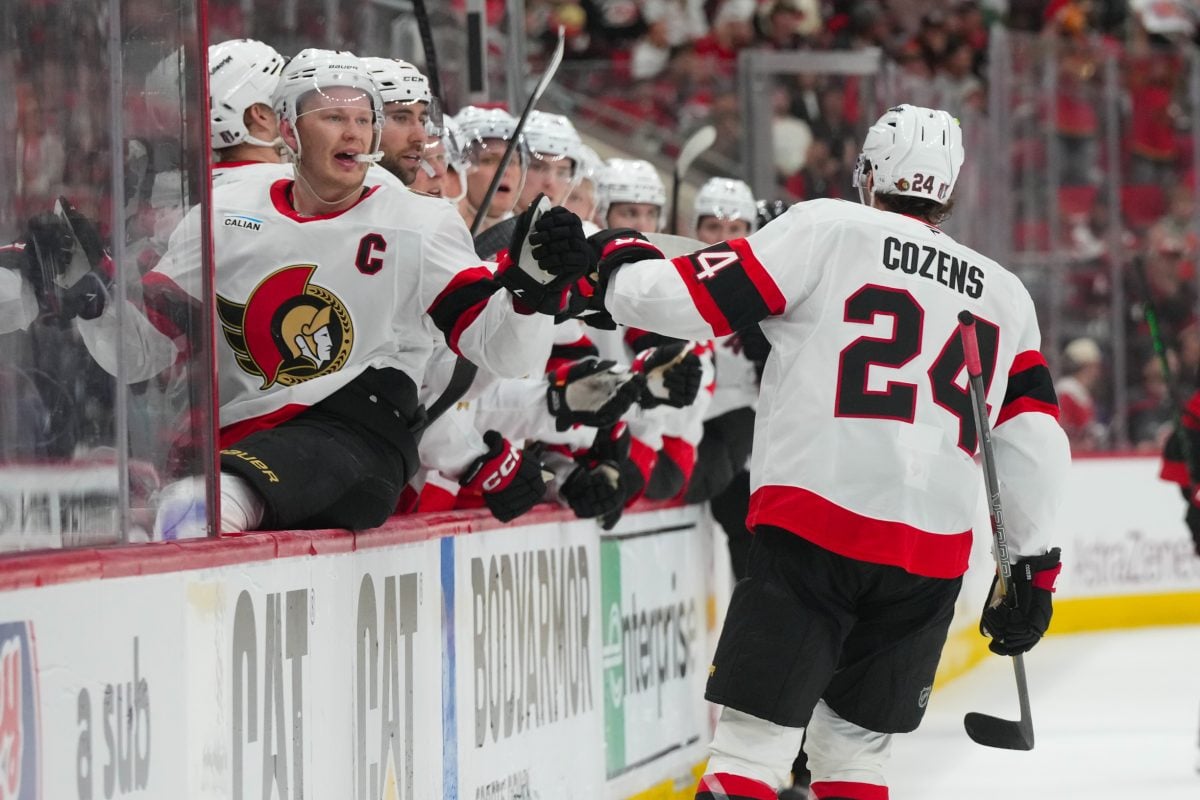
Brady Tkachuk's move to Florida reads differently once you trace it backward. The Senators didn't trade a malcontent in a fit of urgency; they extracted themselves from a situation that had been corroding the organization for years. According to reporting from Elliotte Friedman, tensions in Ottawa's dressing room had been festering long before the deal, with Tkachuk signaling to teammates—across multiple seasons—that he had no intention of re-signing. The fracture centered partly on hockey, but more fundamentally on culture. Tkachuk's growing off-ice profile, especially his "Wingmen" podcast with brother Matthew, created friction with teammates who questioned whether the captain was prioritizing personal brand over team commitment. During the grind of a post-Olympic stretch and a playoff run, that perception mattered.
What's crucial here is the timeline: Tkachuk didn't suddenly decide to leave. He spent years telling the room he was leaving, which means Ottawa's leadership faced a choice between holding a captain publicly checking out or moving him while his value remained intact. They moved him. That decision—while correct in isolation—also signals something broader: the Senators' front office couldn't repair a rift that ran deeper than contract terms or roster fit. For a franchise built on young, controllable talent, that's a warning flag.
Meanwhile, the Maple Leafs remain hunting for another marquee addition, despite already adding McKenna, Raddysh, and Bobrovsky. The team has managed cap space carefully and even reclaimed some draft capital, which means they're positioned to pivot if a star becomes available mid-season. That flexibility matters, but it also suggests Toronto's brass isn't confident their current core solves the team's fundamental gaps. The Leafs are currently over the cap; parking Max Domi on LTIR would free up breathing room. They're one mid-season injury or locker room temperature check away from having cash to deploy.
The Anaheim Ducks, facing an offer sheet on Leo Carlsson, moved aggressively to lock up Pavel Mintyukov to a five-year, $7.4M AAV deal before another offer sheet could target him—likely from Carolina, per reporting. The contract was slightly richer than Anaheim would have preferred, but it eliminated uncertainty and kept the team's control intact. For bettors tracking organizational stability and cap health, this matters: teams making panic extensions often overpay and then face long-term constraints that bleed into depth, usage patterns, and overall roster flexibility.
For prop players, the real angle here is organizational friction as a leading indicator of inconsistency. Tkachuk's departure from Ottawa wasn't about a single game or a hot streak—it was about a locker room that couldn't maintain cohesion over years. Teams with those kinds of internal cracks don't stabilize overnight. Watch Ottawa's goal-for metrics and power-play efficiency; when leadership trust erodes, it often shows up first in team shooting volume and secondary scoring consistency. Conversely, the Leafs' continued aggressiveness in the trade market suggests they're not confident in their current roster, which means volatility in their team total and spread outcomes is elevated until they land that next acquisition. For the Ducks, paying up for Mintyukov signals they expect their young core to drive the offense; lean toward overs on their forward group's assists over the next 12 months, as the team has signaled long-term investment in those players.