Flyers' Carlsson Rejection Reshapes Deadline Math—and Center-Ice Betting Angles
By Erik Schwartz ·
Philadelphia's failed offer sheet signals a pivot away from star acquisitions, leaving their scoring setup intact but under pressure to perform with existing talent.
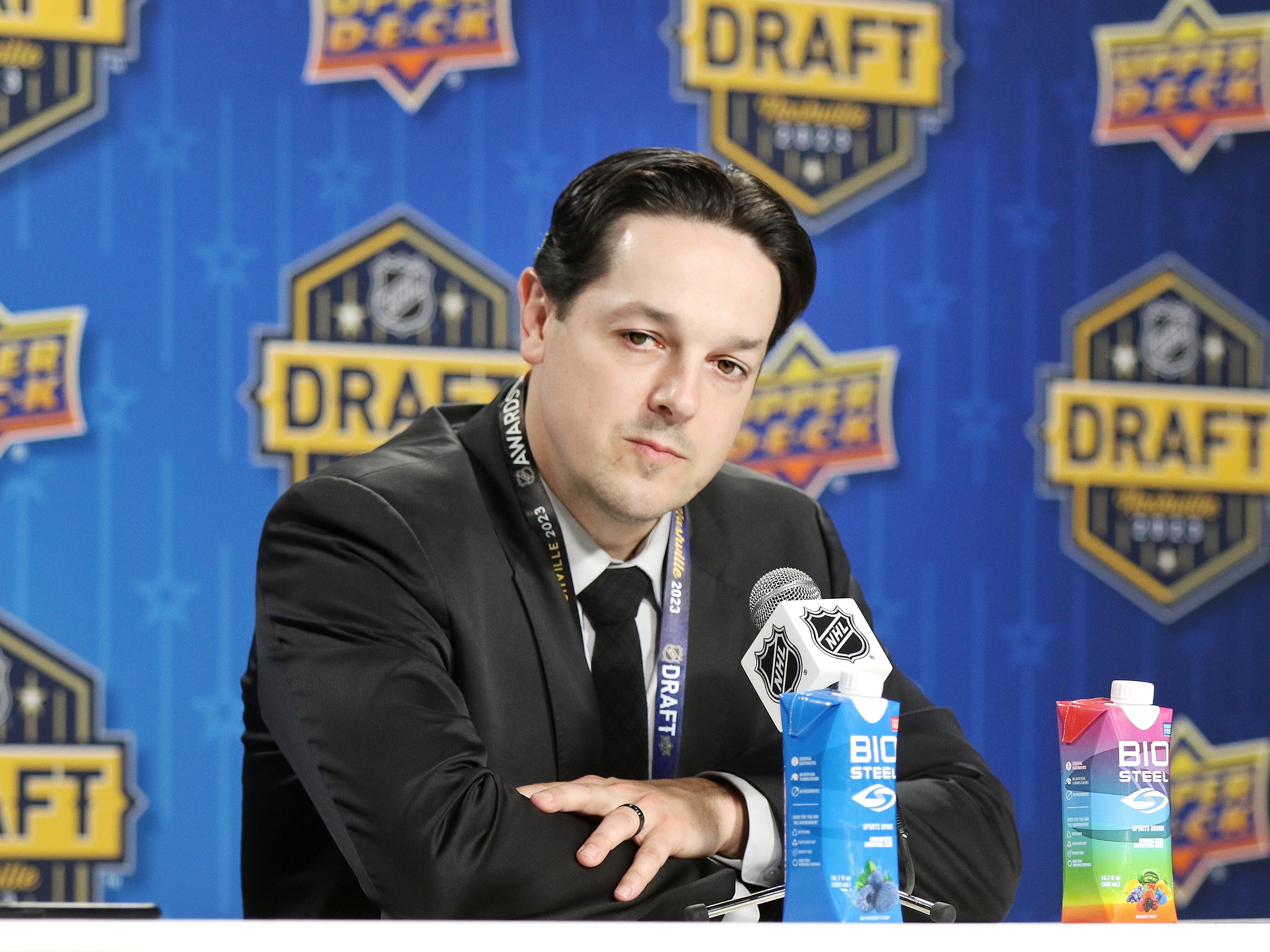
The Anaheim Ducks retained Leo Carlsson on Thursday, rejecting the Philadelphia Flyers' offer sheet and forcing a recalibration of the organization's summer strategy. General manager Pat Verbeek made his decision roughly 24 hours before the contractual deadline, signaling the Ducks' confidence in their young center and leaving Briere to scout alternatives with two months of the offseason remaining.
The Flyers' overture was ambitious—a bid to anchor their forward group with a young, productive center in the mold of Claude Giroux. But Anaheim's retention wasn't surprising. Carlsson, 22, produced at a 0.91 points-per-game pace last season and is the franchise's centerpiece rebuild asset. For the Ducks, matching an offer sheet preserves organizational control and continuity. For Philadelphia, the rejection closes off an immediate pathway to a generational talent infusion and forces them to work within their existing roster construction.
The second avenue—the trade market—presents far steeper complications. Dylan Larkin remains available from Detroit, but his no-move clause grants him unilateral veto power, and he's signaled reluctance toward Philadelphia's market profile. The math doesn't work: the Red Wings seek NHL-ready players in return; the Flyers would've surrendered only draft capital for Carlsson. Those competing valuations leave no common ground. Another offer-sheet campaign, targeting restricted free agents like Adam Fantilli, carries reputational risk and diminishing returns. The NHL's tolerance for serial offer sheets is rising, but deploying them serially signals organizational desperation rather than surgical precision.
The implication for Philadelphia's betting profile is meaningful. Without an external scoring upgrade, the Flyers lean heavier on their incumbent offensive engine—a group anchored by Travis Konecny, Joel Farabee, and Tyson Foerster. Over-unders on team goal totals will price in this static roster construction. Watch for their power-play touches to concentrate among existing units; if the second-unit PP leaned on Carlsson variants in preseason scouting, that offensive allocation now reverts to depth forwards. Season-long assist lines for core forwards should remain stable (no new passing lanes, no disruption to touch-count expectations), but any props tied to incremental scoring elevation—team totals bumped north of preseason projections, individual point-over lines priced as if a new star landed—carry embedded premium that the roster change didn't justify.
Conversely, bettors expecting a Konecny or Farabee breakout should remain cautious. Neither player's role expands materially without a trade-market addition. Their shot volume, ice time, and offensive touches were already maximized in their current depth context. The real edge is fade the narrative: resist overs on Flyers team totals or individual forward props if the market reprices them upward in the coming weeks on speculation of a late summer move. The Ducks' Thursday decision was final. Larkin isn't coming. The roster is locked.