NHL · transaction
Carlsson's $18M Anchor Reshapes Ducks' Depth Game; Larkin's Expanded List Still Stalled
Anaheim's decision to match the Flyers' historic offer sheet locks in a franchise centerpiece but compresses roster flexibility heading into a critical run of RFA signings.
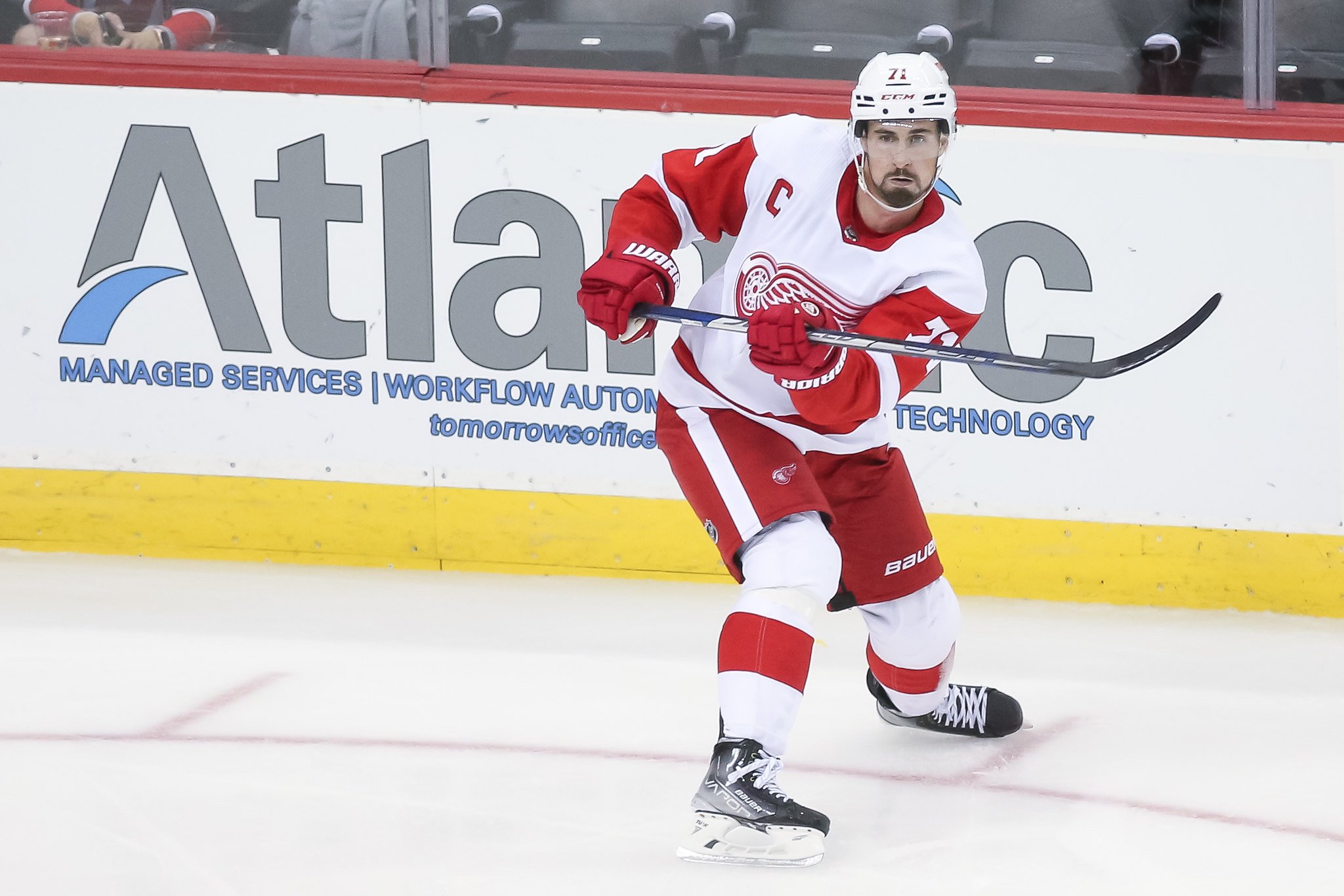
The Anaheim Ducks matched Philadelphia's five-year, $90 million offer sheet for Leo Carlsson on July 9, committing $18 million annually to the 21-year-old center and setting a new NHL record for average annual value. The move came without hesitation—management framed it as the easiest decision of the offseason—but it carries cascading consequences for a team already juggling multiple restricted free agent negotiations and a finite salary cap.
Carlsson's 67-point season last year justified the investment on pure production grounds; he's functionally a No. 1 center at an age when most franchises are still hunting for that anchor. The Ducks' alternative was to cede him to Philadelphia for four first-round picks, a haul that would dismantle the forward pipeline for years. By matching, Anaheim preserved continuity. But the arithmetic now tightens. Pavel Mintyukov is already signed. Cutter Gauthier and other RFAs still need deals over the next few weeks. General manager Pat Verbeek's claimed flexibility deserves skepticism—the salary burden of a record AAV leaves little margin for error if prospects demand more than expected or injury forces depth overspending.
Elsewhere, Detroit's Dylan Larkin added Dallas to his trade list, a gesture that hasn't materially shifted a stalled market. Dallas shut down early overtures for young forward Wyatt Johnston, whose combination of age, production (and critically, his team-friendly contract) makes him untouchable. Larkin's growing list—now Florida, Minnesota, Vegas, and Dallas—sounds like expanding options but actually signals desperation on both sides. Cap constraints across every listed team make three-way deals the only realistic exit, and those take weeks to engineer. The Red Wings bought optionality, not velocity.
From a betting lens, the Carlsson deal introduces durability risk to Ducks depth lines for the 2026-27 season. A franchise center now carrying an $18M nut typically generates 70-85 points; that production is baked into near-consensus projections. Where the edge emerges is in secondary scoring. Teams with compressed rosters and wage pressure often see depth forwards playing above their natural competition level in the preseason and early October, then regress sharply once cap and injury reality collide. Anaheim's remaining RFAs will sign for team-friendly terms or get moved. Either path reduces offensive depth. Lean unders on Ducks team totals if they settle in the 230-240 range for next season; the $18M anchor displaces scoring distribution across the roster, and the market has yet to price that structural constraint into season-long projections.