NHL · transaction
Bedard's Chicago Lock-In and the Ripple Effect on Cup Odds
Connor Bedard's extension signals the Blackhawks are serious about competing now, but the mechanism behind his signature—and Robertson's looming arbitration standoff—reshapes Dallas's cap flexibility and Chicago's leverage.
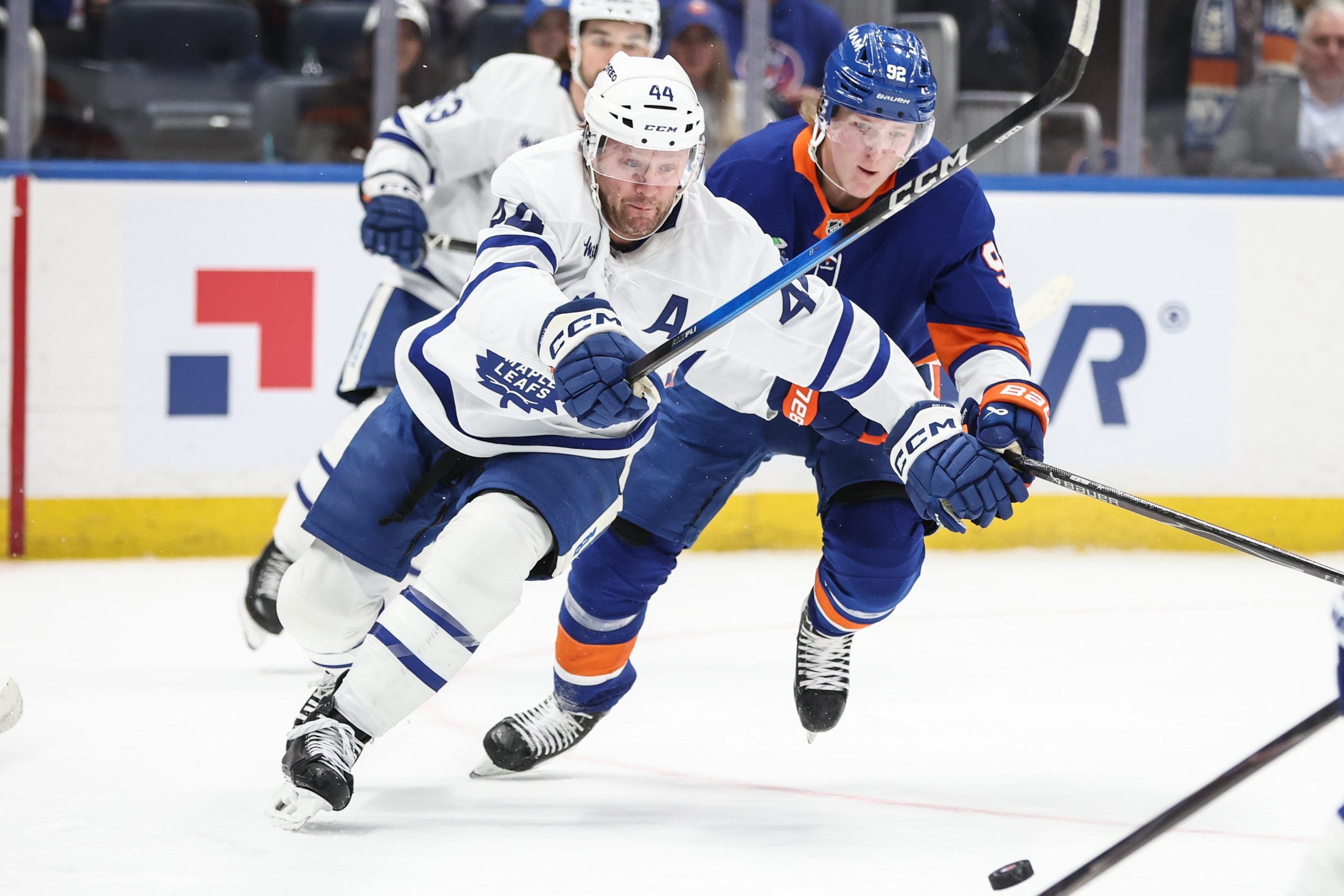
Connor Bedard has signed a five-year extension with the Chicago Blackhawks, and the architecture of that deal reveals how front offices weaponize relationship capital to move immovable objects. The Blackhawks didn't just sign their cornerstone forward; they acquired Bowen Byram, Bedard's longtime teammate, in the weeks before the extension finalized. Bedard's positive reaction to Byram's arrival reportedly accelerated contract talks that could have dragged through summer. Chicago's front office understood that Byram's value wasn't purely statistical—it was psychological and relational. That calculation paid off.
Meanwhile, Jason Robertson sits across from the Dallas Stars in a negotiation that has calcified into an arbitration standoff with a July 25 hearing five days away from today. Robertson watched Rasmus Carlsson and Bedard ink deals at the ceiling of comparable defenseman and franchise-forward contracts respectively, and he's holding firm on his ask. Dallas is attempting to thread a needle on cap space while Robertson refuses to budge. The two sides have not resolved contract talks, and if negotiations stall further—which appears likely given the precedent Robertson's peers have set—Dallas will face a choice: absorb the arbitration award, trade him, or let him walk into restricted free agency limbo. The Pittsburgh Penguins are reportedly monitoring the situation, a tell that at least one buyer believes Dallas's leverage is eroding.
This collision between Bedard's extension and Robertson's arbitration matters for team-total and spread modeling. Chicago's addition of a top-tier defenseman in Byram, paired with Bedard's long-term commitment, signals front office confidence in immediate competitive window. The Blackhawks are built to compete now, not in a rebuild trajectory. That shifts their win-total from a 2025-26 regression bet into a team that can sustain 95+ wins if the rest of the roster remains stable. Conversely, Dallas's cap hemorrhage—whether from Robertson's arbitration award or the dead money of a trade—constrains their ability to add at the trade deadline or sustain depth scoring. A team that can't afford its restricted-free-agent forward is a team operating at the margin of flexibility.
For betting purposes, Chicago's total and moneyline should tighten toward the market's over-assessment of the Blackhawks as a lottery-ticket redemption story. The Bedard lock-in and Byram pairing were designed to produce wins immediately, not hype. Dallas's total should drift lower as Robertson's arbitration clock ticks—if they absorb a $10M+ award for a winger already on the roster, their depth suffers, and secondary scoring falls into the hands of less reliable depth forwards. The mechanism is straightforward: cap constraint directly reduces lineup flexibility, which directly reduces shot generation and goal-scoring depth. Teams operating at the ceiling don't compete; they survive.