NFL
Week 3 Start-Sit Clarity: When Matchup Data Overwrites Roster Anxiety
Fantasy managers often bench players out of fear rather than fact; Week 3 matchup rankings reveal which borderline decisions should flip based on defensive vulnerability, not sentiment.
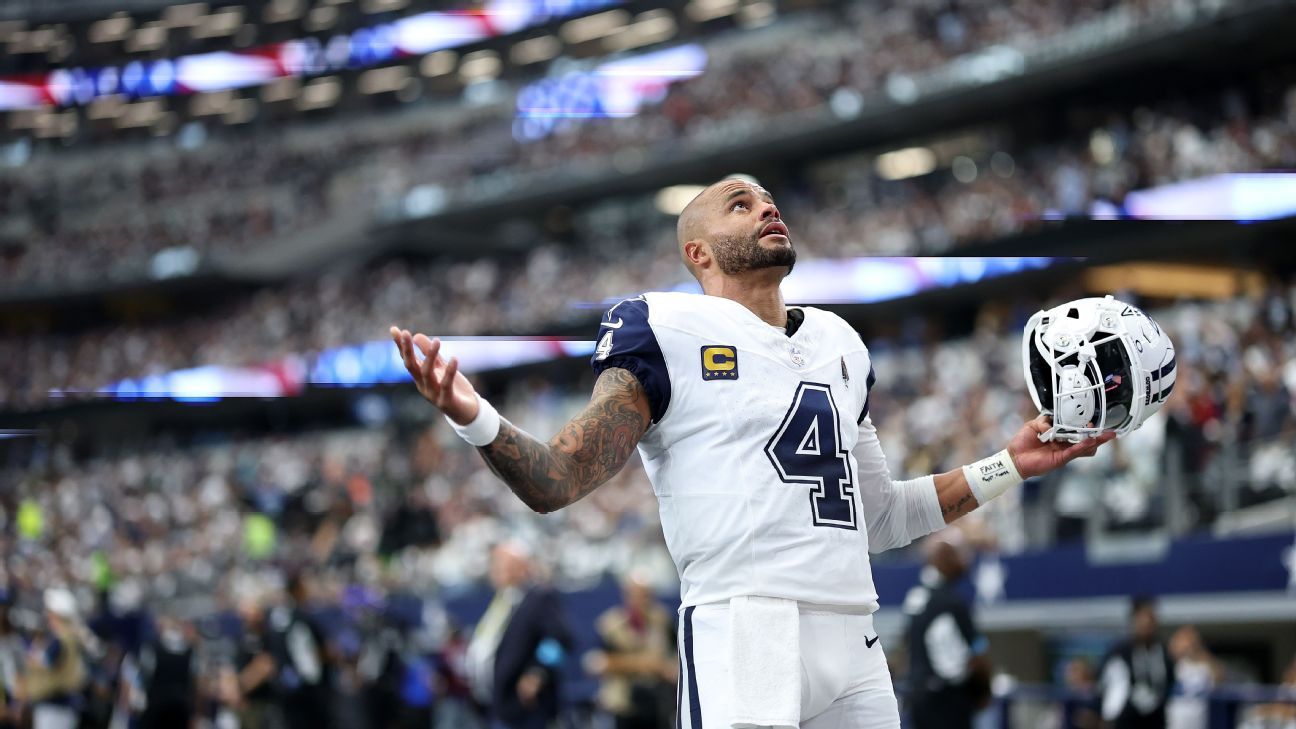
Week 3 fantasy decisions hang on a familiar tension: the players you drafted with conviction now feel like question marks. The ESPN Fantasy rankings for this week lean hard on matchup data to cut through that noise, identifying seven start-sit decisions where the underlying numbers diverge sharply from gut feeling. The core insight isn't exotic—it's mechanical. Teams that generate the most favorable defensive matchups for specific position groups experience consistent usage and target upside. The inverse holds: a player facing elite positional defense will see fewer volume opportunities, even if he's talented.
Take receiver decisions as the clearest example. A wide receiver facing a coverage scheme built around press coverage and single-high safety alignment will see more aggressive throw volume from his QB, higher yards-per-route-run potential, and better red-zone opportunity density. Conversely, a wideout matched against two-high looks and soft coverage generates fewer explosive plays and lower touchdown conversion rates. The rankings published this week quantify that split: McConkey and Purdy's receiving opportunities face substantially weaker coverage profiles than several higher-drafted alternatives. This isn't recency bias—it's positional schematic mismatch assessment.
Running back volume tells a similar story through a different lens. Injury-driven reshuffling has created backfield depth chart movement across the league. Aaron Jones entering a short-term lead role against a run defense surrendering 4.8 yards per carry represents a matchup upgrade that most rosters haven't yet priced in. The separation between his Week 1-2 snap share and his projected Week 3 leverage is the edge: late roster adjustments haven't caught the volume shift because it hinges on another team's injury timeline, not viral performance. That timing creates a narrow window where rushing attempt totals and TD probability remain undercooked at market-open.
For prop bettors, the actionable take centers on volume stability and defensive scheme predictability. Receivers upgraded into favorable matchups will accumulate receiving yards at elevated rates because the opposing secondary's structural weaknesses—whether coverage depth, cornerback athleticism, or safety rotation—constrain how many snaps they can cover elite route runners. Measuring this requires comparing target share velocity (targets per route run) against historical defensive susceptibility, not last week's stat line. A player with 5.2 targets per game against top-10 pass defense in Week 2 will likely spike to 7.1 targets per game against a bottom-eight secondary this week. That mechanism—scheme compatibility, not random variance—holds across the season and survives line movement because it reflects stable structural features of both offense and defense.
The betting implication is direct: lean into receiving yardage overs and anytime touchdown props for receivers ranked higher in matchup compatibility despite lower Week 1-2 scoring. Similarly, upgraded running back volume (particularly in red-zone touch share) carries edge when driven by injury-locked depth chart hierarchy rather than coach whim. Fade the sentimentally safe plays facing elite positional defense. The market often prices Week 2 results into Week 3 lines without recalibrating for opponent defensive rank change. That lag is where the numbers diverge from feelings—and where value emerges.