NFL · injury
Pierce's Heel Relapse Leaves Colts Thin at WR; Slayton Arrival Reshapes Target Distribution
The Colts are forced back to the injured reserve well, sidelining their highest-paid receiver for at least four weeks and forcing a mid-season reboot of passing routes.
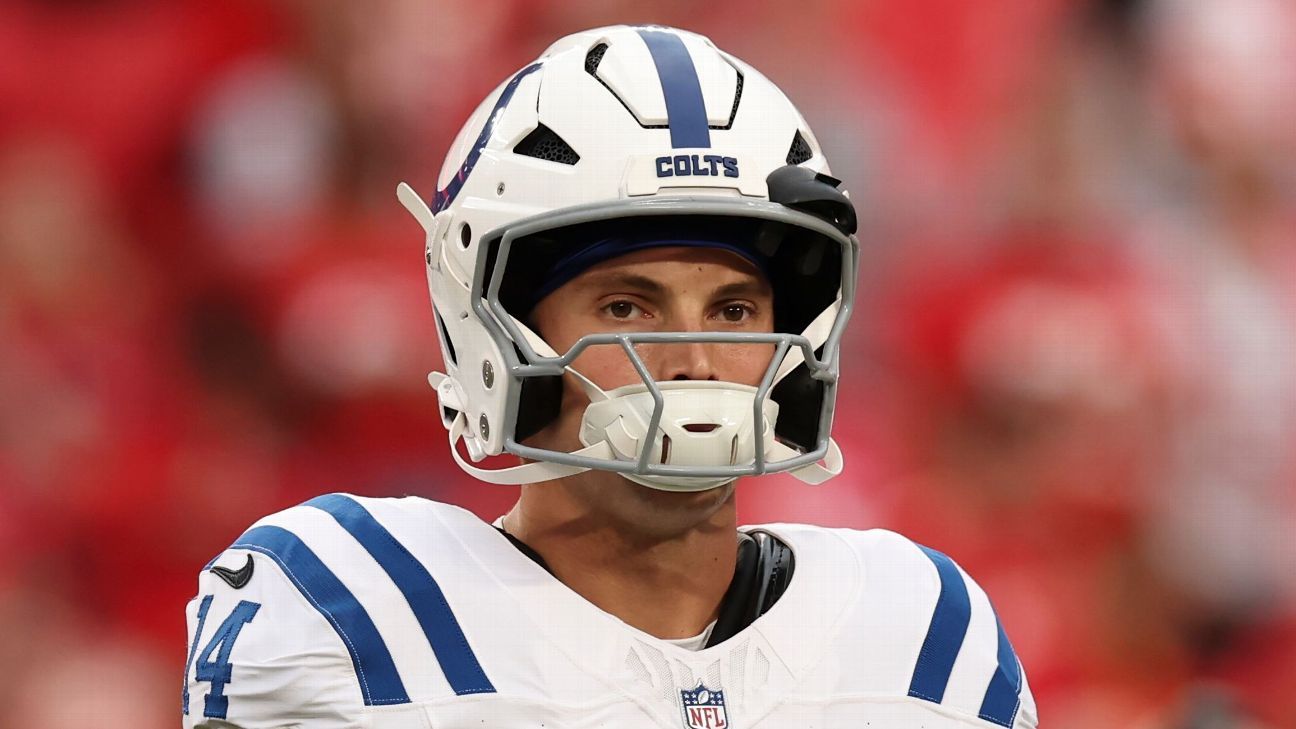
Indianapolis placed wide receiver Alec Pierce on injured reserve Wednesday, shelving him for a minimum of four games as he rehabs the same heel that required surgery in March. The injury—an aggravation of a previously repaired problem—represents a significant setback for a receiver who was supposed to anchor the Colts' receiving corps after signing a four-year, $114 million deal last spring. His recovery from the March procedure already stretched past expectations, costing him training camp and most of the preseason; this reversal signals either incomplete healing or a structural vulnerability that may not fully resolve without another surgical intervention.
The timing compounds the Colts' receiving depth crisis. Veteran backup Ashton Dulin is sidelined with an ankle injury, leaving the room depleted beyond Pierce's absence. To plug the gap, Indianapolis signed veteran Darius Slayton this week, with coach Shane Steichen keeping the door open for a Sunday debut against Houston. Slayton is a known commodity—a deep-ball target with a track record of production in vertical-spacing schemes—but he's a vertical specialist, not a slot or intermediate outlet. His skill set will influence route distribution and target sequencing, particularly for second-year QB Anthony Richardson, whose read progressions benefit from diverse receiving layers.
Richardson's throwing profile now tilts more heavily toward either tight end Mo Alie-Cox or a cycling cast of mid-level receivers. Slayton's vertical chops could elevate Richardson's passing yards on a per-attempt basis (deeper throws = higher EPA per completion), but the overall volume almost certainly contracts. With Pierce out four to six weeks and Dulin unavailable, the Colts' target pie shrinks. Running back Jonathan Taylor may absorb additional receiving work—checkdowns and underneath routes that previously went to a capable third receiver.
From a prop standpoint, this creates two countervailing angles. Richardson's passing yards are vulnerable to a downward revision: fewer receivers mean fewer deep progressions, tighter windows, and increased checkdown dependency. The line was likely set assuming Pierce would be active; oddsmakers now face a WR-group downgrade mid-season, and public money may not react immediately. Conversely, Taylor's receiving yards and receptions stand to increase during Pierce's absence. He's the only true receiving weapon left in the backfield if Slayton is primarily a vertical threat, and desperate offenses lean on their most reliable target when options shrink. Watch for his receiving line to climb as the book adjusts to the new depth chart.
Slayton's integration also matters for game-level totals. A vertical-oriented receiver paired with a young QB (Richardson is still in Year 2) often produces lower-efficiency passing games—fewer completions, more incompletions, more sacks in empty backfield looks. The total for Sunday's Houston game should come down at close, particularly if Slayton misses the game entirely or takes time to build chemistry. The Colts' Week 3 matchup is a sell-low spot; Houston's defense has shown strength in early weeks, and Indianapolis' passing attack just lost functional depth. Unders on the team total carry value if Slayton doesn't suit up.