NBA · milestone
LeBron's Free Agency Earthquake: What a Lakers Exit Means for 2026-27 Rosters
LeBron James has informed the Lakers he's leaving for his 24th season, upending championship odds and roster construction across the league.
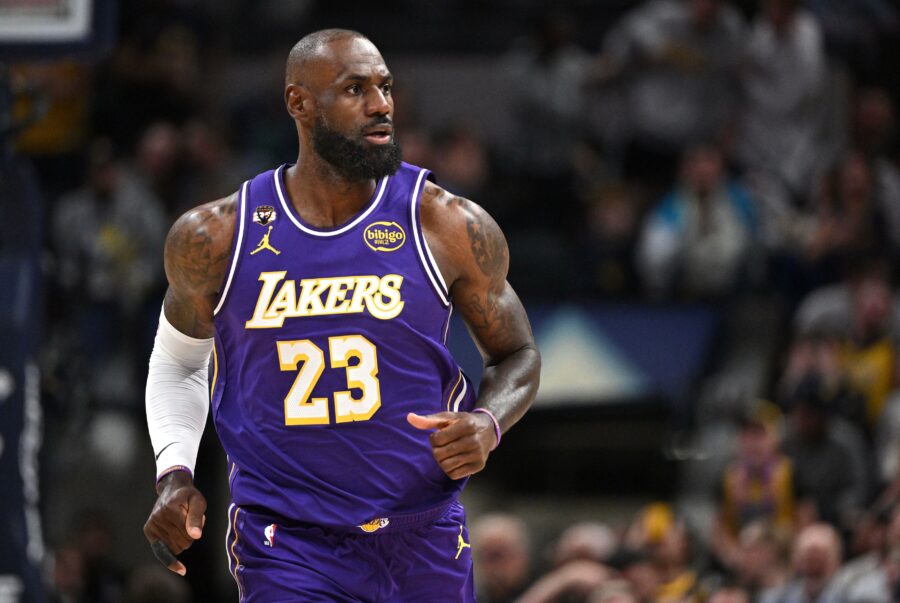
LeBron James told the Lakers on Monday he will not return for the 2026-27 season. Per ESPN, agent Rich Paul delivered the message that James intends to play elsewhere, effectively ending a tenure that began in 2018. The decision comes as James enters his 24th NBA season—a league record for longevity—and forces immediate retaliation on free-agent strategies, draft planning, and contention windows across the Association.
The timing is critical. James is now 41 years old and has maintained elite offensive efficiency even as his game has evolved toward a more playmaking-oriented role. His departure from Los Angeles eliminates the franchise's marquee player and defensive anchor heading into a summer where the Lakers were already facing salary-cap constraints and roster questions. The team will have to recalibrate around other pieces—likely accelerating a rebuild or pivoting to a youth-development model depending on ownership's appetite for a multi-year reset.
For the betting market, James's destination matters enormously. His arrival transforms a team's closing-minutes leverage, pick-and-roll mechanics, and perimeter spacing. Any franchise acquiring him instantly moves from underdog to contender in that year's title odds. The question isn't whether he elevates a roster—it's which roster gets the boost, and how sharply the market reprices teams in his orbit versus teams now without him. Lakers' win-total projections will collapse; whichever team signs James will see their total spike 4-6 games depending on their existing talent core. This is the rare free-agent domino that rewires multiple team totals simultaneously.
From a prop lens, the immediate angle is resource allocation and opportunity creation. James remains a high-volume playmaker (8.2 assists per game last season) and a reliable 20+ point scorer in closing minutes. Any team signing him gains an additional 2-3 assists per game across its offense through his gravity and decision-making alone. More important: his perimeter spacing and willingness to play off-ball in pick-and-roll creates cleaner passing lanes for secondary ball handlers. If he lands with a team that already features a volume scorer or ball-dominant guard, his role shrinks—but so does his partner's usage. If he lands with a team built around role players and floor spacing, his assist total spikes noticeably. The player prop edge lives in identifying the team first, then pricing James's assists and potential double-doubles at a new threshold. Markets haven't priced the destination yet; the moment it's official, those lines will recalibrate sharply.