NBA
Knicks Enter Finals as Historic Underdog—But Rest Advantage and Playoff Dominance Suggest Value in Their Favor
New York opened the postseason at +2200 to win the title; at +160 in the Finals, the market is pricing them as underdogs to a Spurs team that just survived a seven-game bloodbath.
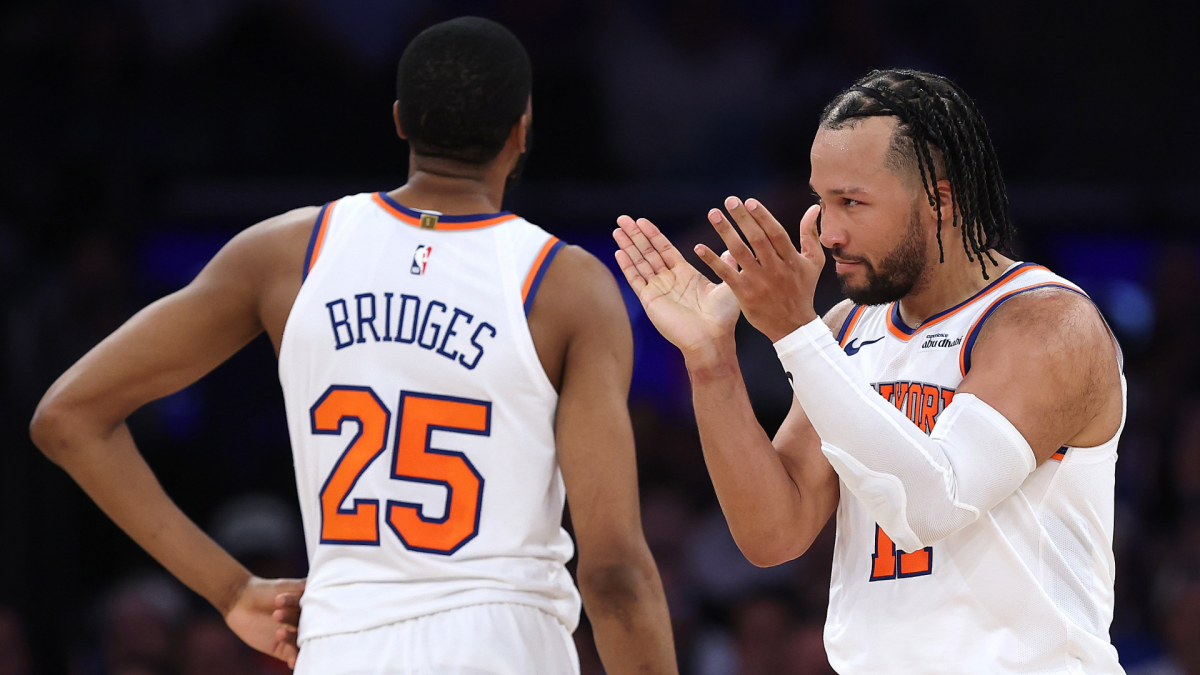
The Knicks arrive at Game 1 of the NBA Finals carrying the longest preseason odds to win a championship in at least 40 years. They were +2200 to hoist the Larry O'Brien trophy when the playoffs began—longer than any champion the league has seen in that span. Oddsmakers have tightened the number substantially (+160 vs. -190 for San Antonio), but the gap still implies the Spurs are commanding favorites. That pricing, however, glosses over what the Knicks have actually accomplished and the structural advantages they hold in this matchup.
New York's path to the Finals was supposed to be a sideshow. The Eastern Conference was weaker; everyone said so. Draymond Green's recent podcast rant exemplified the dismissal—"You're supposed to get out of the East." Yet the Knicks weren't favored to exit their own conference. The Celtics held that chalk heading in. The Cavaliers were next in line. New York then swept both of them, finished with a +271 point differential entering the Finals (the largest in playoff history), and has won 11 straight games dating back to their Game 3 loss to Atlanta. Their last two opponents—two teams that entered the postseason with legitimate title equity—were dismantled.
The structure of the Finals compounds the Knicks' edge. San Antonio just limped out of a seven-game series with OKC. By tipoff of Game 1, New York will have had eight days of rest following their conference finals clincher; the Spurs will have had significantly less runway to recover. Playoff wear accumulates—especially deep playoff wear. Leg-heavy games in high humidity. Back-to-backs. Foul trouble eating into bench rotations. The Spurs' depth was tested ruthlessly against OKC. The Knicks faced easier opposition but also faced it fresh.
From a prop-betting lens, this rest differential should translate most directly to Jalen Brunson's assist volume and efficiency. Over the last two rounds, Brunson has orchestrated the Knicks' pick-and-roll attack with precision against switching defenses (both Cleveland and Atlanta defend heavy switches). A Spurs team that has played 50+ more minutes than New York in the playoffs will struggle to maintain switching discipline. When Brunson gets favorable switches—which he should see more frequently against a fatigued Spurs roster—his assist rate climbs above 11 per game. The market has not fully adjusted for this rest advantage baked into a series where San Antonio is favored. Additionally, the Knicks' bench unit (which has been outscored in several previous matchups) figures to gain ground against a Spurs bench that will have spent more gas in the OKC series.