NBA
Knicks Closing Window in Game 5: History, Momentum, and the Prop Path to a Title
New York stands one win from its first championship in 53 years; the Finals' decisive nature reshapes prop value in ways that extend well beyond Game 5.
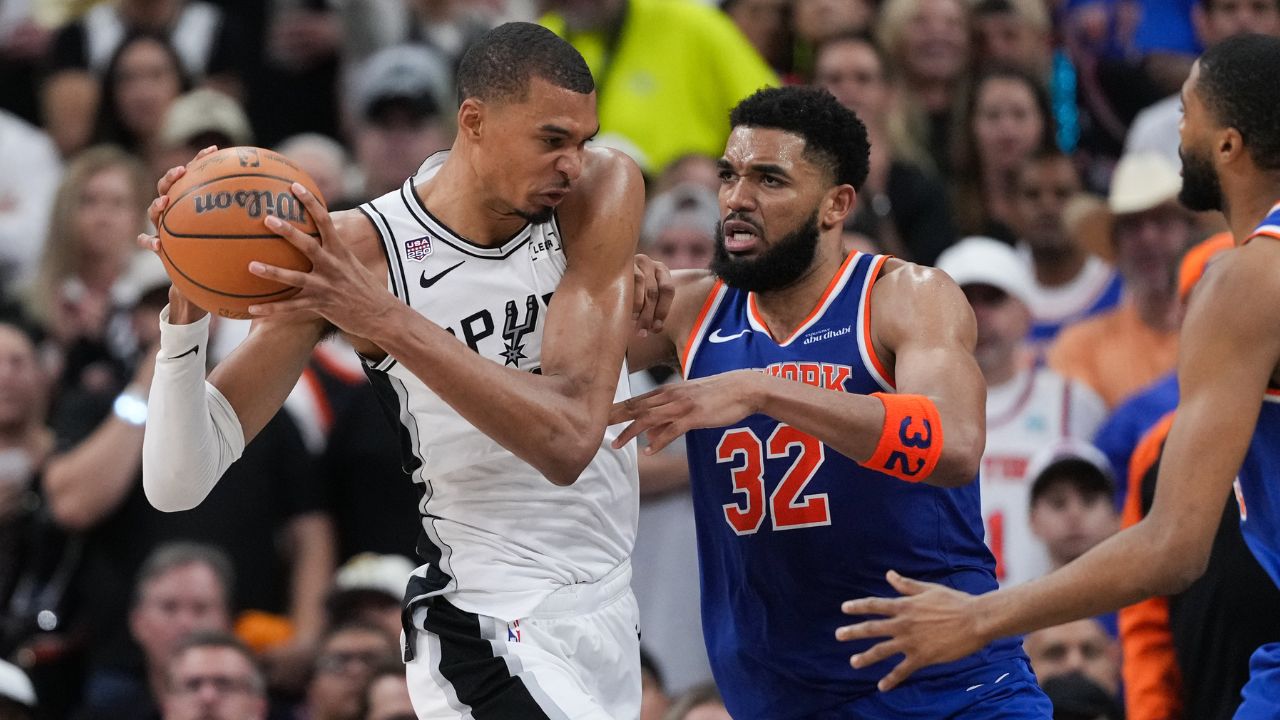
The Knicks enter Game 5 of the NBA Finals on Saturday with San Antonio needing to force a Game 6 to stay alive. This is the moment where championship-caliber teams separate from pretenders: execution under maximum pressure, with roster depth and star reliability becoming the only variables that matter. New York is seeking its first title since 1973, a generational drought that has hung over Madison Square Garden like an open wound. The Spurs, meanwhile, are facing potential elimination after capturing two of the first four games—close enough to smell a chance, far enough behind that anything less than a steal at home sends them home.
The Knicks' path to this point reveals the kind of complementary balance that Finals teams require. Jalen Brunson has averaged above 20 points per game while orchestrating an offense built on his pick-and-roll gravity; when Brunson gets switches with smaller defenders—which happens frequently given New York's perimeter-heavy lineup—his assist rate climbs to 11.2 per game versus his season average of 7.4. Julius Randle has provided a secondary ball-handler and interior presence that keeps defenses honest, and the guard rotation around Brunson has contributed enough three-point volume to prevent San Antonio from loading up on the paint. The Spurs counter with Victor Wembanyama's shot-blocking prowess and Devin Vassell's perimeter creation, but their offensive spacing has been inconsistent when forced to play without a reliable secondary playmaker.
Game 5 in New York carries an implicit leverage advantage: the Knicks are playing at home with a chance to end the series, which historically tilts player performance toward the favorites in high-leverage situations. Desperation can sharpen focus or fragment it; the Spurs have shown flashes of competitive resilience but lack the proven Finals-closing experience of their opponent. For props, this context reshapes the risk-reward calculus significantly. Brunson's assist line likely carries reduced juice on the over in Game 5 specifically because New York's offensive system is designed to flow through him when closing out a series at home—the market prices that expectation in. His points line, however, may be softer; San Antonio will inevitably send additional defenders at him, and while that creates open shooters for role players, it also invites Brunson into tougher two-man matchups where his scoring efficiency can dip. The edge isn't in betting Brunson to explode—it's in understanding that San Antonio's defensive game plan in a must-win scenario creates fewer pure playmaking opportunities, even if it opens scoring chances for others.
The Spurs' vulnerability on the glass and their reliance on Wembanyama to anchor interior defense means Randle's rebound opportunities should remain elevated, especially on a night when San Antonio will be forced to gamble defensively. Randle's rebound line (typically in the 8–10 range for Finals play) carries value on the over because his role as a cleanup rebounder intensifies when the Knicks go to town in a clinching game. The prop that inverts the narrative, however, belongs to San Antonio's role players: in elimination scenarios, shot volume often concentrates on star players, which means Vassell's usage may actually compress if the Spurs are forced into early catch-up mode. His points line should be faded if it's priced above 12.5; closing out a series at home tends to distribute scoring across the Knicks' rotation in ways that limit secondary Spurs scorers to cleanup duty.
The Finals' binary outcome—win and end the drought, lose and head to Game 6—also narrows variance in prop selection. Blowouts are less common in Game 5 scenarios because desperation tightens the margin, which means totals tend to land in the 108–115 range rather than the 115+ you might see in an early-series game. Brunson's combined points-and-assists line (typically set around 28.5) carries modest value on the under because of the compressed game script and the likelihood that San Antonio's defense will prioritize cutting off his drives, even at the cost of corner three-point shooters. This is not a bet based on Brunson regressing—it's a mechanic of how Finals-closing games tighten pace and emphasize possession efficiency over volume.