NBA · transaction
D'Angelo Russell's Memphis Exit Signals End of a Veteran's Contention Window
The Grizzlies and Russell are pursuing a split via buyout or trade, marking the formal end of a regressing star's fit in a rebuilding timeline.
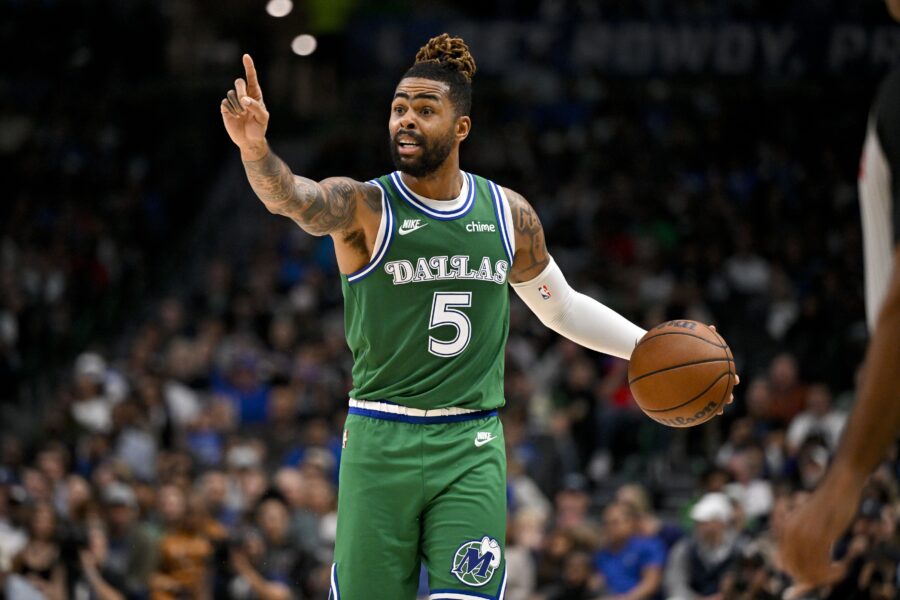
The Grizzlies and D'Angelo Russell have begun exploring a mutual separation—either through buyout or trade—as the franchise pivots toward youth and Russell's window to compete narrows, per reporting from Yahoo Sports. The move makes structural sense: Memphis is not a playoff team in its current window, and Russell's production trajectory over the past two seasons has declined sharply from his 2019-20 All-Star form. At 34 years old, Russell cannot afford to absorb a full rebuild cycle.
Russell's path to this moment is instructive. He posted a 19.1 PPG, 7.1 APG season in 2019-20 that earned All-Star selection, but injuries and offensive regression have compressed his scoring efficiency since then. Last season he averaged 11.3 PPG on 40.2% from the field—a 7-8 point per-game decline from his peak, with assist volume similarly eroded. Memphis drafted Ja Morant expecting him to anchor the future; Desmond Bane has emerged as a more reliable wing presence. Russell's salary—which is not insignificant for a bench-level contributor—becomes expiring leverage that either team can deploy at the deadline or for cap flexibility.
The market for a 34-year-old guard with below-average efficiency is thin. Contenders chasing a playoff push will look for proof that Russell can still operate in a pick-and-roll or provide secondary creation. Any interested team will demand either a buyout at a fraction of Russell's remaining contract or a trade where Memphis absorbs a negative asset or draft capital to move him. The buyout path is likelier: Russell's market value is low enough that even partial salary relief (50-70% of his contract) may get the deal done and allow him to sign with a contender for the veteran minimum.
From a prop perspective, Russell's destination matters more than his current team. If he lands with a credible playoff team—a franchise with pick-and-roll ball handlers or transition opportunities—his assist rate could tick upward from desperation and situational usage. His scoring floor remains predictable: around 8-12 PPG if deployed as a backup, though role variance is high depending on team construction. Any team signing him late in the offseason has little bargaining power to set playing time expectations, which creates volatility in game-to-game touches. The buyout timeline matters tactically—if the split closes before the preseason, Russell's new team will have minimal integration time, compressing his early-season baseline production and making overs on volume props risky until he's absorbed situational offense.
The betting market will price Russell's new team's ceiling conservatively until we know his destination and guaranteed minutes. Early scouting reports will focus on whether he's a backup or emergency starter in a contender's rotation. Any ankle or injury history from Memphis will surface in due diligence; teams don't absorb veteran guards without clean medicals. Once placed, Russell's assist line becomes the sharpest prop angle—pen-and-paper passing volume is system-dependent, and a roster with multiple ball-handlers (versus Memphis's current isolation-heavy construction) could yield a 0.5-1.0 APG bump that the market won't immediately adjust.