MLB
Yastrzemski's 10th-Inning Double Masks Braves' Deeper Vulnerability in Extra Innings
Mike Yastrzemski's walk-off hit against the Red Sox showcased Atlanta's ability to manufacture wins in tight spots, but the Braves' reliance on late-game heroics—and Tyler Kinley's recent control erosion—signals trouble in leveraged spots.
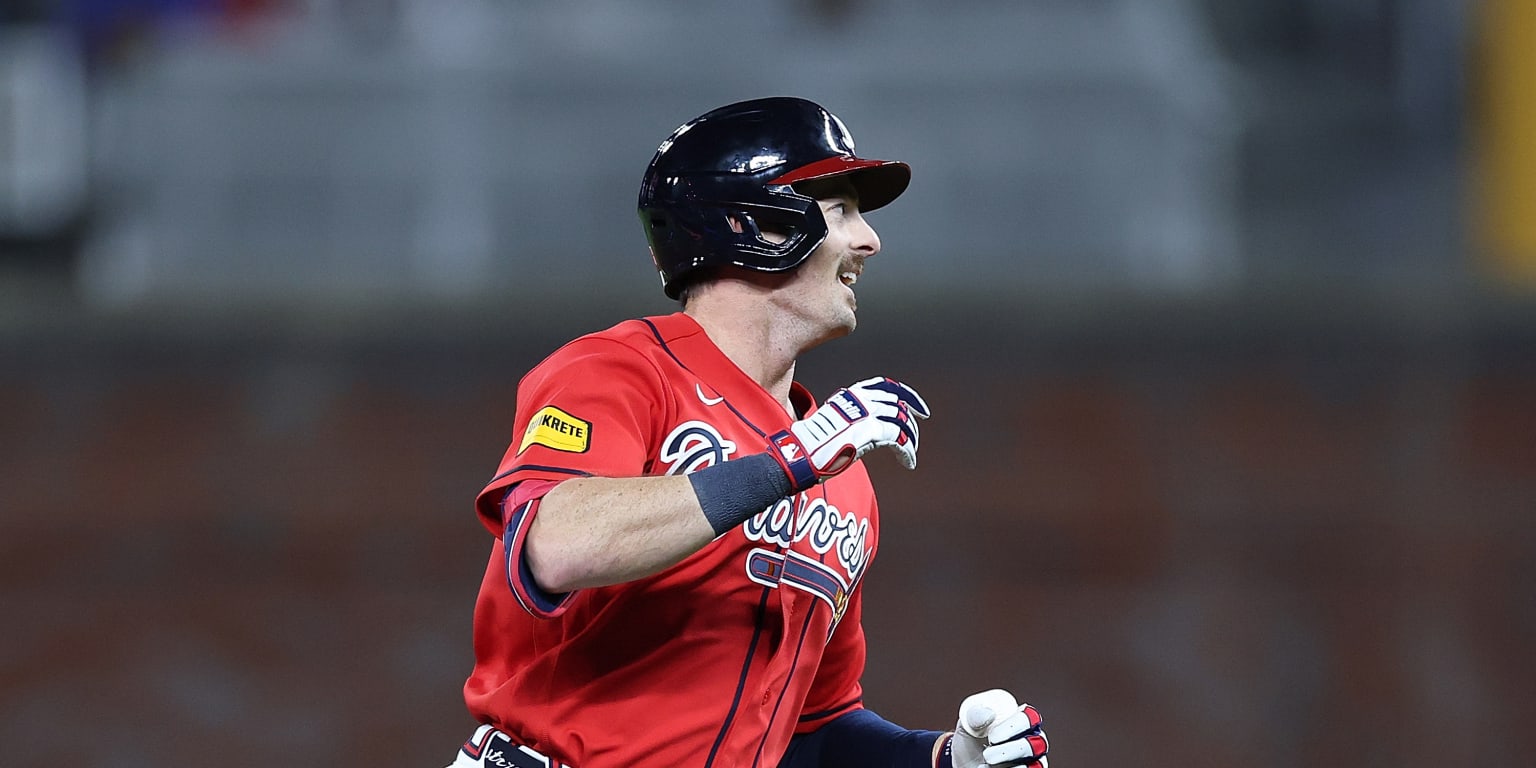
Mike Yastrzemski delivered a walk-off double in the 10th inning Friday night to lift the Braves past the Red Sox 3-2, capping an at-bat that began with two fouled sacrifice bunt attempts before he locked in and drove the ball to left-center. The sequence felt cinematic: a Boston native who grew up a Braves fan, squared around twice looking for small ball, then abandoned the script to deliver the knockout blow.
But the narrative that matters for Atlanta's bullpen is less romantic. Tyler Kinley, the closer Atlanta leans on in high-leverage spots, allowed a game-tying solo homer to Marcelo Mayer in the seventh—his fourth home run surrendered over his last 22 batters faced. That's not variance; that's a trend line. Kinley has transitioned from a shutdown option to a liability in close games, and the Braves' 31-14 record masks the fact that they're winning despite—not because of—their backend pitching. When your closer is surrendering contact at that rate in tight windows, you're one or two games away from the collapse showing up in the standings.
The win itself revealed another detail worth tracking: Yastrzemski entered Friday hitting .200 with a .516 OPS on the homestand before going 4-for-7 this week with clutch timing. He's a 35-year-old journeyman who has posted just a .422 OPS against left-handed pitching over 123 plate appearances dating back to 2025. He had no business being the decisive bat in a high-leverage spot. The Braves manufactured the win because Atlanta's offense—led by Drake Baldwin's continued demolition of left-handed pitching (six homers already this season against southpaws) and Michael Harris II chipping in another—kept the game within reach. But manufacturing wins requires your relievers to hold, and Kinley's recent pattern suggests that buffer is shrinking.
For bettors, the angle is specific: Atlanta's moneyline and run-line pricing assumes bullpen competence that the data no longer supports. The Braves are still playing baseball's best team-level defense and situational offense, but Kinley's home run rate (one every 5.5 batters in his last stretch) is unsustainable and will eventually cost them games the Yastrzemski heroics can't bail out. If you're looking at Braves game totals or spreads over the next week, the edges tilt toward unders and Red Sox-style plus-money plays until Kinley stabilizes or Atlanta makes a move. The walk-off masks a narrowing margin for error.
MLB Intelligence — Baseball intelligence beyond the box score. Open MLB Intelligence →