Acuña's Return Reignites Atlanta's Offense After Two-Month Absence
By Ty Whitney ·
Ronald Acuña Jr. homered in his third game back from a hamstring injury, catalyzing a five-run comeback that hints at the Braves' offensive ceiling once their franchise cornerstone regains timing.
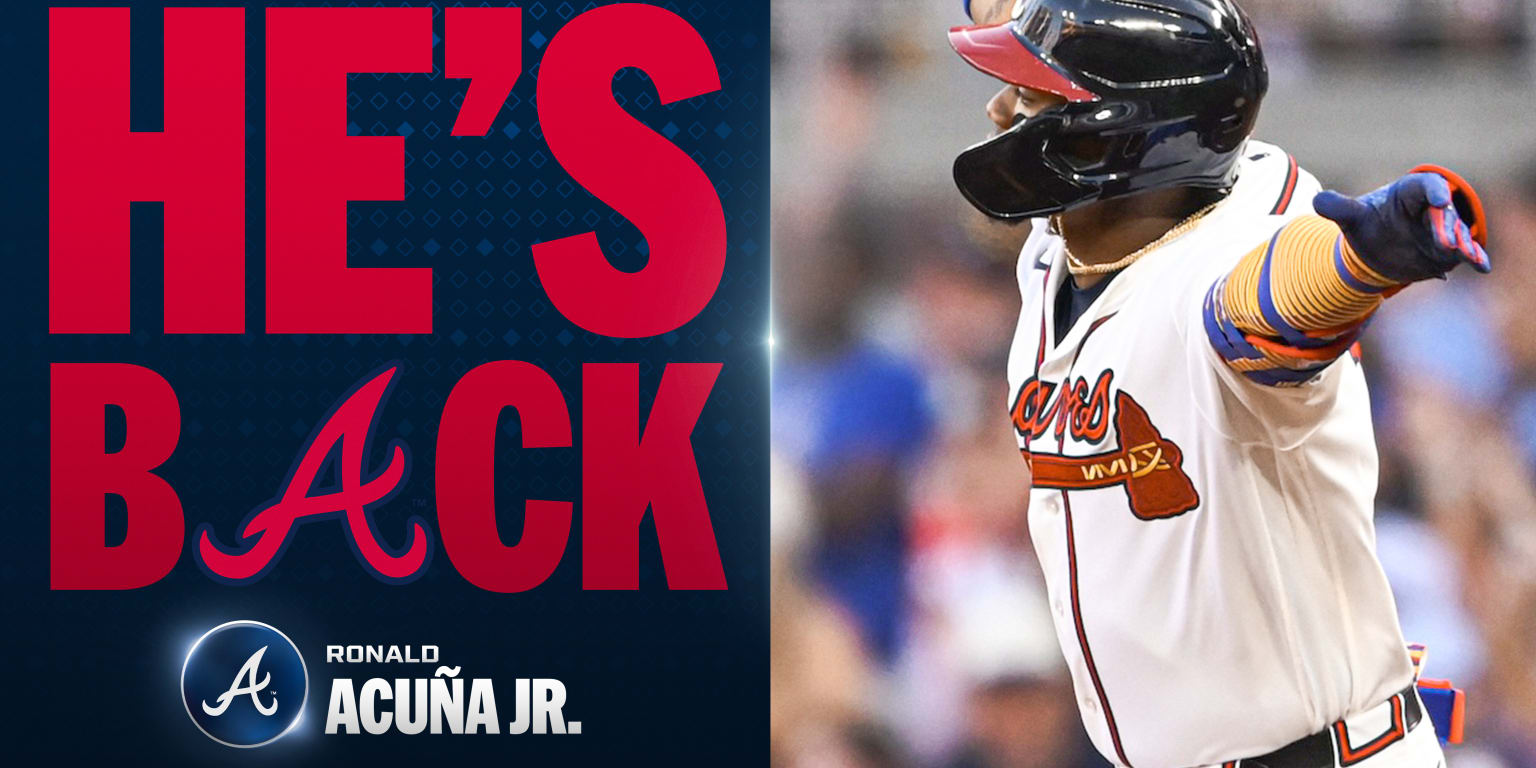
Ronald Acuña Jr. broke up a no-hitter in the fourth inning Thursday night and delivered the spark Atlanta's offense desperately needed. His solo shot off Nationals starter Jake Irvin—the eighth homer of his season and his first since May 31—ignited a five-unanswered-run sequence that lifted the Braves past Washington 5-4 at Truist Park. The timing mattered. When Acuña stepped in, the Braves had scored only 11 runs across their previous 47 innings, a stretch that underscored how crippling his 37-game absence with a left hamstring strain had been to the lineup's productivity.
Acuña's return on July 27 marked the first injection of legitimate top-tier talent into an offense that had been forced to operate without its engine. Three games into his comeback, the homer is less a sign of full recovery and more a signal that his timing and confidence are accelerating faster than a typical two-month absence would predict. The fact that he'd been held hitless through his first two games back makes this blast particularly telling—it suggests the adjustment period is compressing. Holmes, the Braves starter, wasn't the issue; he simply couldn't survive the early onslaught from Washington's lineup, surrendering three solo homers through 4⅔ innings. But once Acuña found the barrel, the Braves' offense uncorked. Yastrzemski added a two-run shot in the fifth, and Albies delivered a go-ahead two-run single in the sixth.
For betting purposes, this result carries both immediate and structural implications. In the short term, Acuña's rapid offensive adjustment—moving from hitless in two games to game-winning power in game three—suggests the Braves' team total will track upward as his workload and confidence expand. He's been cleared to play regular at-bats; the question now is whether his hamstring tolerates a full workload without reaggravation. The fact that he's already homering at Truist Park (his first at-home blast since April 24) indicates the ballpark dimensions and familiarity aren't mechanical impediments.
Longer-term, Acuña's presence reshuffles Atlanta's offensive hierarchy and lineup protection dynamics. Harris and Albies benefit from the attention Acuña commands; pitchers cannot pitch around him the way they could during his absence. His OBP and stolen-base potential—elite tier when healthy—will inflate both individual prop ceilings and team-total expectations. Watch the Braves' next three to five games against the Nationals and opponents that follow. If Acuña maintains above-average exit velocity and launch angle (early indicators look clean), Atlanta's team totals will begin pricing in a return to 4.0-4.5 per game rather than the depressed 3.5-3.7 range they occupied during his injury. The market will lag slightly behind his actual offensive output for another week or two, creating a narrow window to back Braves totals at prices that don't yet reflect a fully integrated Acuña.