Braves Add Thomas, Shore Up Right-Handed Outfield; Falter Joins as Salary Ballast
By PropBetEdge Editorial Team ·
Atlanta's deadline acquisition of Lane Thomas and Bailey Falter reshuffles the outfield alignment and opens new platoon angles for the stretch run.
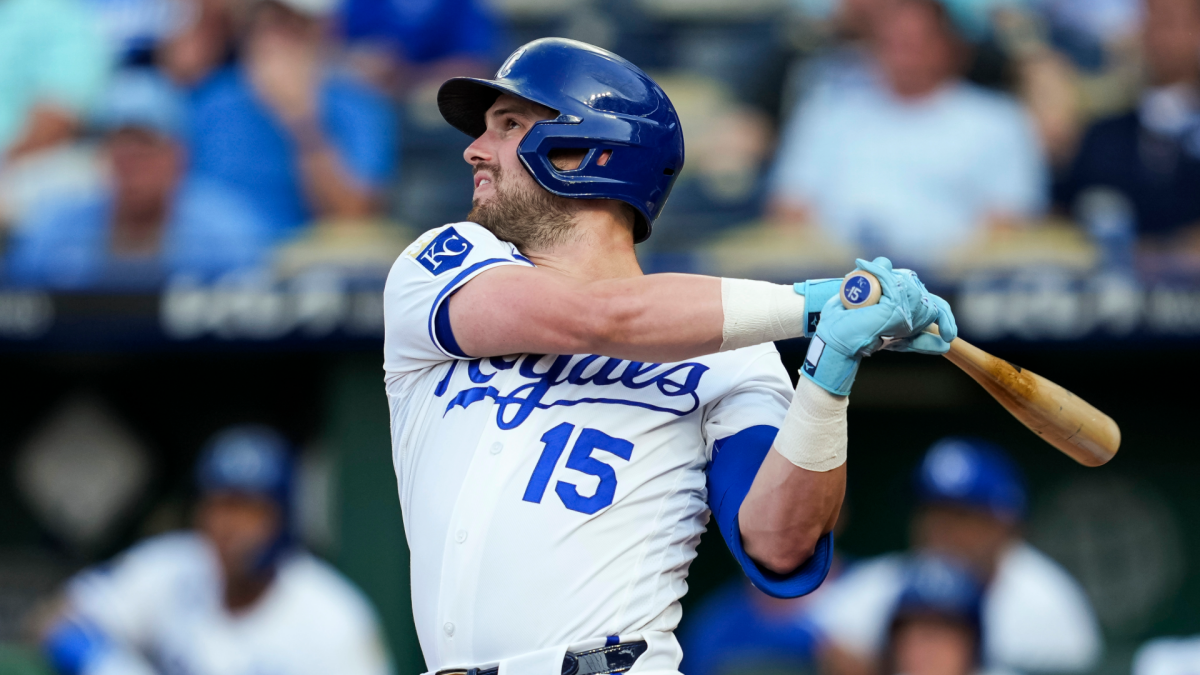
The Atlanta Braves completed a trade with the Kansas City Royals on late Saturday, acquiring outfielder Lane Thomas and left-handed pitcher Bailey Falter in exchange for minor-league pitchers Carter Holton and Lucas Braun. The deal arrived less than 48 hours before the August 3 trade deadline, signaling the Braves' urgency to bolster their National League East position ahead of a push for postseason positioning.
Thomas, 30, brings a 104 OPS+ this season—aligned with his career 103 mark—and a proven track record against left-handed pitching: a .850 career OPS in that split. His versatility across all three outfield positions addresses an organizational depth need, particularly with Ronald Acuña Jr. potentially migrating to DH to preserve health for October. The Braves' roster construction now tilts toward a right-handed heavy lineup with Thomas anchoring a platoon opportunity against southpaws. Mike Yastrzemski and Michael Harris II, both left-handed hitters, occupy the corners and center, creating natural rest days for each. Falter, a 29-year-old journeyman with mixed results in Kansas City (15 runs in 9⅔ innings before a June demotion to Triple-A), functions primarily as salary relief; his $3.6 million remaining obligation justified Atlanta's willingness to absorb him as a low-impact depth arm.
The trade mechanics reveal how Braves management engineered an outfield upgrade without depleting premium prospect capital. Mauricio Dubón's positional flexibility—allowing Atlanta to move him back to shortstop full-time—enabled the team to prioritize a right-handed bat over a defensive specialist at short. This reshuffling suggests Walt Weiss will construct a platoon model: Thomas against left-handed starters, Yastrzemski against righties, with regular starts for both when healthy matchups warrant.
From a prop-betting standpoint, Thomas's arrival introduces variance into Braves team totals and individual hitting props. His platoon role means his PA volume will fluctuate based on opponent handedness—critical for daily totals. Against left-handed pitchers, Thomas's .370 OBP in that split suggests elevated walk and OPS potential; his 82% extra-base taken rate (double the MLB average) signals aggressive baserunning value that will inflate runs scored and stolen base opportunities. The Braves' team total at spots north of 4.5 becomes vulnerable in games against righties (when Thomas sits), while south of 4.5 against southpaws may carry underside risk if the platoon construct produces higher offensive output than pre-deadline pricing assumed. Yastrzemski's corresponding benching in lefty matchups also dampens run production, complicating the math. Bettors holding pre-trade Braves team totals should monitor lineup announcements closely; the new depth distribution will shift expected runs per game depending on pitching handedness.
Kansas City, finishing last in the AL Central, surrendered meaningful offensive production for prospect lottery tickets and salary relief—a grade-C outcome for a team already out of contention. Thomas's market value exceeded expectation, and the Royals failed to extract premium compensation for a right-handed outfielder in a seller's market. The departure further erodes an already thin 2026 offense.