MLB · milestone
White Sox Biomechanics Overhaul Is Fueling Real Offensive Gains—Not a Mirage
Chicago's swing analysis transformation has pushed team bat speed up a full mile per hour and vaulted them from baseball's basement to AL Central contention.
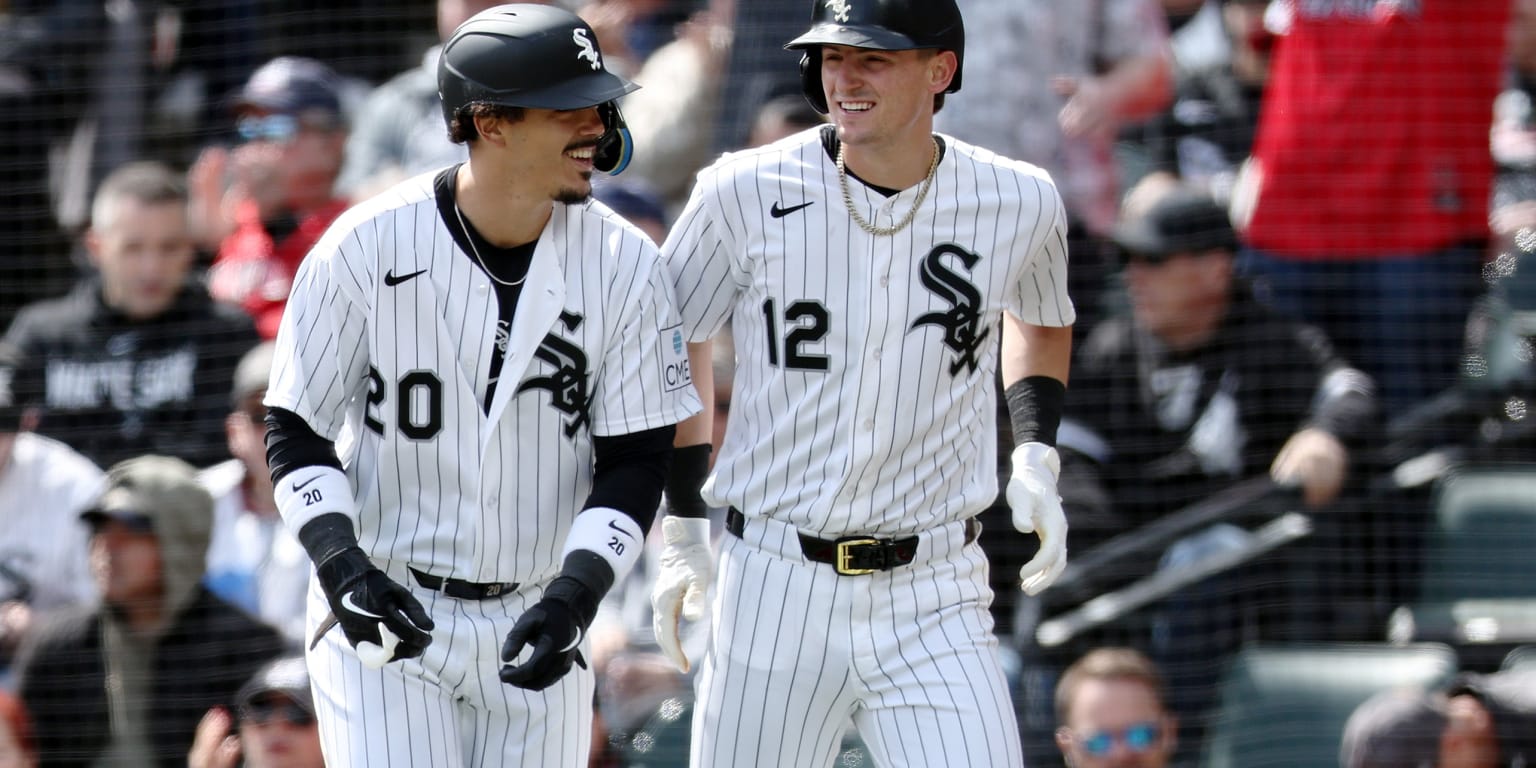
The White Sox have gone from 121 losses in 2024 to chasing first place in the AL Central as of late July 2026—a swing that defies the usual rebuild timeline. The machinery behind that surge isn't star free-agent acquisitions or a blockbuster trade haul. It's a hitting development philosophy built on biomechanical specificity, player autonomy, and a willingness to remake the organization's offensive profile without replacing the roster.
The clearest evidence sits in the aggregate data. Chicago ranked dead last in bat speed last season at 70.9 mph. This year, with a largely unchanged player pool, that number jumped to 71.8 mph—a full mile per hour improvement across the entire lineup. That's not noise. For a league where exit velocity correlates directly to hard-contact rate and home run production, a 1+ mph swing speed gain represents a structural shift in how hitters are generating force. Colson Montgomery, the organization's shortstop prospect-turned-cornerstone, exemplifies the mechanism at work. Over a 12-month stretch spanning the last year-plus, he's launched 45 home runs in roughly one full season of plate appearances (682 PA)—a pace few shortstops in modern history have sustained. The unlock wasn't raw power; Montgomery possessed that all along. It was translating that power into fly balls instead of ground balls. For his first three seasons with the organization, he hit more grounders than fly balls. Last year, the ratio flipped. Once that mechanical shift took root, the damage output followed.
Jacob Gonzalez's arc offers the clearest instructional case study. The White Sox's 2023 first-round pick (15th overall) had cratered through three minor league seasons, posting a .232 average and 87 wRC+ in his most recent Triple-A stint—a prospect headed toward the quiet release pile. During the offseason preparation window this year, hitting director Ryan Fuller sat him down with Hawk-Eye stick-figure biomechanical comparisons between Gonzalez's current swing and Brice Turang's pre- and post-breakout mechanics. The pitch wasn't "you need to change." It was: "You already have the tools. These specific adjustments unlock what's buried in your profile." The result: Gonzalez exploded for 19 home runs in 239 Triple-A appearances this season—more dingers in one campaign than in his first three pro seasons combined. His wRC+ doubled to 168. When called up to cover for an injured Munetaka Murakami (hamstring), he held his own at the big-league level. The White Sox subsequently flipped him to the Pirates earlier this month in exchange for a compensatory first-round draft pick, evidence that the organization had successfully rebuilt his organizational value through mechanics work alone.
From a wagering standpoint, the White Sox's offensive trajectory carries real implications for team total markets and lineup prop pricing going forward. The bat-speed gain isn't a one-month hot streak that regresses in August; it's a structural development change measured across an entire roster working from the same coaching framework. Montgomery and Gonzalez represent proof of concept, but the same philosophy has unlocked additional value in Miguel Vargas and other rotation pieces. That means the Sox offensive ceiling isn't capped by roster composition—it can still rise if more players internalize the biomechanical adjustments already in motion. Team wRC+ has climbed from 88 last season to 104 this year, and that's before some of the younger talent fully matures into the system. The market is pricing the White Sox based on historical context (they finished 102 games under .500 just last season) and recency bias. But the hitting development infrastructure is real, measurable, and reproducible across multiple prospect profiles.
The edge for contrarians isn't a fade—it's a recognition that the White Sox offense has more runway than the win-total and moneyline markets currently assign. Team totals that assume further regression or plateau in production may be underpriced, especially in matchups where Chicago faces below-average pitching staffs. The underlying mechanism—biomechanical profiling and individualized swing adjustments—is durable, not a single-month spike. That durability should extend into September and beyond, making overs on weekly team-total production a candidate for overweight allocation as August and September arrive.