White Sox Blow Past Phillies With Early Explosion; Gonzalez Reaches Milestone
By Ty Whitney ·
Chicago's four-run first inning and a pair of second-inning homers bury Philadelphia 6-3, with Jacob Gonzalez notching his first MLB home run in the rout.
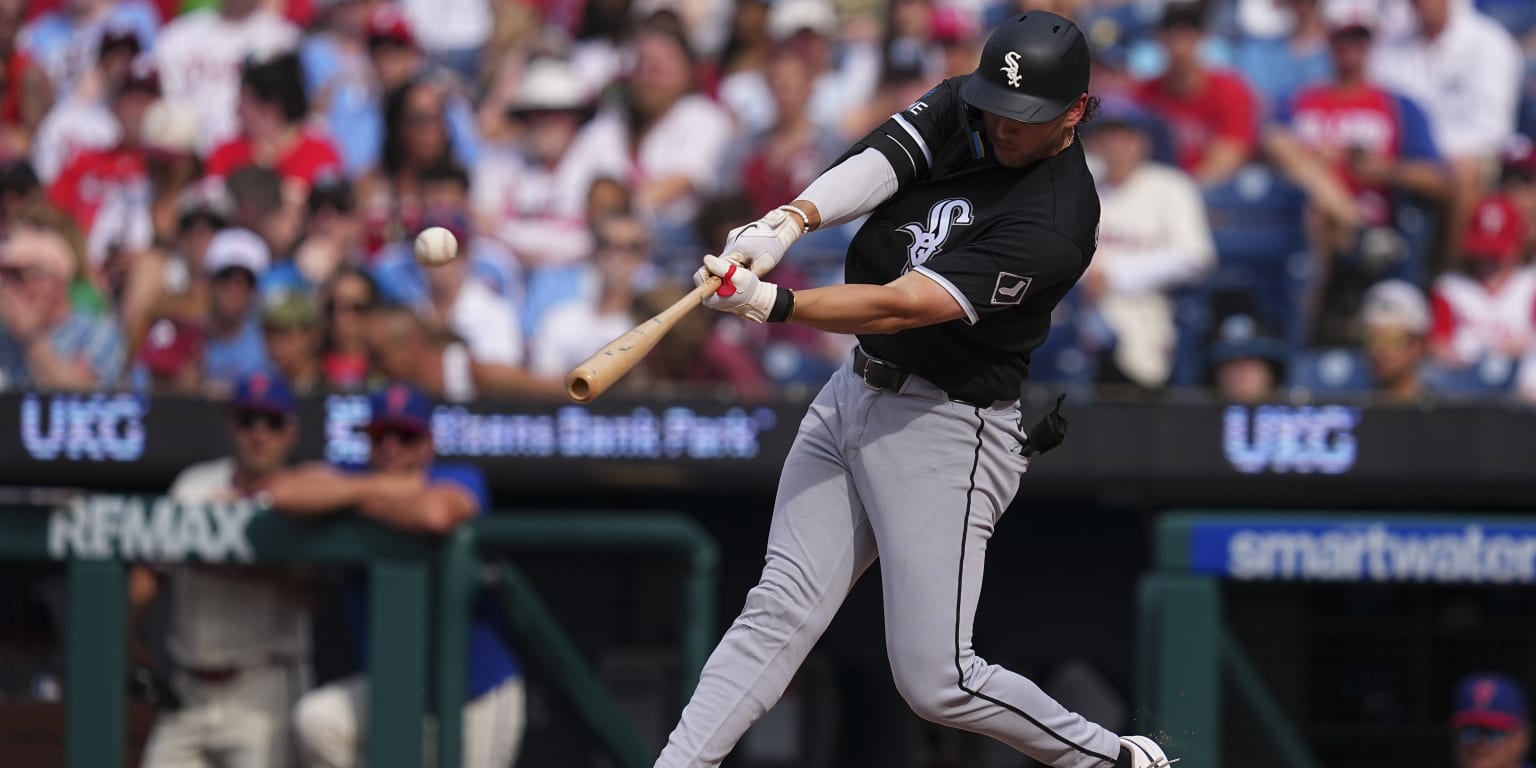
The White Sox dismantled Andrew Painter in the first inning Saturday night, scoring four runs before the Philadelphia right-hander recorded a single out at Citizens Bank Park. Painter threw 42 pitches in that frame alone—a carnage that set the tone for a 6-3 Chicago victory. Miguel Vargas and Andrew Benintendi scored on groundouts, while Tristan Peters' double pushed the fourth run across, and by the time Painter escaped the first, the damage was catastrophic.
Two innings later, the White Sox put the game out of reach. Colson Montgomery and Jacob Gonzalez each launched solo homers to extend the lead to 6-0. For Gonzalez, the blast marked his first Major League home run—a moment that breaks the ice on what projects to be a defining career metric. The Phillies mounted a late response when Brandon Marsh homered in the sixth and Adolis García drove in a run, but Chicago's early cushion held.
Sean Burke shouldered most of the pitching load for Chicago, allowing three runs across 4⅓ innings. Sean Newcomb closed out a Philadelphia threat in the sixth with a strikeout. The lopsided first inning is the real story here: Painter's inability to record an out while facing a disciplined White Sox approach created a leverage situation that ballparks rarely recover from.
From a betting lens, this game offers a narrow but instructive pattern. Painter's 42-pitch first inning wasn't an outlier—it reflects a broader vulnerability when he faces speed-oriented lineups that put pressure on early counts. The White Sox specifically attacked his fastball in the zone and made him pay for elevation. For his next start against a comparable approach (aggressive first-pitch hitters, speed game), Painter's line totals should price in extended pitch counts and early-inning outs. A strikeout prop under on Painter in his next appearance carries value if his opponent applies similar pressure; conversely, if the market hasn't adjusted his first-inning strikeout line downward after this outing, the over becomes a fade. Watch the books' reaction to Painter's next matchup closely—if the line hasn't moved materially within 24 hours, the public hasn't processed how vulnerable he becomes when hitters attack early.