White Sox Detonate 22-Run Barrage: When Outlier Games Matter (and When They Don't)
By PropBetEdge Editorial Team ·
Chicago's historic offensive explosion against Kansas City is a cautionary tale in sample-size betting—a one-night aberration that will likely trigger severe line overcorrection before fading away.
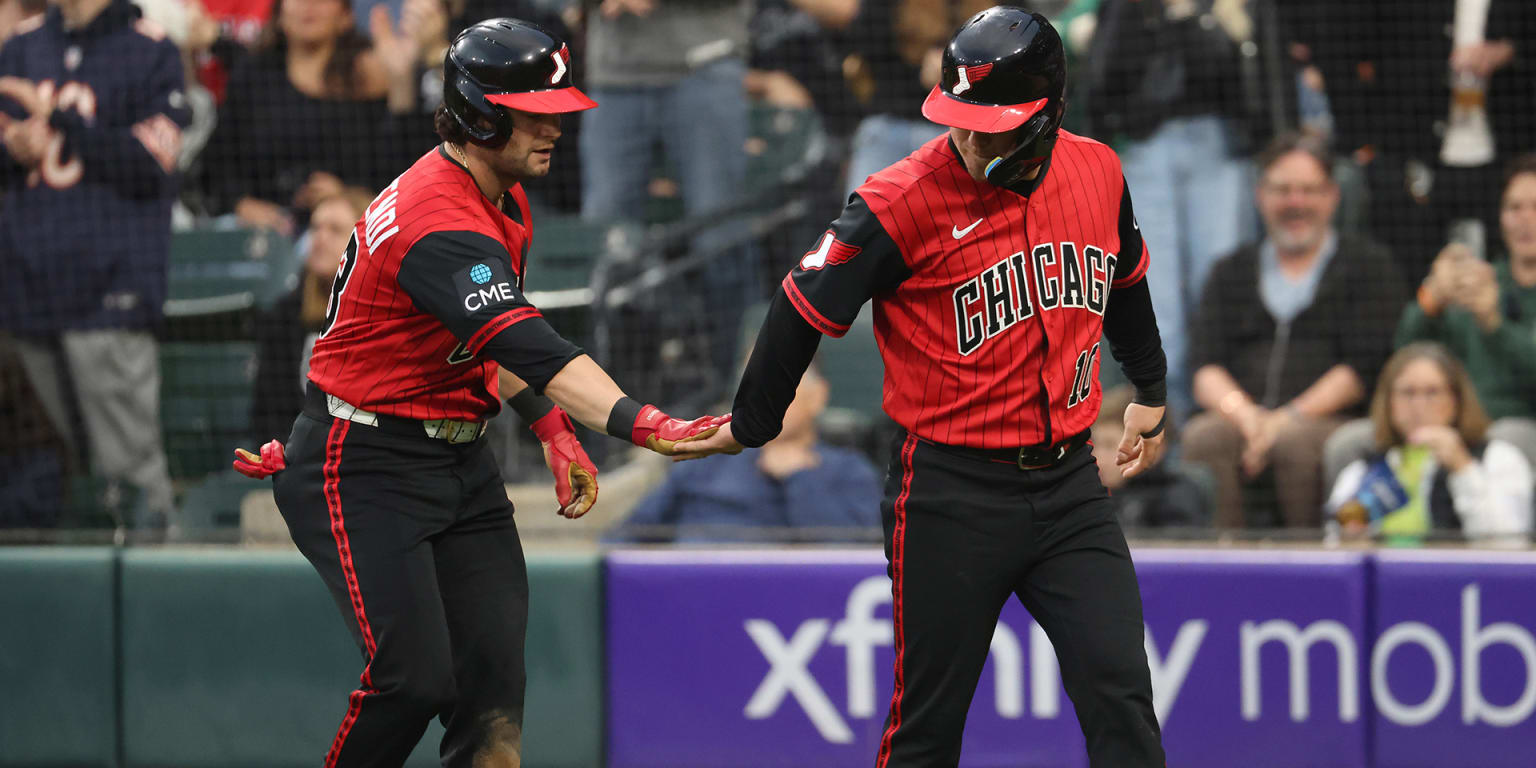
The White Sox dismantled the Royals 22-1 on Friday night at Guaranteed Rate Field, tying the second-highest run total in franchise history and establishing a new single-inning franchise record with 10 runs in the third. Miguel Vargas went 3-for-6 with five RBIs, Tristan Peters added a first-career grand slam and six RBIs, and Jacob Gonzalez collected three hits from the eighth spot. Kansas City's Mitch Spence's ERA ballooned to 21.21 after absorbing the brunt of the carnage in that third inning. The performance was genuinely historic—the 22-run output hadn't been matched since a 22-run game against Boston on May 31, 1970—but that historical weight is precisely why bettors need to calibrate expectations carefully.
The mechanics behind the explosion tell a familiar story: a pitcher in genuine distress (nine consecutive pitches out of the zone from Sandlin in the fourth), lower-order hitters (Gonzalez and Peters batting eighth and ninth, combining for five hits and 11 RBIs) finding barrels, and a team that was clearly dialed in on a particular opponent's approaches. Vargas' four RBIs came within a single inning; Peters' grand slam was the punctuation mark on a runaway game. These are the performances that move the needle dramatically in the moment but rarely represent a sustainable skill edge. The White Sox weren't superior to Kansas City across 162 games—they were superior on this one night, against this one pitcher, with favorable wind conditions and timing all colliding at once.
For prop betting, the immediate market reaction matters more than the game itself. Books will almost certainly widen team totals for the White Sox in their next contest and narrow them for the Royals' immediate rematch, reading this as a signal of offensive explosion rather than a statistical outlier. That overcorrection typically lasts 24-48 hours before sharps recalibrate. The White Sox's actual offensive profile—their true runs-per-game rate, their team wOBA, their performance against league-average pitching—hasn't changed because of one blowout. What has changed is perception. If you believe the market will price the White Sox as a dramatically better offensive team for their next series, and you also believe their true performance has not actually shifted meaningfully, then the fade becomes attractive: lean unders on White Sox team totals in their next 2-3 games, particularly if they're facing a pitcher of quality (not Mitch Spence). Similarly, if Kansas City's Royals totals get depressed below their season baseline, that represents a buying opportunity for sharp bettors who understand regression. The Royals' true talent level didn't evaporate in one loss.
Kyle Teel's return to action (he'd missed two and a half months with hamstring and knee issues) added a secondary narrative—his first home run since returning suggests he's recovered to full function—but one game's worth of offensive output from a rehabbing player carries minimal predictive weight. The same applies to Vargas' five-RBI night; his season rate will smooth back toward the mean. The real angle here is market inefficiency around sentiment, not a genuine shift in team capability.