MLB · milestone
Montgomery's Strikeout Record Is a Feature, Not a Bug—And It's Reshaping How the White Sox Value Swing Freedom
The White Sox shortstop just matched the MLB single-season strikeout record, but his team's hitting coach sees the 223 Ks as a acceptable cost of offensive aggression.
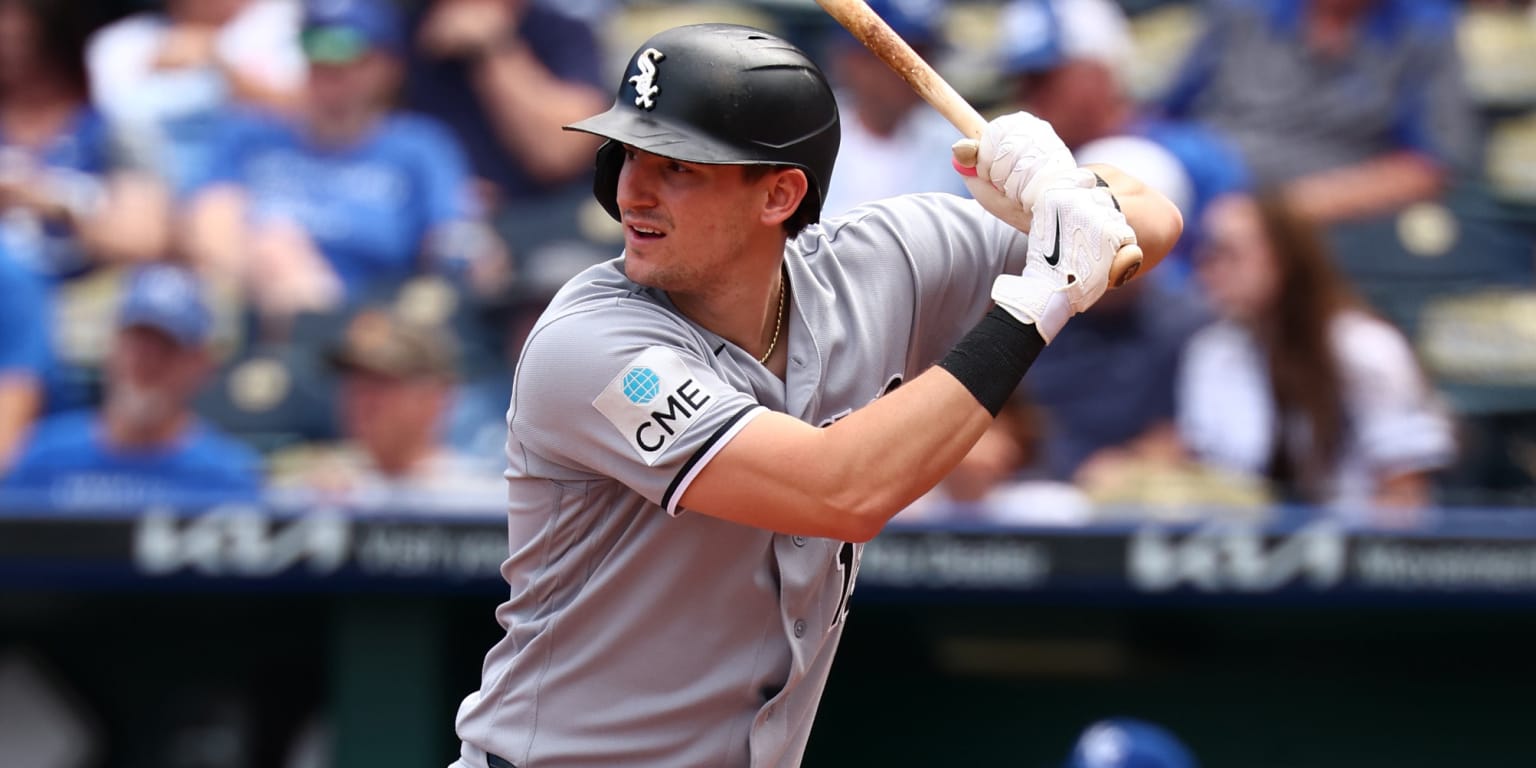
Colson Montgomery struck out in his second at-bat Thursday afternoon against Kansas City to notch his 223rd strikeout of the season, tying Mark Reynolds' Major League record set in 2009 and surpassing Adam Dunn's American League mark of 222 from 2012. The 24-year-old White Sox shortstop entered the day with 31 home runs and 87 RBIs—production figures that matter more than the strikeout ledger, yet the record will dominate the narrative. Montgomery himself refuses to treat it as a referendum on his approach. "You get what you focus on," he said recently. "I feel like if you sit there and you are focusing on striking out all the time, you are probably going to get more of that stuff."
This isn't empty philosophy. White Sox hitting coach Derek Shomon has articulated a deliberate organizational philosophy: strikeouts are a tax on the kind of swing freedom that generates hard contact and offensive production. "No one loves them," Shomon told MLB.com, "but a part of why this offense has succeeded this year is going up there confident, free, with the ability to hit balls hard on a line." The distinction matters. September has been brutal for Montgomery—he's slashing .118/.250/.250 in the month with 37 strikeouts against only eight walks—but Shomon's framing treats whiffs as a symptom to diagnose, not a sin to punish. He's asking the right questions: Is it in-zone miss? Chase rate? Two-strike vulnerability? The root cause shapes the prescription.
Munetaka Murakami, another White Sox position player, has accumulated 191 strikeouts this season, reinforcing that high swing-and-miss totals are baked into the team's offensive identity. The organization could impose chase discipline or swing tightening, but Shomon's resistance to "getting down their throat or chewing their asses out" reflects confidence that the current approach—tolerating strikeouts as the downside of aggressive, high-exit-velo swings—generates more value than a strikeout-minimization strategy would. This is a real philosophical divide between old-school discipline and modern power development.
For prop players, this context reframes strikeout totals on Montgomery. His 223 Ks over a full season (162-game pace would extrapolate to roughly 223 for a full slate) suggests he's a structural high-strikeout hitter, not a declining player in freefall. The White Sox's explicit acceptance of his swing profile means overs on his strikeout props will track to his usage and at-bat volume rather than collapse under pressure to "fix" the issue. If he stays healthy and maintains regular shortstop duties down the stretch, strikeout props should remain reliable plays rather than self-correcting overcorrections. The market often treats season-high strikeout records as cautionary tales requiring regression; here, the team's hitting coach has essentially codified that the strikeouts ARE the deal, not a problem to be solved.
Monetized patience beats punitive tightening in this White Sox framework. Montgomery's 31 home runs and power profile remain the organization's priority. Strikeout volatility, particularly in September swoons, is treated as noise around signal—the signal being his ability to change games with one swing, as he put it. For bettors, that clarity of organizational intent is valuable. His strikeout props won't panic-adjust downward because Chicago has already decided it's comfortable with the tradeoff.