MLB
Cubs' Walk-Off Mastery Masks a Deeper Offensive Problem
Ten walk-off wins in June alone is a statistical anomaly that masks the Cubs' chronic inability to execute with runners in scoring position.
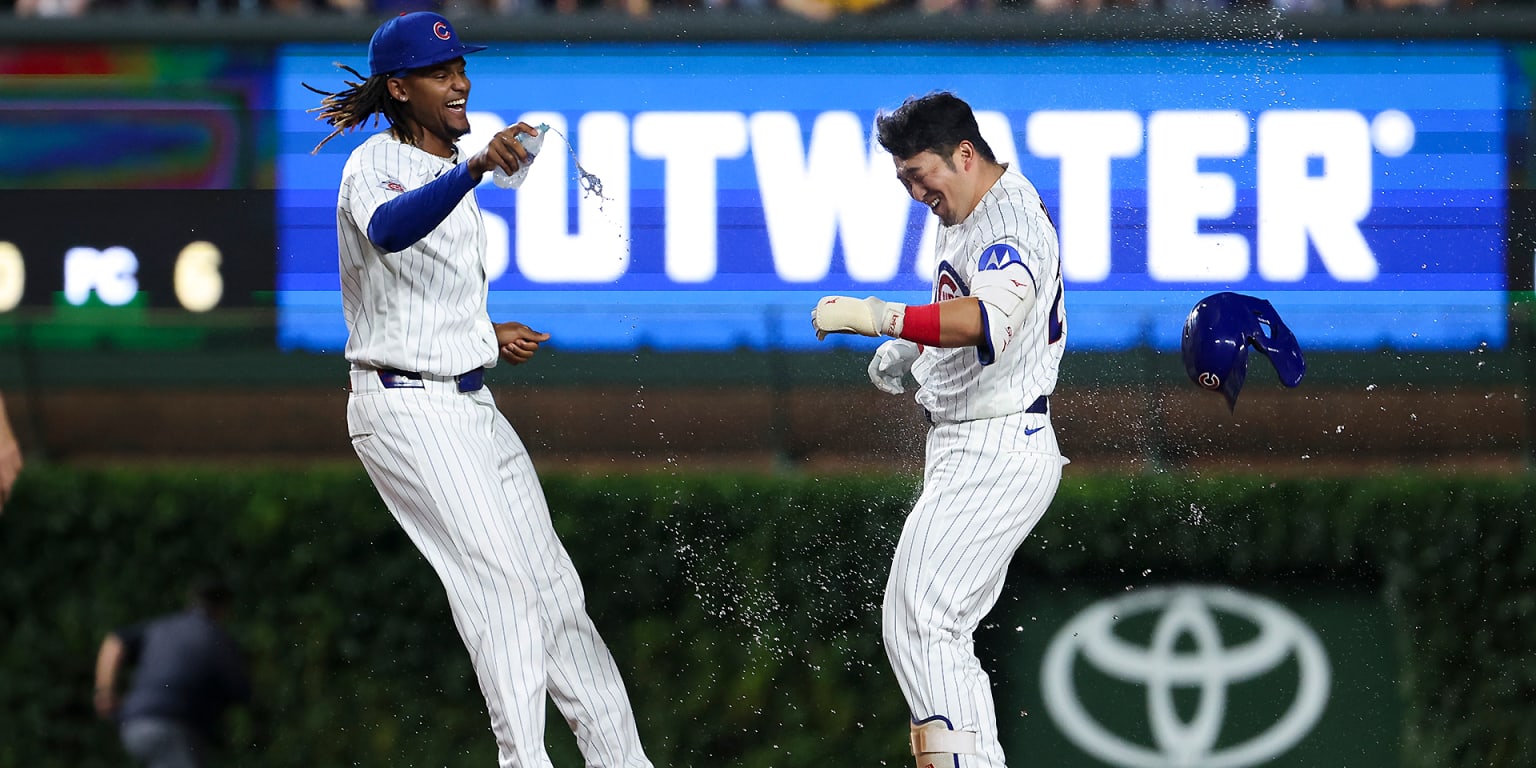
The Cubs notched their tenth walk-off victory of 2026 on Monday night at Wrigley Field, with Seiya Suzuki delivering a ninth-inning single off Padres reliever Kyle Hart that sent the home crowd into celebration. The 3-2 win capped a performance that told two distinct stories: a pitching line that weathered heat and wind, and an offense that went 1-for-10 with runners in scoring position through eight innings before manufacturing the only break that mattered.
Shota Imanaga's outing exemplified controlled execution under adverse conditions. With temperatures at 91 degrees and humidity pushing the wind out to left, the Cubs starter allowed nine hits over 6 1/3 innings but surrendered just two runs—an RBI double from Xander Bogaerts in the fourth and a fielder's choice grounder earlier. Imanaga has now gone seven straight starts without allowing a home run, a stretch that includes just three homers over 22 1/3 innings against his previous four outings where he bled 12 runs on 21 2/3 innings (10.80 ERA). The pivot isn't mystery—it's command recalibration, mixing his arsenal earlier in counts and trusting his defense. That adjustment surfaces in his last four starts: a 2.82 ERA, a profile that rewards staying under totals when Imanaga takes the ball.
What demands closer inspection is the Cubs' offensive volatility, especially against the clutch-hit benchmark. Going 1-for-10 with runners in scoring position represents exactly the kind of execution variance that sportsbooks do not fully discount because walk-off wins generate narrative weight. A tenth walk-off victory in a single calendar month is a 20-year outlier event; the Cubs are now converting their late-inning chaos into wins at a rate the market hasn't yet repriced. Suzuki's ninth-inning hit came on a fly ball that found grass after Padres left fielder Jase Bowen lost it against the dusk and crashed into Wrigley's ivy. That's a sequencing win, not a skill signal. The Cubs' actual hitting profile—the one that matters for game totals and team run prop construction—remains bottlenecked by the same RISP drought that plagued them through eight innings.
For prop construction, this pattern creates a durable edge: Cubs team totals have likely moved higher on the strength of their walk-off record, but their actual run-scoring efficiency hasn't improved. A 2.82 ERA from Imanaga and disciplined bullpen work (Trent Thornton's strikeout of pinch-hitter Gavin Sheets to seal the win) suggest the Cubs' tendency to win close games is driven by not giving up, not by outscoring opponents. The Padres managed just two runs with Bogaerts's bat providing their only real damage, a profile consistent with a bullpen-dependent team fighting for leverage in the Central. Chicago's run production remains fragile: they broke through only because of Bowen's miscue and a defensive play (Miguel Amaya throwing out Fernando Tatis Jr. at second after a challenge held the outs), not because they solved Kyle Hart or consistently threatened Padres pitching.
Moneyline winners and walk-off narratives make for compelling television, but they don't predict future run totals. The Cubs' ability to generate explosive ninth-inning moments does not correlate with the batting average with runners in scoring position that preceded it. For the next 5-10 games, team totals under the Cubs' recent baseline represent sharper value than overs, especially against pitchers who can limit damage early and force Chicago into those familiar RISP strands. The walk-off record is real; the offensive consistency it implies is not.
MLB Intelligence — Baseball intelligence beyond the box score. Open MLB Intelligence →