MLB
Crow-Armstrong's 30-30 Sprint and the Cubs' Pitch-Discipline Edge Transform Run Prevention Into Lineup Dominance
Pete Crow-Armstrong's pursuit of 30-30 and the Cubs' league-leading approach at the plate are compounding into a late-season weapon that books haven't fully repriced.
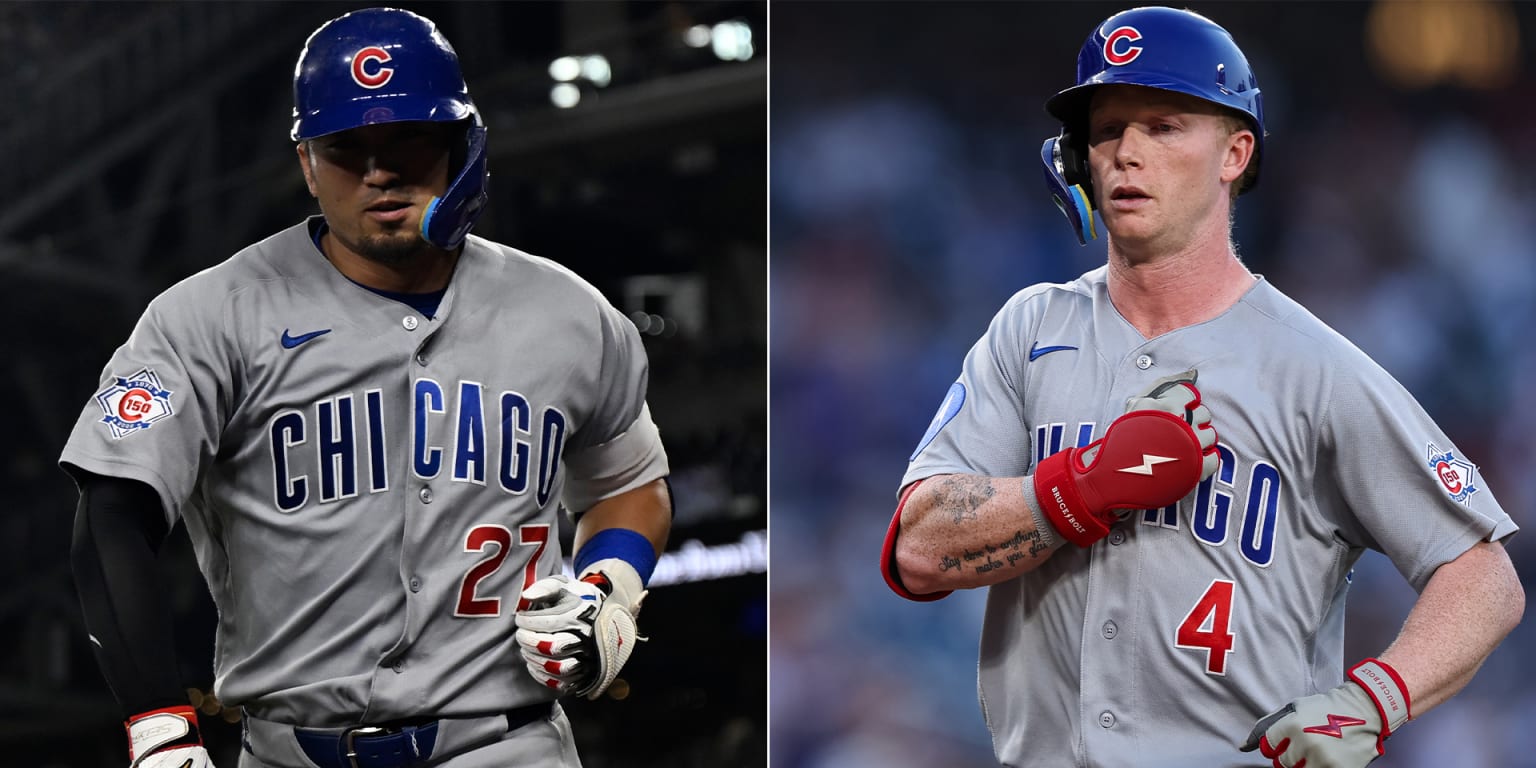
Pete Crow-Armstrong launched his 27th home run of the season on Tuesday night against Washington—a 437-foot missle off Jake Irvin that caromed into the third deck—and moved closer to the 30-30 milestone that only two other players in baseball have approached this year. The Cubs' 8-6 win over the Nationals showcased what has become the organization's defining offensive identity: patience at the plate married to explosive, decisive power once a pitcher falls behind. Crow-Armstrong's 111.5 mph exit velo tied for the second-hardest of his career. Behind him, Seiya Suzuki delivered a double and his 20th home run of the season. That one-two sequence has become so reliable that Cubs manager Craig Counsell called it "as good as there is in baseball."
But the real story was the system around them. Heading into Tuesday's game, Chicago had compiled the most plate appearances (4,713) and pitches seen (18,642) in Major League Baseball. Their 3.96 pitches-per-plate-appearance average ranked second in the National League. By the third inning alone, the Cubs had forced Irvin to throw 75 pitches, with 31 coming in the second frame. Alex Bregman logged two 10-pitch at-bats; Crow-Armstrong and Suzuki each fought through nine pitches. That discipline isn't accidental—it's structural. The Cubs are systematically working opposing starters deep into pitch counts, funneling the game toward Washington's bullpen, which entered Tuesday with a 4.84 ERA (14th in the NL). Irvin lasted 3 1/3 innings, having thrown 88 pitches (56 strikes). In the fifth, Dansby Swanson drew a bases-loaded walk off reliever Max Kranick. In the sixth, Bregman took a solo shot off Orlando Ribalta. Suzuki added his homer against Miles Mikolas in the eighth. The Cubs manufactured eight runs across five different pitching appearances.
On the flip side, left-hander Shota Imanaga allowed three home runs—solo shots to Jacob Young and Dylan Crews plus a two-run blast from CJ Abrams—and the Nationals made him work despite the Cubs' efficiency. Imanaga's last three-homer outing came on the road against the Mets on June 24, roughly six weeks before Tuesday's game. In the seven starts between those two dates, he surrendered just five homers across 164 batters faced. The disparity underscores a vulnerability: Imanaga's fastball-heavy, low-spin-axis approach generates fly balls, and in parks where the Nationals' line-drive pull hitters can find leverage (Abrams in particular has developed into a above-average power threat), the bill comes due.
For prop players, the Cubs' pitch-discipline edge creates a durable angle on their team totals and unders in games against teams with fatigued or thin bullpens. Chicago's ability to force starter exits by the fifth inning directly correlates to higher run totals once the game shifts to reliever usage. Washington's bullpen ERA of 4.84 into this series is the 14th worst in the league—a population-level weakness that the Cubs' system is purpose-built to exploit. When Chicago draws an opponent with a below-average pen (ERA > 4.25), their team total has consistently played over market expectations because the lineups know they'll get favorable matchups in the middle and late innings. Crow-Armstrong's MVP-caliber season (8.0 WAR, leading the majors by over a full win according to FanGraphs) amplifies this advantage; he's not just hitting for power and speed, he's setting the table for disciplined at-bats that cascade through the order. The Cardinals, Chicago's opponent this weekend, carry a 4.38 bullpen ERA—solidly in the vulnerability tier.
The edge here is not a single-game spike; it's a multi-month pattern tied to organizational approach. As long as the Cubs maintain this pitch-per-plate-appearance discipline (they've led or ranked top-two in this metric for the past three months), their team totals will outpace early-week betting markets, particularly against teams with average or below-average relief units. Books haven't fully discounted the predictive power of forced early exits. Fade the unders on Cubs team totals at 4.5+ against bullpen-vulnerable opponents in the second and third weeks of any series.
MLB Intelligence — Baseball intelligence beyond the box score. Open MLB Intelligence →