MLB
Cubs' Deadline Gamble Backfires in Wild Card Sweep; Offensive Firepower Silenced When It Mattered
Chicago invested heavily in the offseason and at the Trade Deadline to break through in October, only to be dismantled by San Diego in two games—a cautionary tale about execution gaps in postseason baseball.
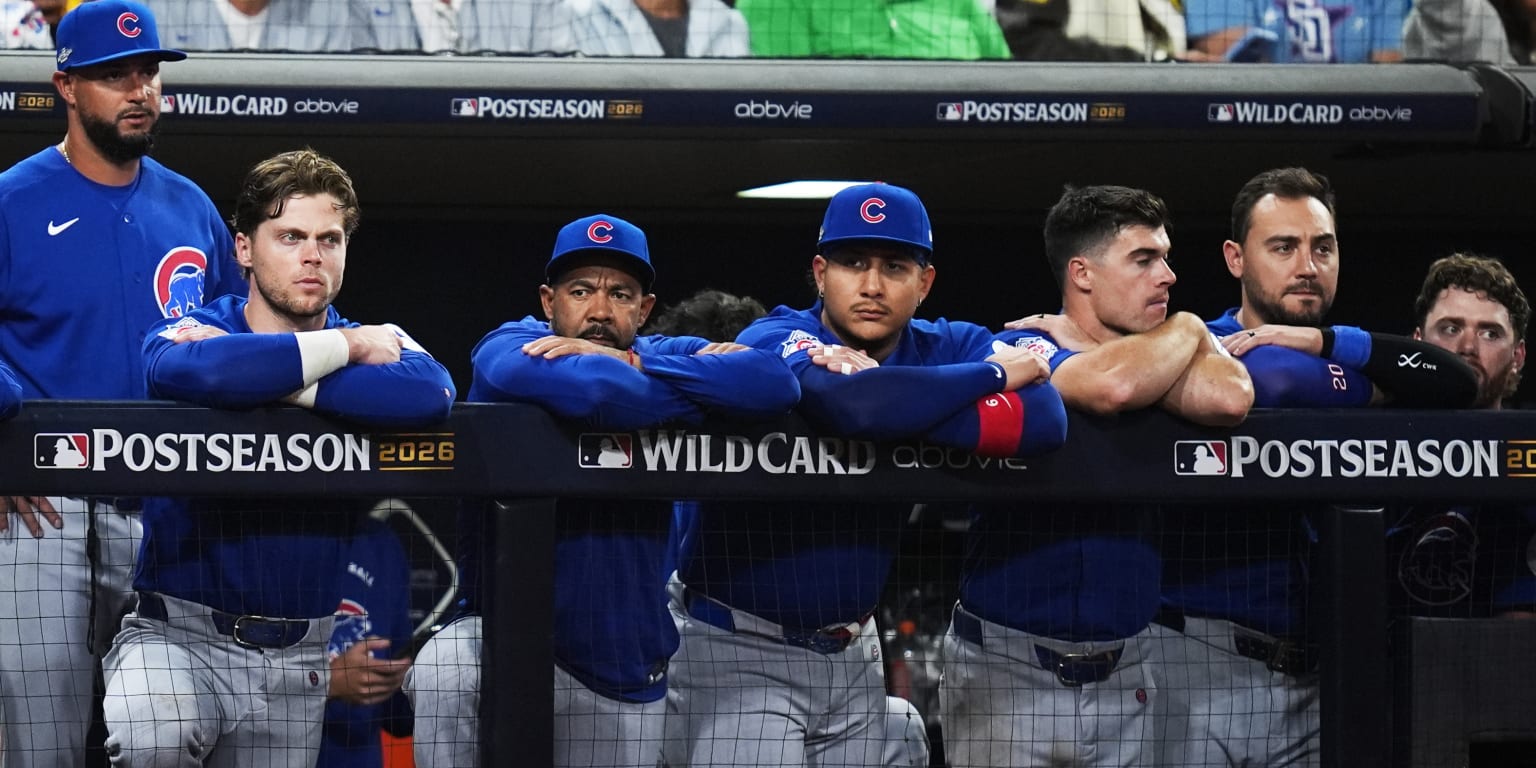
The Cubs' 2026 season ended Wednesday at Petco Park with a 4-1 loss that completed a Wild Card Series sweep by the Padres, erasing months of organizational commitment in 48 hours. This was supposed to be the year Chicago got it right: an MVP-caliber season from Pete Crow-Armstrong, a defense ranked best in baseball, and an offense built to carry them deep into October. The front office had doubled down, adding star talent across the winter and again at the Trade Deadline. Kevin Gausman, one of those marquee additions, lasted into the fourth inning of the clincher before falling apart—a microcosm of his entire brief tenure with the team.
The real indictment came from the Cubs' dynamic duo. Crow-Armstrong and Alex Bregman combined to go 0-for-15 with eight strikeouts across the final two games, suffocated by San Diego's pitching staff when runs mattered most. A single moment crystallized the collapse: in the fourth inning of Game 2, Cubs reliever Daniel Palencia threw a 100.8 mph fastball to pinch-hitter Gavin Sheets, who deposited it into the right-field seats for a two-run home run that essentially ended any plausible Cubs comeback. With the Padres' elite bullpen locked and loaded, that deficit became insurmountable.
For bettors, the lesson is structural. The Cubs entered the Wild Card as one of the betting favorites—their regular-season talent suggested a deep run was not only likely but expected. Yet their inability to execute against quality pitching, coupled with their star offensive weapons going cold simultaneously, exposed a critical gap between regular-season performance and postseason reliability. Crow-Armstrong's MVP-caliber campaign meant nothing if he couldn't produce when opponents tightened their approach. Bregman's addition was meant to shore up the lineup, but neither star generated the pressure needed to break through San Diego's staff.
For those who backed Cubs moneyline bets or team total overs in this series, the offense never materialized—a reminder that regular-season metrics can obscure clutch-moment volatility. The Cubs' highest-scoring offense in baseball disappeared when facing a bullpen-heavy approach in a short series. Going forward, the offseason narrative will be whether the front office stays the course with this core or pivots, but from a betting perspective, the 2026 Cubs are a case study in why star power alone doesn't guarantee postseason execution. The sweep eliminates them from further play; the Padres advance to face Milwaukee in the Division Series.
MLB Intelligence — Baseball intelligence beyond the box score. Open MLB Intelligence →