MLB · injury
Ohtani's Five-Game Window: Dodgers' DH Ramp-Up Creates Short-Term Volatility Before Playoffs
Los Angeles expects its star back Wednesday after 15 days out, but five games of rehab availability means his offensive baselines remain highly uncertain heading into October.
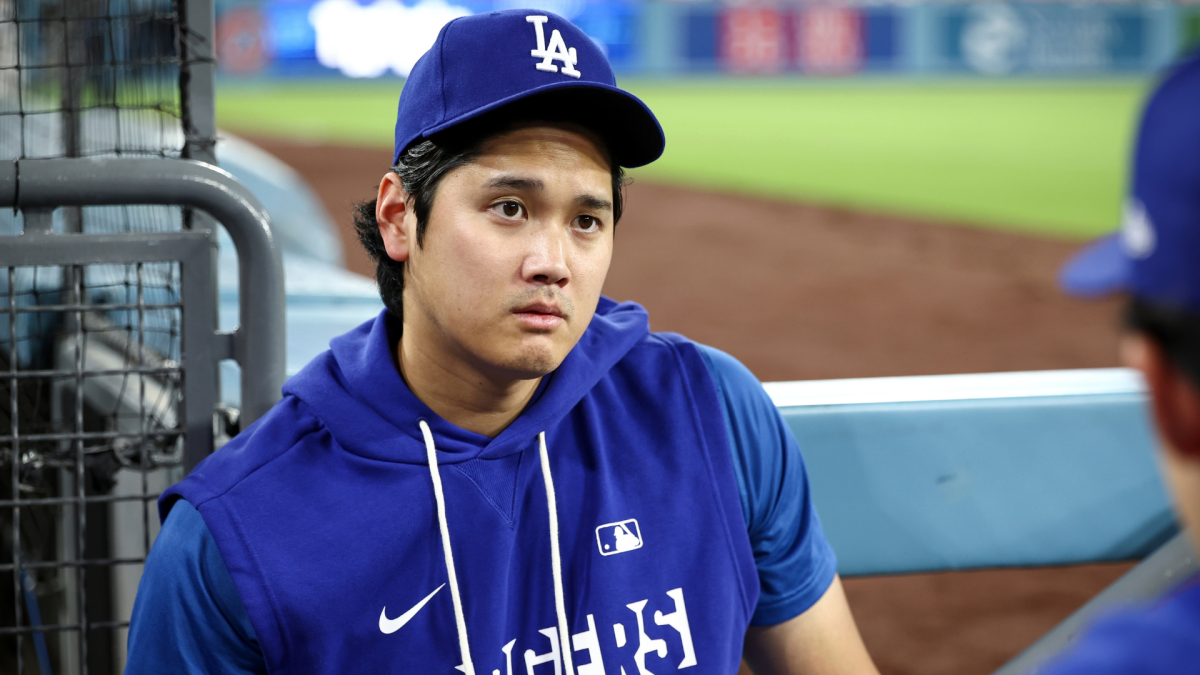
Shohei Ohtani will rejoin the Dodgers' lineup Wednesday after spending 15 days on the injured list with right biceps inflammation, ending a prolonged absence that began September 7. Manager Dave Roberts confirmed the move Tuesday, noting that Ohtani's recovery has progressed to the point where playing through pain—something Roberts indicated he'd embrace in October—no longer applies to the regular season. The decision to shut him down now, rather than ride out the final 10 games of the regular season at diminished capacity, is a calculated gamble: five games of batting practice at game speed before the Dodgers almost certainly clinch a bye week and enter the postseason fully rested.
The context here matters. Ohtani hasn't pitched since late July due to a separate knee injury, and he was already slated to serve as a DH-only contributor in the playoffs. What made his batting absence particularly damaging was timing—he hit .122/.295/.184 with zero home runs and 21 strikeouts over his final 13 games before the IL stint, a collapse that coincided with visible decline in his ability to catch up to fastballs. This wasn't minor rust; this was the product of biceps inflammation limiting his bat speed and load mechanics. On the season, Ohtani sits at .277/.380/.522 with 30 home runs and 80 RBI, a strong year that masks the deterioration of his September.
The Dodgers' win-loss record without him (9-3 since September 7) tells a false story. Los Angeles hasn't faced a team above .500 in that stretch, and they'll square off against the Padres on Tuesday night in their first real test. The team's offensive floor didn't collapse because Ohtani's supporting cast—Freddie Freeman, Mookie Betts, Will Smith—remained available. But Ohtani's absence did matter psychologically and strategically: he's the team's third-best hitter by wRC+, and his ability to avoid strikeouts and draw walks (the .380 OBP is legit) gives the Dodgers flexibility in close games. A Dodgers offense without Ohtani trading momentum is manageable; a Dodgers offense with a hobbled, timing-off Ohtani could be worse than no Ohtani at all.
For prop bettors, the angle isn't complicated but it's time-sensitive. Ohtani's strikeout rate over those 13 games (21 K in 57 plate appearances, a 36.8% rate) is nearly double his season average, and his expected batting average—a measure of quality of contact independent of BABIP luck—dropped to the .200 range. If he returns Wednesday and plays all five remaining games, he's a fade on strikeout unders for at least the next week. His bat speed and mechanics need a full week of live at-bats to reset; expecting him to replicate his .380 OBP or .522 SLG in a five-game sprint is wishful thinking. The Dodgers have the luxury of a bye week afterward, which means those five games serve as an extended spring training. Until he's lived through 15-20 plate appearances back in the lineup, his offensive props—particularly those dependent on timing and contact (strikeout props, home run props, total bases)—carry higher variance than his season stat line suggests.
This is not a long-term fade. By October, Ohtani's injury should be meaningfully resolved, and the bye week amplifies that recovery window. But for the final regular-season slate and any wild-card play that might involve him (unlikely given the bye), treat his props as volatile. The market will likely anchor to his season numbers and miss the gap between where he was in early September versus where he sits now. That gap is real, and it's being compressed by a tight timeline.