Ohtani's Return Window Tightens—and Dodgers' Lineup Math Gets Complicated
By PropBetEdge Editorial Team ·
With activation likely within five games of season's end, Ohtani's hitter-only return forces a lineup compression that could reshape plate-appearance distribution down the stretch.
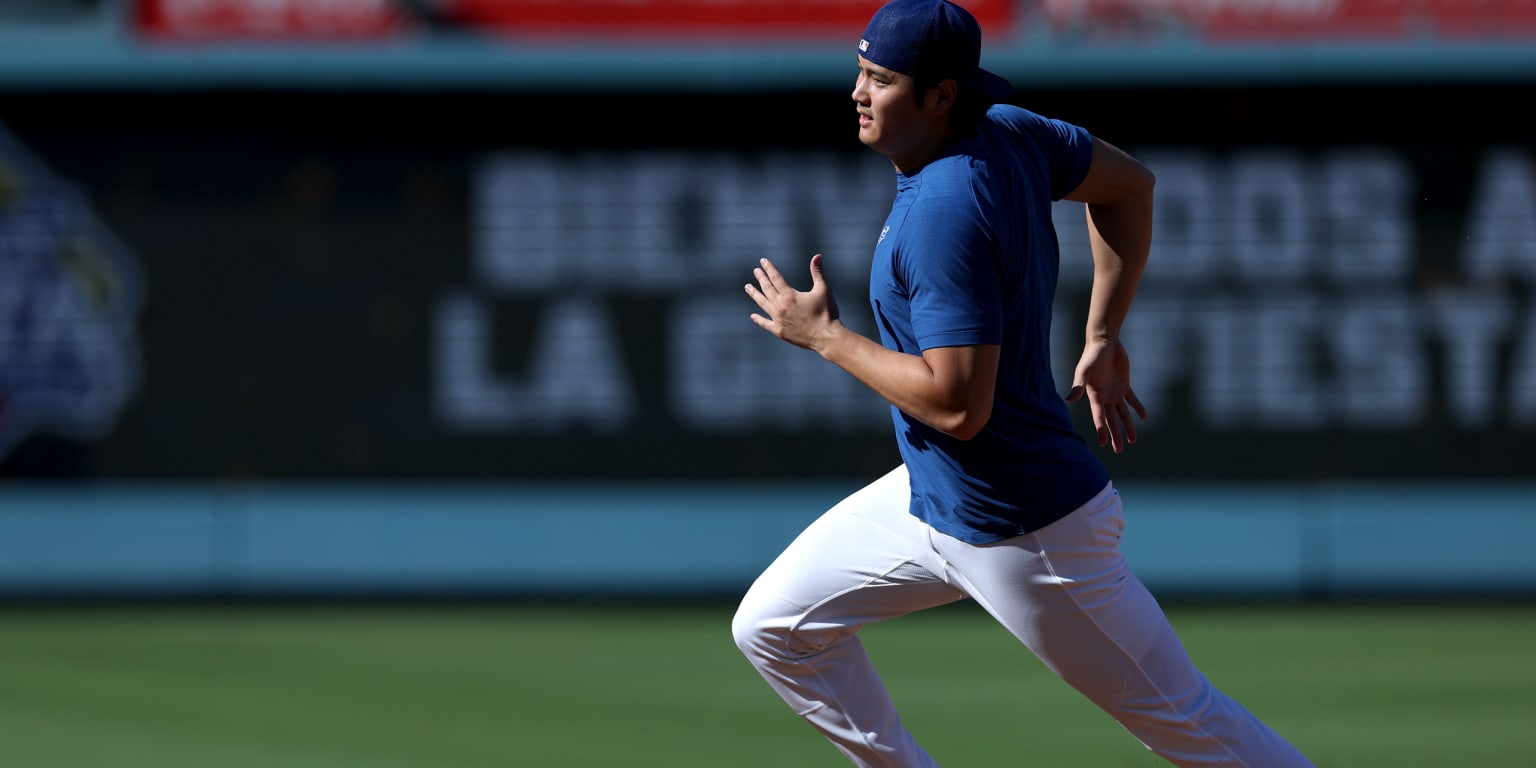
Shohei Ohtani is on track to rejoin the Dodgers' lineup during the team's final home series against San Diego, with manager Dave Roberts confirming activation as soon as Wednesday, September 25th—the second game of the series. Ohtani's 15-day IL stint, backdated to September 8th, makes him eligible to return immediately, and his progression has advanced faster than baseline expectations: he's moved from live hitting to simulated pitching machines, took 30-40 high-intensity swings on Saturday without issue, and even ran the bases during team drills. The mechanics check out. The timing, however, is razor-thin.
Ohtani will slot back as a hitter only—pitching remains off the table indefinitely. This matters tactically because the Dodgers have cobbled together a 13-3 run without him over the past 15 games, a stretch that will shrink to roughly five regular-season contests before October baseball begins. That compressed window means no easy reacclimation. Roberts won't have the luxury of easing Ohtani back into 80% of plate appearances; he'll need immediate, high-leverage at-bats against competitive arms to shake off rust. The right biceps and left knee issues that sidelined him were serious enough to derail a late-season pitching ramp-up, and a .198 average over his last 24 games before IL (34 strikeouts in 96 at-bats) suggests he was already trending toward swing-and-miss before the injury forced shutdown.
From a lineup construction standpoint, Ohtani's return forces roster compression that bettors should track closely. The Dodgers' recent 13-3 performance came with a specific batting order identity—Freddie Freeman leading off, Mookie Betts in his customary slot, and complementary bats filling roles below. When Ohtani re-enters, someone moves. His .902 OPS and 30 home runs prior to injury mark him as a force-feed candidate for leadoff or number-three positioning. The effect: plate appearances get redistributed downward. Mookie's touch rate may tick up in higher leverage, but Freeman's hit rate—which has been steady—could compress as the order reshuffles around a non-contact Ohtani who is still in early at-bat recovery.
For bettors, this creates two distinct edges over the final five games. First, Dodgers team totals at books that haven't fully repriced for late-game volatility should be faded. The margin between Ohtani's slugging upside (he was elite before injury) and his current form (strikeout-heavy, mechanical concerns from a lower body issue affecting balance) is wide and uncertain. Books will shade team totals up anticipating Ohtani's return as additive; the actual outcome depends on whether he's a mid-October force or still working through three weeks of rust with zero practice time in real games. Second, Mookie Betts' assist-adjacent metrics (hit rate, plate appearances per game) are now volatile; his recent counting-stat pace won't hold if lineup slots shift fundamentally. Watch early positioning in the San Diego series as a tell: if Ohtani leads off or hits third, Mookie drops and takes fewer plate opportunities. If Ohtani hits fifth or sixth due to caution, Freeman's volume holds and Betts' leverage-based spot remains stable.
The sharper angle: fade Dodgers team totals and over-props for games where Ohtani is activated but hasn't yet logged 100 at-bats in the regular season. His strikeout rate (34 K in 96 PA = 35.4% whiff) is elevated above his career norm, and early-return metrics rarely normalize in a five-game sample. Books are pricing Ohtani as a full-strength bat; he's closer to a beta test.