MLB · roster-move
Sasaki's Relief Return Reshapes Dodgers Bullpen Leverage—and Postseason Closer Hierarchy
The Dodgers activated their ace-turned-reliever ahead of the final stretch, signaling a shift away from traditional closer usage and toward matchup-driven high-leverage deployment.
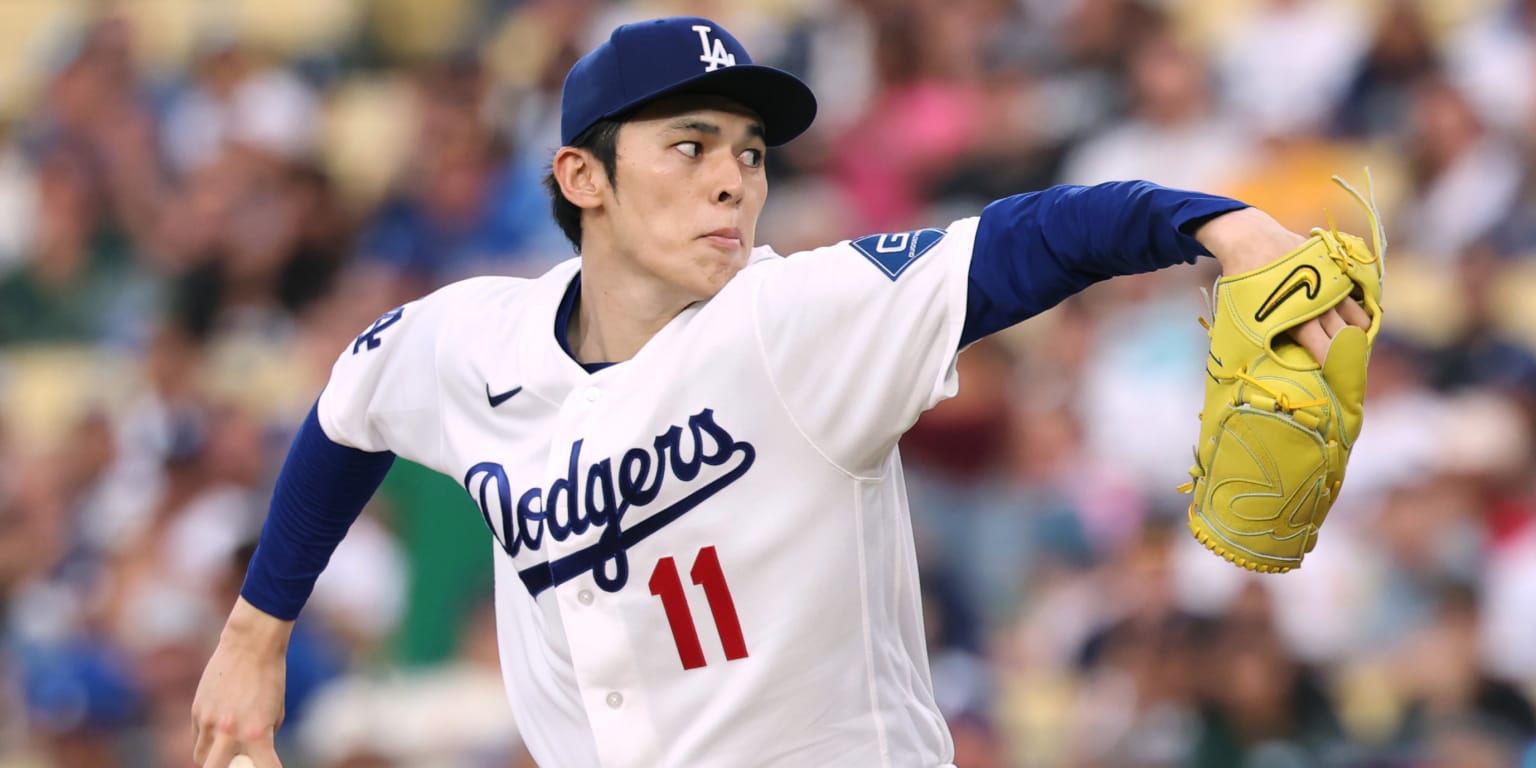
Roki Sasaki is back in a Dodgers uniform, and this time the team is using him where he found his footing last October. Activated from the 15-day injured list on Tuesday ahead of the Padres series, Sasaki will pitch multiple innings in relief during the final five games of the regular season—a deliberate audition for a postseason role that may or may not include save situations. The blister on his right middle finger that cut short his start on Aug. 26 is healed; what matters now is whether his arm is sharp enough to anchor a bullpen that has no reliable closer.
Sasaki's second MLB season looked promising before the injury shutdown. Working with a new splitter and touching higher fastball velocities, he posted a 2.63 ERA over seven consecutive starts before the blister forced him off the mound. That stretch represented genuine progress for a pitcher who battled ineffectiveness early in the season and a four-month shoulder absence last year. But the timing of his return—with the Dodgers' closer situation in disarray—changes the calculus entirely. Edwin Díaz has underperformed all season and has missed time with injury; Tanner Scott holds the save lead with 23, but he's blown four saves, including two since September began. The team is now operating without a reliable ninth-inning option.
Manager Dave Roberts is explicit about the strategy: leverage matters more than the inning. With high-stakes situations often arriving in the seventh or eighth inning of playoff games, deploying multiple capable arms in matchup-friendly spots beats designating a traditional closer. Sasaki closed out playoff games with a 0.84 ERA across 10⅔ innings last October, proof that his size (he's a 24-year-old right-hander) and arsenal translate to high-leverage moments. The question now is whether he can prove it again in relief, on short rest, over a compressed five-game window before the postseason begins.
For bettors, this development introduces volatility into Dodgers bullpen prop pricing ahead of playoff matchups. If Sasaki shows command and health in these final games, books will reprrice him as a leverage-inning weapon rather than a marginal bullpen piece—which means his strikeout props and innings-pitched availability could tighten significantly once the postseason begins. His strikeout rate in relief (last year's postseason run) exceeded his rotation baseline; short-burst usage in high-leverage spots should drive elevated K rates on any props priced before the first playoff game. Conversely, Tanner Scott's closer equity may decline if the Dodgers signal that matchup baseball will replace traditional save roles, which could lower his save props in early-round matchups. For now, the edge sits with early-postseason bullpen props that haven't yet adjusted to Roberts' explicit leverage-first philosophy.
The Dodgers are not hiding this plan. They're auditioning Sasaki openly, signaling to the market that they've already moved past the closer-or-bust approach. Bettors who recognize this shift before book adjustments catch up have five days of data collection—plus the playoff framework itself—to exploit favorable Dodgers bullpen lines.