Dodgers Turn Rotation Depth Into Bullpen Insurance as Postseason Ramp Begins
By Erik Schwartz ·
With Edwin Díaz unreliable and their best right-handed reliever sidelined, Los Angeles is converting starting-caliber arms into leverage weapons—a strategic pivot that reshapes late-inning usage and volatility heading into October.
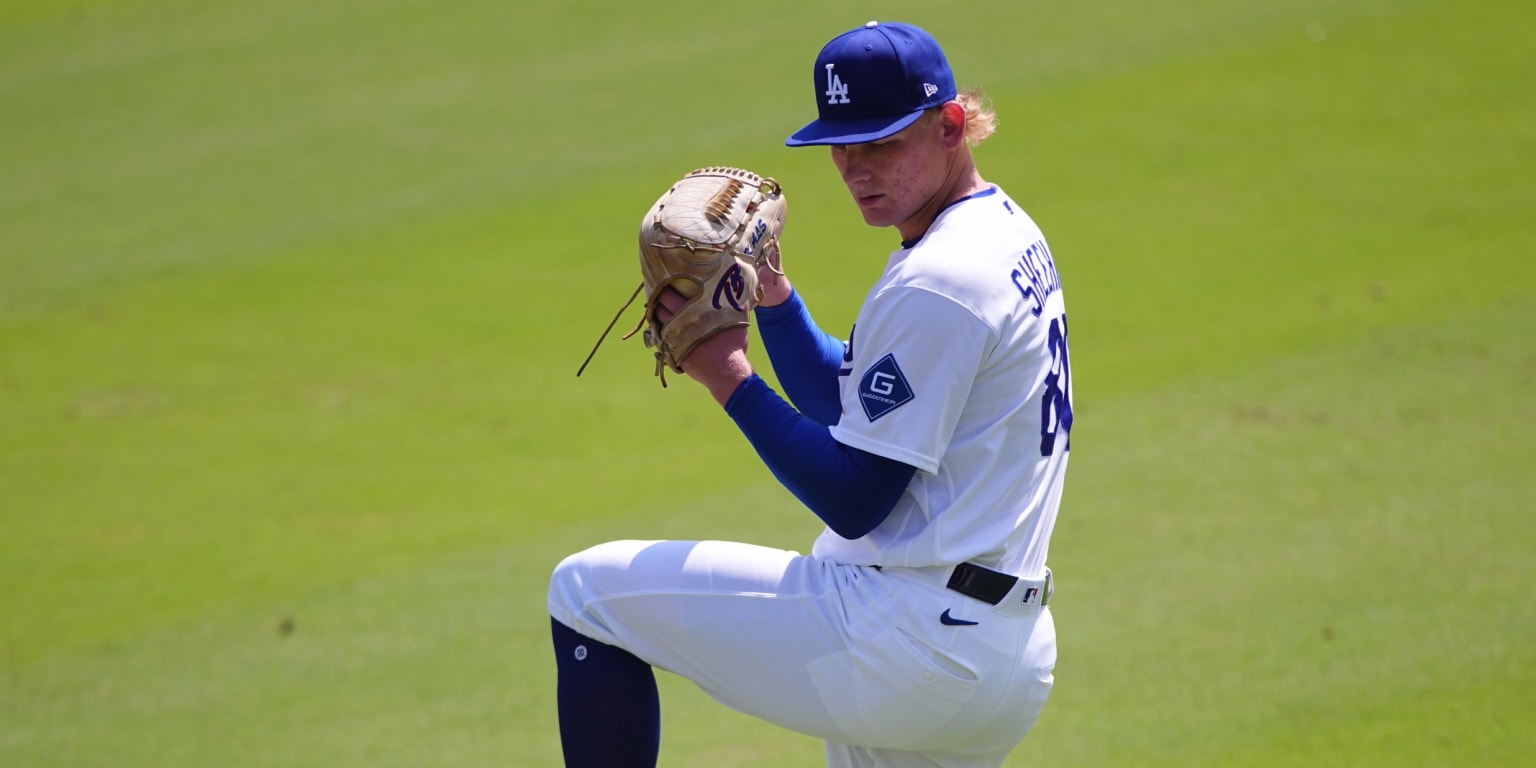
The Dodgers swept the Giants 3-1 on Sunday with a bullpen game that doubled as a postseason audition. Emmet Sheehan tossed 5 1/3 scoreless innings with nine strikeouts in bulk relief, while Kris Bubic (acquired at the deadline) delivered his third consecutive scoreless outing. These weren't throwaway September performances against a fading opponent—they were dress rehearsals for a rotation-starved pitching staff trying to solve a critical bullpen gap before October arrives.
The underlying problem is structural. Edwin Díaz, signed to a three-year, $69 million deal as the closer, has been demoted to low-leverage work due to injuries and poor performance. Edgardo Henriquez, who emerged as Los Angeles's most reliable right-handed arm in tight spots, is out for the season with a lower back strain and uncertain to return even in the postseason. That left-side concentration (Brent Honeyeyy, Evan Phillips, Brock Stewart) works fine as a bridge to the ninth inning, but it exposes the ninth-inning construction itself. The Dodgers' counter: stop treating Sheehan and Roki Sasaki as rotation-only assets. Both have postseason relief experience from last fall's World Series run. Sasaki thrived as the closer; Sheehan stabilized after a rough first month. Manager Dave Roberts is now activating Sasaki on Tuesday and transitioning him to relief work over the final week of the regular season, keeping him stretched out but ready for high-leverage relief innings when the playoffs begin.
This is not organizational desperation. It's a calculated bet that starting-caliber velocity and stuff profiles—Sasaki's arsenals in particular—create more value hunting outs in short bursts against hitters seeing multiple pitches per plate appearance than cycling through a thinner rotation. The Dodgers already have four established starters (Yoshinobu Yamamoto, Tarik Skubal, Blake Snell, Tyler Glasnow) locked in for October. Sheehan and Sasaki are marginal value in that slot. But in the bullpen, Sasaki's mid-to-high 90s fastball and wipeout slider become tier-one weapons—especially in a league where teams are leaning harder on bullpen games and shortened starts in the postseason.
For bettors, this reshuffles leverage assumptions in the final six regular-season games. Sasaki's transition away from starter role means his next two-to-three starts are likely shorter and more fastball-heavy (testing his relief mechanics), which could push his strikeout prop down relative to his season baseline. Conversely, when these arms hit the October role, right-handed batter strikeout props against Dodgers relief will carry higher volatility than usual—both upside (elite stuff cutting loose in short stints) and downside (fatigue or rust in unfamiliar contexts). The market may not yet have fully priced Díaz's continued weakness into late-inning usage models for Dodgers games; his two scoreless innings Sunday feel like a trial balloon rather than a reset. If Díaz takes another rough outing before the regular season ends, expect a spike in Dodgers opponent moneylines and totals when Díaz is likely to be deployed in close games.