MLB
Sale's Game 2 Start Hinges on Braves' Game 1 Result—and His Own Recovery
The Braves may defer their ace's short-rest availability based on series position, creating a rare scheduling uncertainty that affects both lineup construction and pitching-depth props.
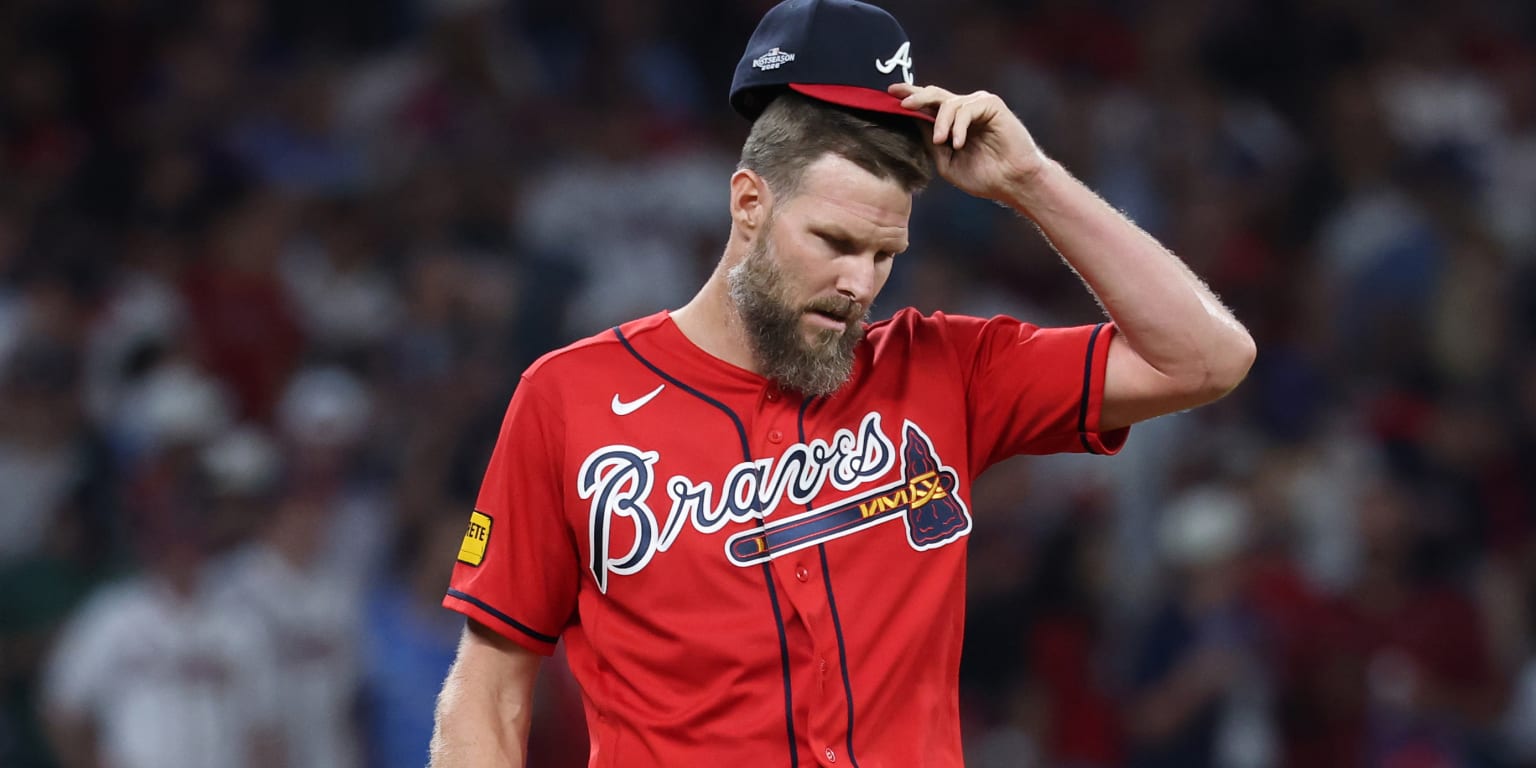
Chris Sale threw just 21 pitches in relief Thursday night to close out Atlanta's Wild Card victory, but the question dominating the Braves' approach to the NLDS isn't whether he's available—it's when he's available. Manager Walt Weiss confirmed Saturday that Sale's readiness for Sunday's Game 2 start against the Dodgers depends on two variables: how the veteran feels when he wakes up Sunday morning, and whether the Braves need him immediately after losing Game 1 on Saturday.
"If he were to come in tomorrow morning and say, 'I feel amazing,' there's a chance he pitches tomorrow," Weiss told reporters. That conditional framing masks a real contingency: a Game 1 win shifts the calculus entirely. With the series at 1–0, the Braves can afford to push Sale to Game 3 on Tuesday and preserve his arm for a potential Game 5 if needed. A Game 1 loss, however, forces their hand. A short-rest Sale in Game 2 becomes not a luxury but necessity.
Sale's recent workload history complicates any certainty. He made only two regular-rest starts all season—the most recent on April 6—before Thursday's relief appearance. That skew toward short-rest and piggyback situations means Sunday wouldn't represent normal recovery, even by postseason standards. Yet Sale's own words Friday night carried conviction: "If I had to pitch tomorrow, I'd be ready." The 37-year-old's durability in high-leverage moments is established; what's uncertain is whether the Braves will test it.
For bettors, this uncertainty ripples through multiple angles. Grant Holmes and Tyler Mahle are the backup options; Holmes can start Game 2 if Sale doesn't, while Mahle is held for Game 3 onward. If Game 1 goes to the Dodgers, Sale becomes the likely Game 2 starter, which increases strikeout volume—his 11.2 K/9 this season ranks among league leaders, and short-rest outings often feature elevated pitch velocity. If the Braves win Game 1, Sale slides to Game 3, and the Game 2 starter becomes Holmes, a different pitcher with a lower K rate (8.1 K/9 in 2026). The Dodgers' preference for fastball-heavy lineups in the postseason means a Sale Game 2 start inflates strikeout props for both the starter and the game itself; a Holmes start compresses them.
Market prices on Sunday's Game 2 starter and strikeout totals likely embed 50–50 odds on Sale's availability. But that equilibrium breaks the moment Game 1 concludes. Early bettors who can move on Game 2 props after Saturday night's Game 1 result will find faster adjustment in starter-specific K props (Sale vs. Holmes) than in total-game strikeout lines, which move more slowly. The lag between Weiss's decision clarity and full market repricing creates a narrow window for bettors willing to track the series outcome and move fast on Sunday morning before Game 2 first pitch.
MLB Intelligence — Baseball intelligence beyond the box score. Open MLB Intelligence →