MLB · injury
Suárez Returns to Reds Lineup, But Eased Entry Limits Early Impact
Cincinnati's designated hitter comes off the injured list after a month out, but the team's cautious deployment strategy and his slow early performance create conflicting signals for bettors.
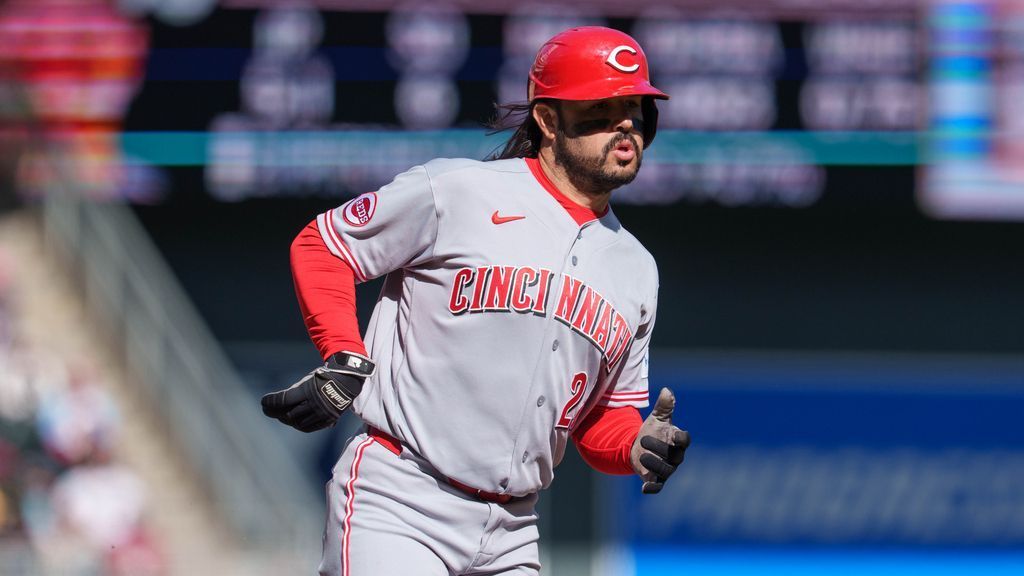
Eugenio Suárez was activated from the 10-day injured list Friday, ending a four-week absence from a mild left oblique strain that sidelined him since April 25. The Reds, who stumbled to an 18-11 record without him, welcomed back the $15 million free-agent signing with hopes of stabilizing an offense that has underperformed expectations. But Reds manager Terry Francona signaled immediate caution: Suárez will play "two of three" games this weekend, a deliberate deployment choice that telegraphs the team's concern about re-injury or conditioning lapses.
The timing complicates the narrative. Suárez, before his injury, had batted .231 with three home runs and 11 RBI in 25 games—a sluggish start that suggests his early-season struggles were genuine, not circumstantial. Meanwhile, cleanup hitter Sal Stewart collapsed to .151 with one homer across an 18-game span during Suárez's absence, raising the question of whether the lineup's true problem was the absence itself or a deeper structural weakness. The loss of third baseman Ke'Bryan Hayes to a lumbar disk issue retroactive to May 21—Hayes hit .142 in 44 games—compounds the offense's fragility rather than buoying confidence in imminent improvement.
For prop bettors, Suárez's return presents a measurement challenge. His slow start pre-injury (three home runs in 25 games projects to 18-20 over a full season) suggests limited upside on individual power props. The managed playing time—Francona's explicit intent to "pick our spots early"—introduces volatility into hit and RBI totals, since a player sitting out two of three games cannot hit for average or accumulate counting stats on off-days. Books may have over-corrected their lines upward simply because Suárez is back, but the actual opportunity cost of staggered deployment will suppress his box-score output through May and possibly into June.
Cincinnati's team totals and run-line props are the real focal point. The Reds were 20-11 before Suárez's injury, then 18-11 after—a slip from .645 win rate to .621, a measurable but not catastrophic decline. His return alone doesn't restore the earlier pace; it requires Stewart to normalize and Hayes' absence not to cascade into further depth-chart exhaustion. Books will price in an immediate uptick in Reds totals and moneyline odds, but that pricing assumes Suárez's presence alone cures offensive inertia. Historical re-entry data suggests otherwise: players returning from oblique strains typically need 2-3 weeks to regain timing and power production. Early Reds overs are likely overweighting the feel-good narrative of his activation against the mechanical fact that he'll play 60-70% of games while still shaking off rust.
MLB Intelligence — Baseball intelligence beyond the box score. Open MLB Intelligence →