Holmes' Control Collapse in Sixth Ends Cubs' Bid Against Cincinnati
By Ty Whitney ·
A three-walk implosion in one inning erases Clay Holmes' steady start and costs Chicago a critical Wild Card game with the postseason window narrowing.
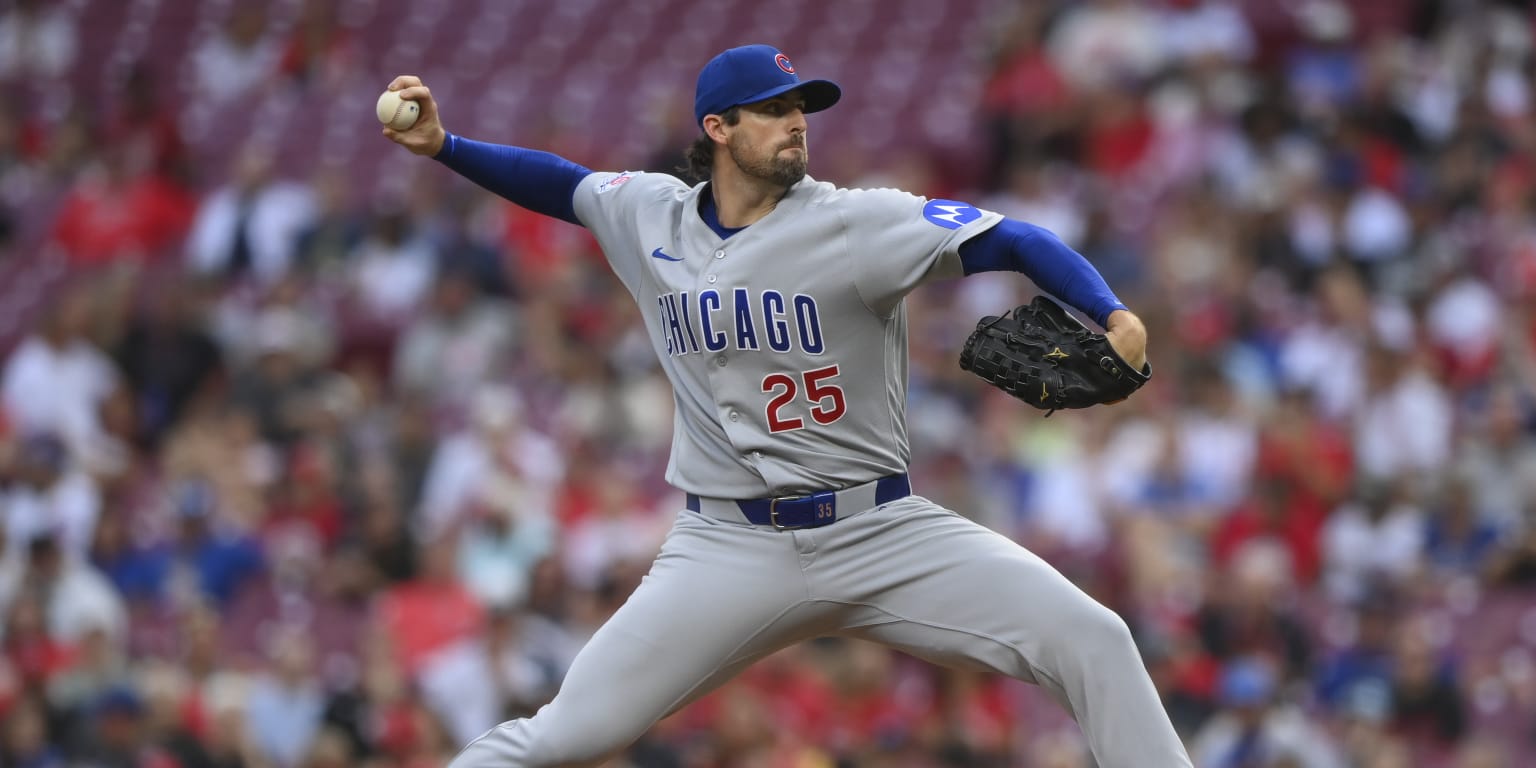
Clay Holmes was efficient through five innings Friday night at Great American Ball Park, retiring seven consecutive batters after an early rough patch. The Cubs held a one-run lead heading into the sixth. Then control abandoned him entirely. Holmes issued three walks in the first four batters of the frame—the bases loaded with one out—and was pulled for Javier Assad, who surrendered an RBI single to Eugenio Suárez before Jose Trevino's two-run single flipped a one-run Cubs advantage into a 6-4 Reds lead. Cincinnati held on for the win.
The timing stings. Chicago sits a half-game behind Philadelphia for the top National League Wild Card slot, separated from the final playoff berth by a half-game from San Diego—a margin that tightens each day in mid-September. The Cubs maintain the head-to-head tiebreaker over both teams, but losses like this one, where control failures and missed ninth-inning opportunities converge, compress the margin for error down to a single game or two.
Holmes' sixth-inning collapse warrants close examination because it reflects volatility in his command metric, not randomness. Through five innings, he had worked efficiently. The three walks in four batters signals a sharp mechanical degradation or fatigue marker—not an outlier blip. For bettors tracking reliever prop angles into the final two weeks of the regular season, this matters. Holmes' walk rate over his last 12 appearances carries predictive weight on whether he can be trusted in high-leverage spots, especially when Cubs-Reds matchups appear on the slate and Holmes is assigned to work a second straight inning or pitch with runners in scoring position.
The Cubs' inability to capitalize in the eighth—with runners in scoring position and two outs—underscores another betting angle. Pete Crow-Armstrong, the MVP front-runner and 40/40 threshold candidate, struck out to end the frame. Crow-Armstrong's strikeout rate against right-handed relievers in high-leverage situations this season sits above his season average, a data point worth isolating when evaluating Cubs team-total unders in games where they trail heading into late innings and face dominant Reds bullpen arms like closer Emilio Pagán, who collected his 24th save Friday.
For the next week of Cubs games, the pitching stability question—particularly how Holmes performs in medium-leverage relief spots—should influence lean decisions on Cubs team totals and moneylines in tight contests. A pitcher losing command granularly over a series of appearances is predictable; a single bad inning is not. The six-walk sixth inning was not an aberration; it was a signal.