Snell's Early Exit Signals Durability Risk for Remainder of September
By PropBetEdge Editorial Team ·
Blake Snell lasted one inning Wednesday before left groin tightness forced him from his start, marking another injury setback for a pitcher already dealing with recurring damage.
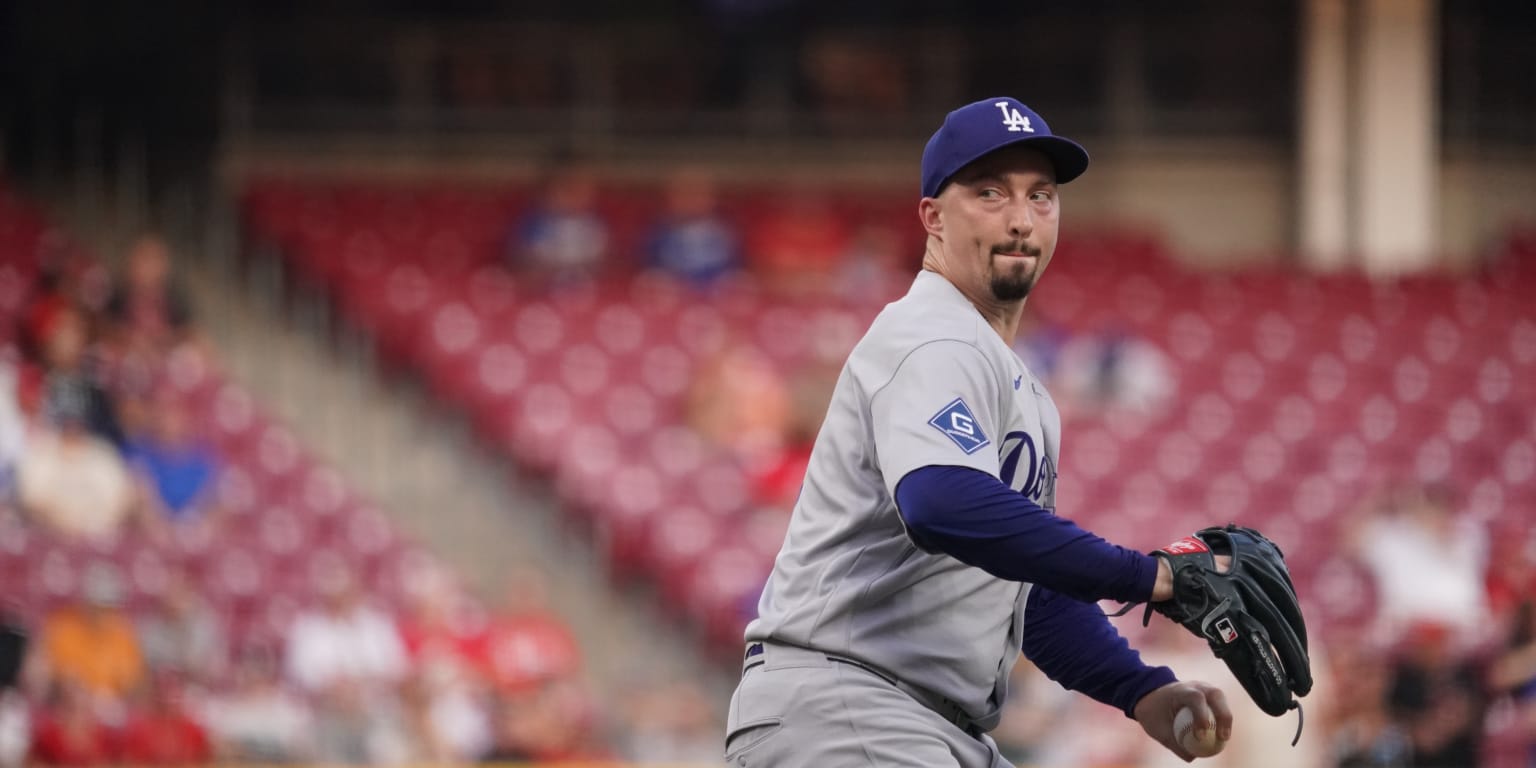
Blake Snell exited his start against Cincinnati after one inning Wednesday night with left groin tightness, ending a brief hot streak that had made him one of the league's most reliable arms down the stretch. The left-hander threw just 19 pitches facing the minimum—a two-out single to Sal Stewart that was immediately erased on a pickoff-caught stealing—before Blake Treinen took over in the bottom of the second. Snell's velocity told part of the story: his eight four-seamers averaged 94.5 mph, a 1.5 mph dip from his season baseline, a red flag that the injury had already begun affecting his mechanics before the pain became acute enough to pull him from the game.
This injury carries particular weight given Snell's recent medical history. He opened 2026 on the injured list with left shoulder fatigue, then returned only to land back on the IL after one start when loose bodies in his left elbow required surgical removal. He's spent roughly two-thirds of this season either sidelined or working through the emotional and physical cost of returning from surgery. Since his Aug. 11 activation, he had been dominant—4-0 with a 1.04 ERA across six starts—suggesting that once healthy, his stuff remained elite. The groin injury is different in nature but emerges from the same body that has already cycled through shoulder and elbow problems, raising questions about whether Snell can pitch through a compressed final month without further setbacks.
The timing matters immensely. With roughly two weeks separating the current date from the end of the regular season, every healthy inning from a front-line starter carries outsized value for teams in contention. Snell's absence forces his team to either deploy a fresh reliever or shift rotation depth to cover what was supposed to be a scheduled start. Either path weakens the pitching infrastructure heading into October. For Snell himself, the risk calculus has shifted: a pitcher already behind on innings pitched this season now faces pressure to return quickly to meet postseason workload expectations, even if the groin injury demands more conservative rest.
From a betting lens, this injury compression narrows the value profile significantly. Snell's strikeout prop had benefited from his recent elite form and high velocity—the kind of pitcher you want to target for K-rate overs. That volatility is now front-loaded: any return start within the next week will carry elevated uncertainty about whether he's truly healthy or pitching through a lingering issue. His velocity baseline may not recover to pre-injury levels immediately, and groin injuries in pitchers are particularly treacherous because they affect the hip drive and lower-body mechanics that generate force on the mound. Early markets may not price this mechanical vulnerability fully if he re-enters the rotation within days.
For the remainder of September, fade Snell strikeout props or take unders if his line appears sticky to pre-injury averages. The market may assume a quick return and slot him back at his Aug. 11-Sept. 15 performance level (5.8 K/9), but the groin tightness combined with a history of recurring injuries suggests he'll either spend more time rehabbing—removing him from prop consideration entirely—or return at reduced physical capacity. Either scenario punishes bullish K-rate positioning.