MLB
Boston's Historic Streak Rewrites the Margin-of-Victory Playbook
The Red Sox have turned into a 37-game tour de force that defies early-season dysfunction; the run is now franchise-best and the betting implications stretch far beyond Fenway.
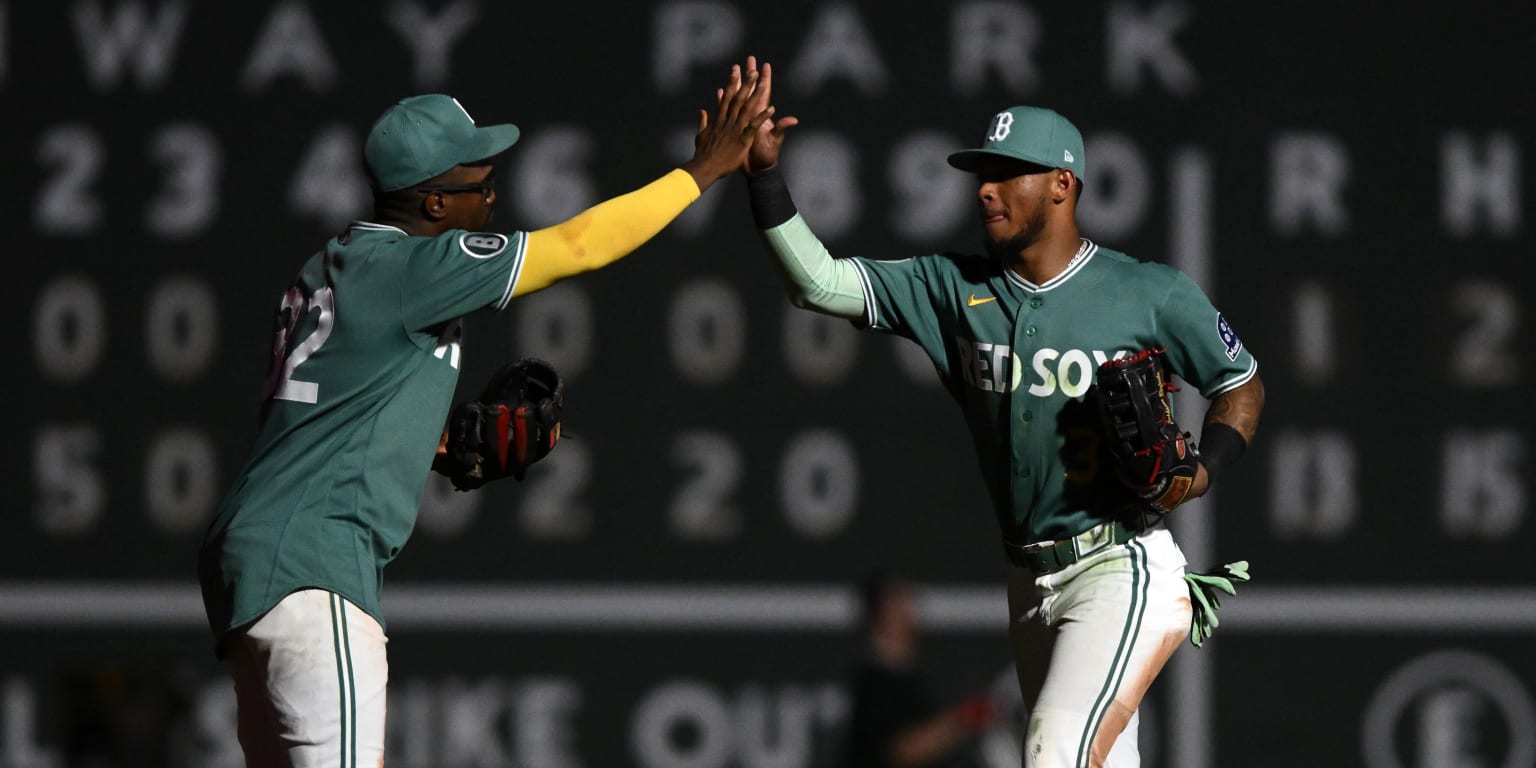
Boston just extended its winning streak to nine games with a 13-1 demolition of Oakland, and the underlying numbers tell a story that casual observers miss: a 32-5 record since June 25 and a 27-3 mark since July 3 represent the best 37-game and 30-game stretches in Red Sox franchise history. That's not incremental improvement. That's a wholesale organizational recalibration, and it matters for how you price upcoming matchups.
The offensive resurgence is the mechanical core. Boston scored 12 runs Thursday in a 13-inning slog, then poured on 13 more Friday night with 15 hits. The last time the Sox managed back-to-back double-digit scoring performances was May 9-11, 2016—a lineup anchored by David Ortiz, Dustin Pedroia, Mookie Betts, and Xander Bogaerts. What's striking isn't just the run production; it's the consistency of getting there. Interim manager Chad Tracy's club is generating offense without relying on home-run variance, and that matters for run-line and team-total construction.
Ceddanne Rafaela's defense adds a second layer: he's running Gold Glove-caliber metrics in center field, which translates to suppressed earned runs and lower volatility on under-the-total bets. A catch like the Ornelas robbery—ball off the bat low enough that Tracy initially read it as a single—compounds over a season. Defense plus offense plus pitching efficiency (Payton Tolle's six-inning gem was stress-free) narrows the band of plausible game outcomes. When a team eliminates 8-7 games and tilts toward 9-3 or 10-2 results, overs and unders price differently.
Andruw Monasterio's 19-game on-base streak since July 11 exemplifies the ceiling: .400 average, 1.145 OPS, 12 runs, 10 doubles, 16 RBIs in a span that ties Willson Contreras for the season's longest such run by a Red Sox player. That kind of offensive depth, sustained over three weeks, isn't a hot streak—it's the baseline now. When one-through-five hitters are all contributing, team totals don't collapse against mediocre pitching. Boston's institutional batting average over the past 37 games has likely climbed significantly, which means books pricing team totals under 4.5 runs in the next 10 games are potentially undervaluing the change in mean offensive output.
The risk, of course, is fade-ability: nine-game streaks compress under playoff-intensity baseball, and regression pressure always arrives. But the franchise-historical framing (best 30 and 37-game stretches ever) suggests this run has structural components beyond variance. The next Boston matchup against a team ranked below the league in ERA or defensive efficiency should carry lean-over-total conviction, particularly if the line hasn't fully repriced for the offensive reformation that started two months ago.