Red Sox surge hits critical mass: Tolle's rebound and the All-Star break acceleration angle
By PropBetEdge Editorial Team ·
Boston's nine-win-in-eleven stretch before the All-Star break hinges on sustained power production and starting-pitching stability—two variables that shape their postseason viability and tonight's betting lines.
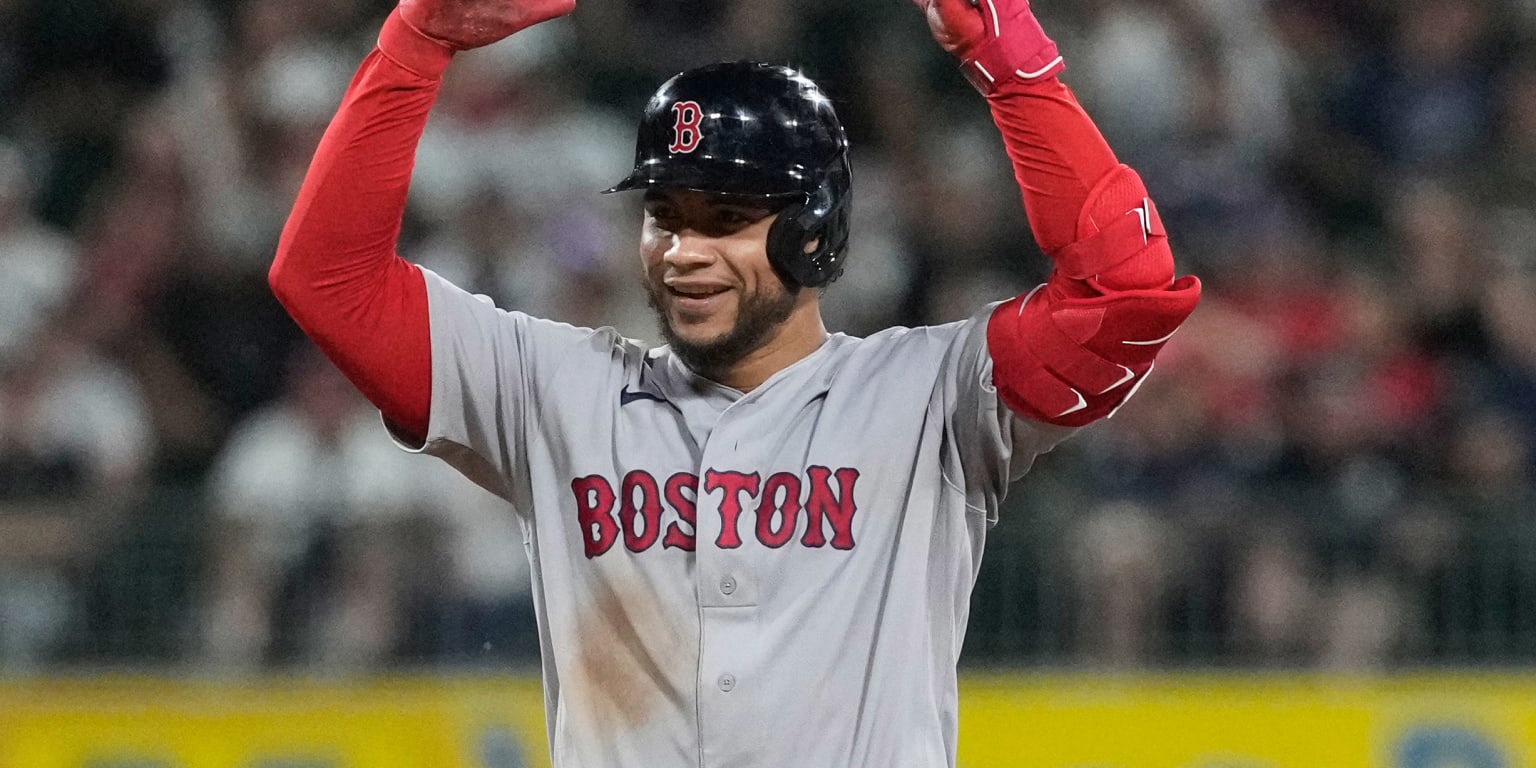
The Red Sox arrived in Chicago with momentum and left with it intact. Behind six scoreless innings from Payton Tolle and back-to-back home runs by Andruw Monasterio and Ceddanne Rafaela in the third inning, Boston dismantled the White Sox 8-1 on Tuesday night, extending their winning streak to four games and their larger run to nine wins in their last eleven contests. For a team that sat seven games below .500 as recently as May 23, this velocity matters. At 41-48, the Red Sox have clawed back to within seven games of an even record—a threshold that appeared unreachable three weeks ago. What separates this stretch from prior false alarms is the specificity of the improvements.
Tolle's performance was not merely serviceable; it was a direct refutation of his worst outing. After coughing up six runs on seven hits and three walks against Washington last Wednesday (nine days ago), the rookie left-hander faced immediate narrative pressure. He responded with clinical precision: two hits allowed, one walk, six strikeouts, 91 pitches, and a 3.14 ERA. This rebound matters because Tolle represents the team's cost-controlled rotation pillar. When a prospect with his ceiling—high velocity, strikeout upside—answers a disaster start with a shutdown performance rather than compounding it, that's institutional evidence of competence under pressure, not panic.
The home-run surge is the second structural signal. Boston has homered in nineteen of its last twenty-four games, producing thirty-one total long balls in that window. Four games into this road trip yielded seven homers. This is not variance noise. The team identified a swing-and-miss problem in June and made micro-adjustments: fewer chase rates, more discipline on pitches outside the zone. Willson Contreras, the All-Star acquisition who was formally added to the roster on Tuesday, has been the engine (9-for-25 with three homers and eleven RBIs since June 29), but Monasterio and Rafaela demonstrating immediate pop in high-leverage spots means the power production is distributed, not fragile. A middle-order built on three or four accidental home runs per game is vulnerable; one built on consistent batted-ball quality is durable through the All-Star break and beyond.
For prop purposes, the Boston angle is multifaceted. Tolle's strikeout prop becomes relevant at shorter odds. He carries a 6.1 K/9 for the season and has now posted back-to-back outings of clean stuff (six strikeouts yesterday). His next start falls after the All-Star break; the immediate play is monitoring his line in one-off matchups before July 15. More durable is the Red Sox team total trajectory. They were basement dwellers in team run production two months ago; over the last eleven days, they have scored 5.2 runs per game and are facing middle-of-the-pack pitching staffs (White Sox, Rays, Orioles) through the break. If the market has priced them as a 4.2-run-per-game offense because of the season-long aggregate, tonight's closing-stretch matchups offer an edge on overs. The team average will not settle permanently at 5.2; it will regress. But until the All-Star break resets perception on July 15, the lag between their actual production (5.2 rpg) and their traded-at pricing (closer to 4.5) creates a four-to-seven-game window where team-total overs carry value against recency-resistant sportsbooks.