Red Sox Snap Two-Month Home Skid; Rafaela's Clutch Gene Signals Offensive Pivot
By Justin Erickson ·
Boston's first Fenway series win since early April arrives on the strength of late-inning discipline from its most reliable closer, but the team's offensive profile shift carries real implications for team total props going forward.
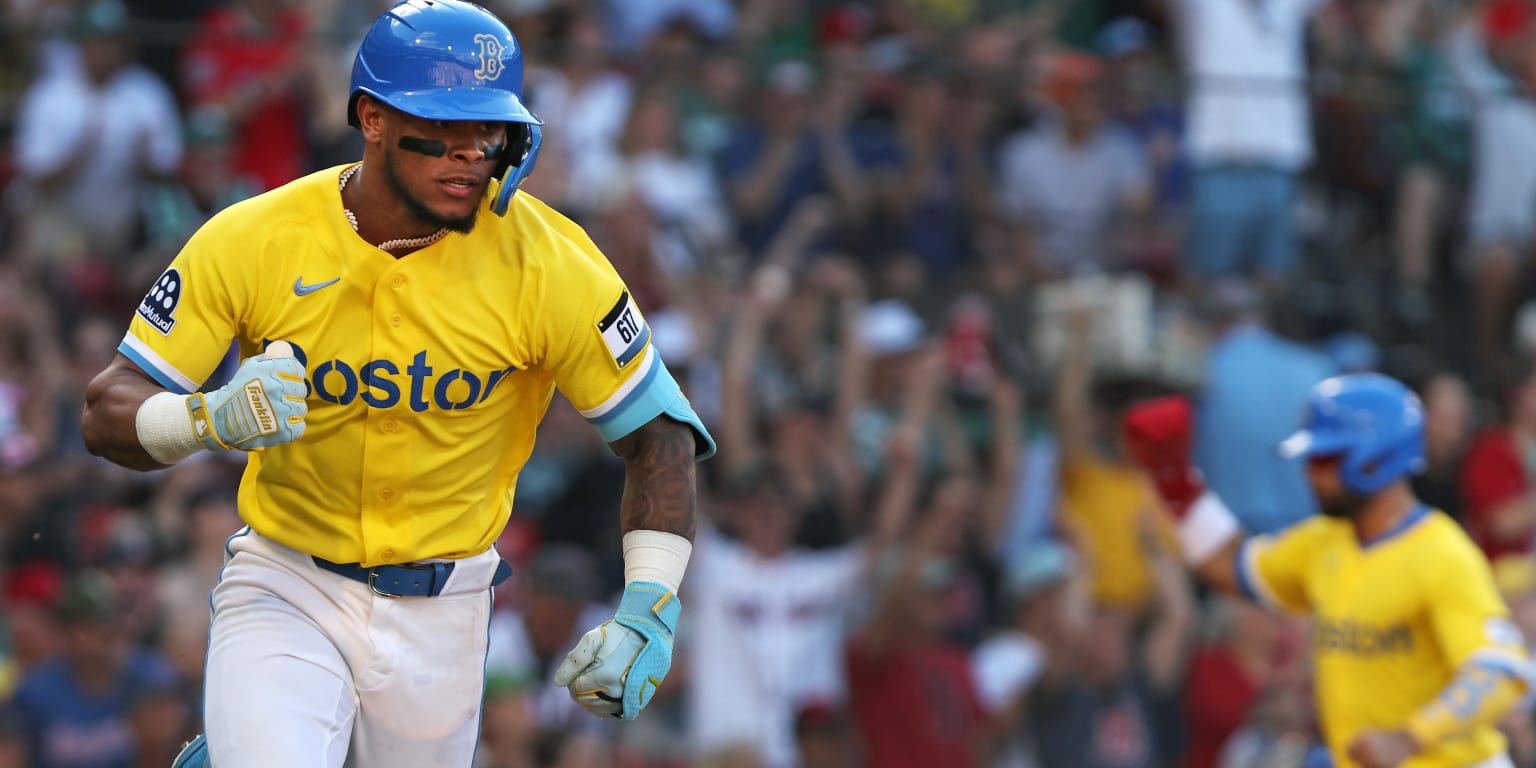
Ceddanne Rafaela delivered the go-ahead two-run single with the bases loaded and two outs in the seventh inning Saturday, lifting the Red Sox past Texas 6-3 and marking Boston's first series victory at home in over two months. The moment itself was unremarkable on the surface—a line drive through the shortstop hole off Rangers left-hander Robby Ahlstrom—but the mechanics of how Rafaela got there mattered more than the result. After chasing two pitches well out of the zone to fall behind 1-2, he reset his approach, shortened his swing, and forced contact on the next strike. That disciplinary correction in a high-leverage spot is not noise.
Rafaela has built a reputation as a closer in clutch moments throughout his career, and Jarren Duran's assessment—"ice in his veins"—captures a repeatable trait: the ability to suppress panic and narrow his focus when the game tightens. The Red Sox haven't bottled that consistently at Fenway since April 8, when they took a rubber match against Milwaukee in their second home series of the season. The organization has gone 66 days since winning back-to-back games at home. That drought doesn't erase a 29-39 record, but it does signal a shift: the offense finally extracted a multi-inning win built on quality at-bats rather than a collapse by the opponent.
Duran's two-run homer one inning later—his first long ball since June began after belting nine in May—extends the narrative of a team moving out of a prolonged offensive funk. He acknowledged a terrible June (before Saturday) and the mental weight of overcomplicating his approach. One productive swing doesn't reverse a month-long slump, but it can unlock the psychological reset required to sustain better at-bats. The interim manager Chad Tracy emphasized that the offense is "getting good at-bats," which is the causal language of durability: not luck or variance, but process.
For prop bettors, the Red Sox team total line has been priced conservatively for weeks, anchored to a losing record and a home ballpark where they'd failed to win consecutive games. At current numbers (Boston is a +125 underdog against most AL East opponents), team totals around 4.0–4.5 runs embed an assumption of continued offensive brittleness. If Rafaela's discipline in pressure spots is persistent—and his career data suggests it is—and if Duran's cognitive reset produces sustained swing improvement, the team total over at 4.5 or higher on coming home stands carries edge. The move isn't on one win; it's on the signaling of a team that can execute in tight spots rather than fold. That's the kind of behavioral anchor that survives line movement because it reflects process, not outcome.
Roman Anthony remains out (torn tendon in right ring finger; no return timetable disclosed), which caps ceiling upside. But with Wilyer Abreu and Willson Contreras available, the lineup has enough complementary depth to sustain the offensive trend if Rafaela and Duran hold their reset. The Red Sox still sit 10 games underwater in a division they won't win, but the first home series win in two months is the kind of inflection point that moves team-total perception before the market reprices it.