MLB
Turner's Slot Swap Signals Desperation, Not Correction—Yet
The Phillies demoted their reigning batting champ to second in the order, and one game of production doesn't erase a .608 OPS.
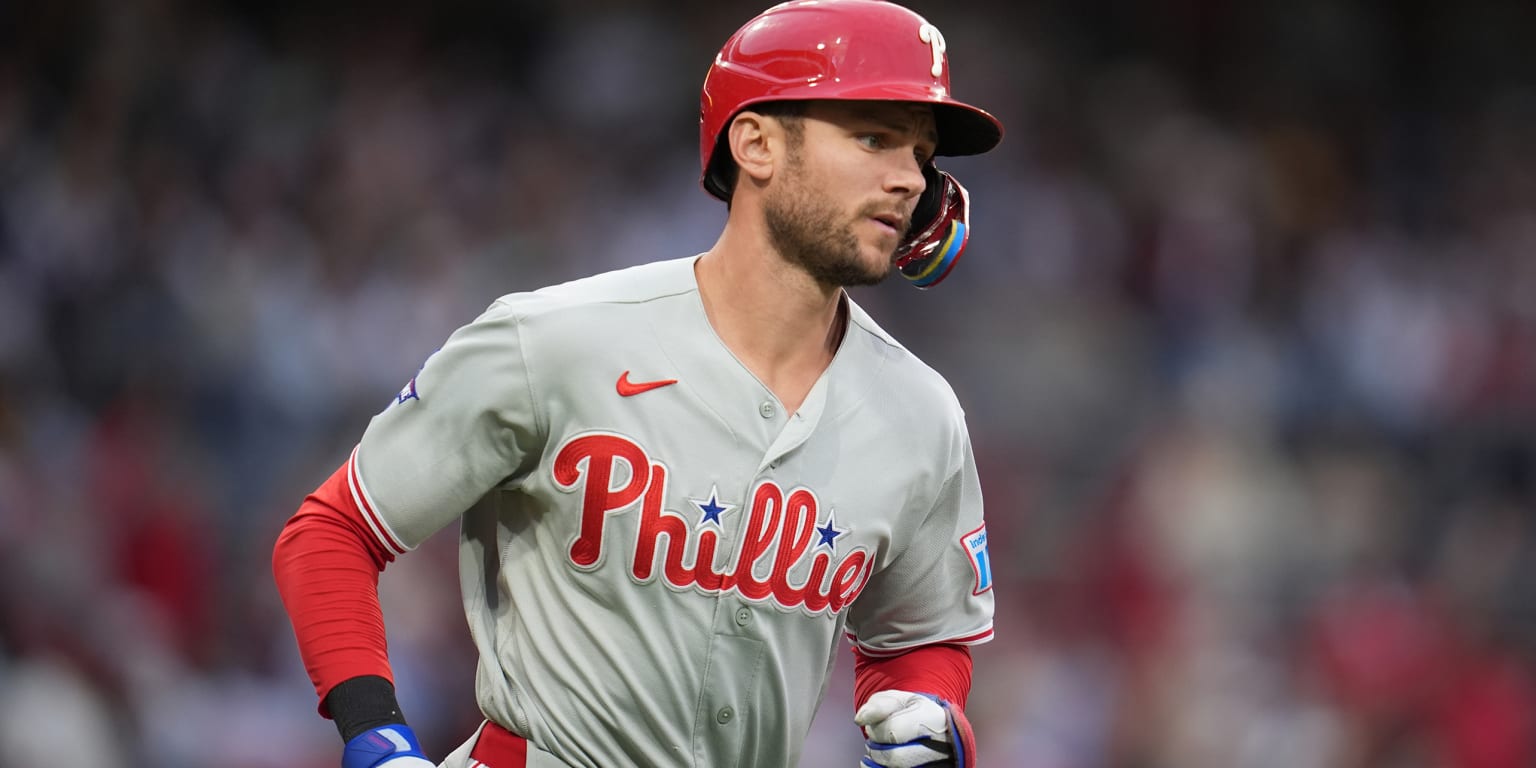
Don Mattingly moved Trea Turner out of leadoff for Tuesday's game against San Diego, sliding Kyle Schwarber into the top spot while Turner dropped to second. The move arrived after weeks of pressure—Turner entered the night hitting .221 with a .277 on-base percentage and a .608 OPS, following a brutal 0-for-16 stretch with six strikeouts over his previous four games. Turner responded with a 434-foot solo homer in the third, a stolen base, and a hit in the fifth, helping the Phillies edge the Padres 4-3. It's the kind of one-game narrative that sportsbooks and casual bettors will anchor to, and it's precisely the kind of narrative to ignore.
Turner's May performance has been historically bad. He batted .178 (16-for-90) with a .475 OPS last month, a baseline so far below his 2024 standard (.304 average, .312 out of leadoff specifically) that one home run doesn't constitute evidence of correction. The issue isn't his position in the order—it's his approach, pitch recognition, or health. Mattingly acknowledged this: "It's not a situation that you think is going to sustain itself. Trea's going to get it together." That's a manager buying time, not diagnosing a fix. The Phillies offense ranked tied for 22nd in runs per game entering Tuesday (4.0). Even with Schwarber's league-leading eight first-inning homers, Turner had been on base for only two of them, meaning the lineup wasn't compounding early damage. Dropping Turner to second doesn't address his strikeout rate or his inability to make consistent contact; it just changes the pitcher he faces.
Schwarber brings legitimacy to the leadoff experiment—he ranks in the all-time top 10 in leadoff homers and has proven he can put early pressure on opposing starters. But the Phillies' underlying run-generation problem stems from Turner's extended absence at the plate, not his real estate in the order. Over 50 plate appearances in May, he's accumulated a 37% strikeout rate and a 22% hard-hit rate, both indicators of severe swing-and-miss or mechanical disfunction. One night of results doesn't move those needles.
For prop bettors, Tuesday's game is noise masquerading as signal. Turner's homer was a momentum moment—real, but contextually thin. His season slash line is still .221/.277/.608 entering his next game. If the market prices him as "fixed" based on one multi-hit game, that's where the edge lives: fading any spike in his hitting props (HR, TB, hits over) over the next 2-3 games until a larger sample clarifies whether this is reversal or variance. Similarly, any uptick in Phillies team totals keyed to Turner's reappearance deserves scrutiny. The lineup's structural issues—a non-productive leadoff hitter, a middle-order struggling to drive in runners—won't resolve because of lineup geometry. Schwarber's presence may create marginally better spot-hitters for Turner, but if Turner remains unable to catch up to fastballs or lay off sliders, the math stays broken.
Mattingly is cycling through solutions in real time. That's the tell. When a manager makes a lineup change and calls it "not ideal" but necessary, he's admitting the current state is unsustainable—not that the new arrangement is durable. Watch the Phillies' next 3-5 games for pattern confirmation. One homer doesn't reprove a .608 OPS.
MLB Intelligence — Baseball intelligence beyond the box score. Open MLB Intelligence →