Arraez's Cleanup Slot Reshuffles Phillies Offensive Math—And Batting-Order Props
By Justin Erickson ·
Luis Arraez's maiden game in Philadelphia brought an RBI single and a double from the fourth spot, forcing a recalibration of how the Phillies will generate runs through their top four.
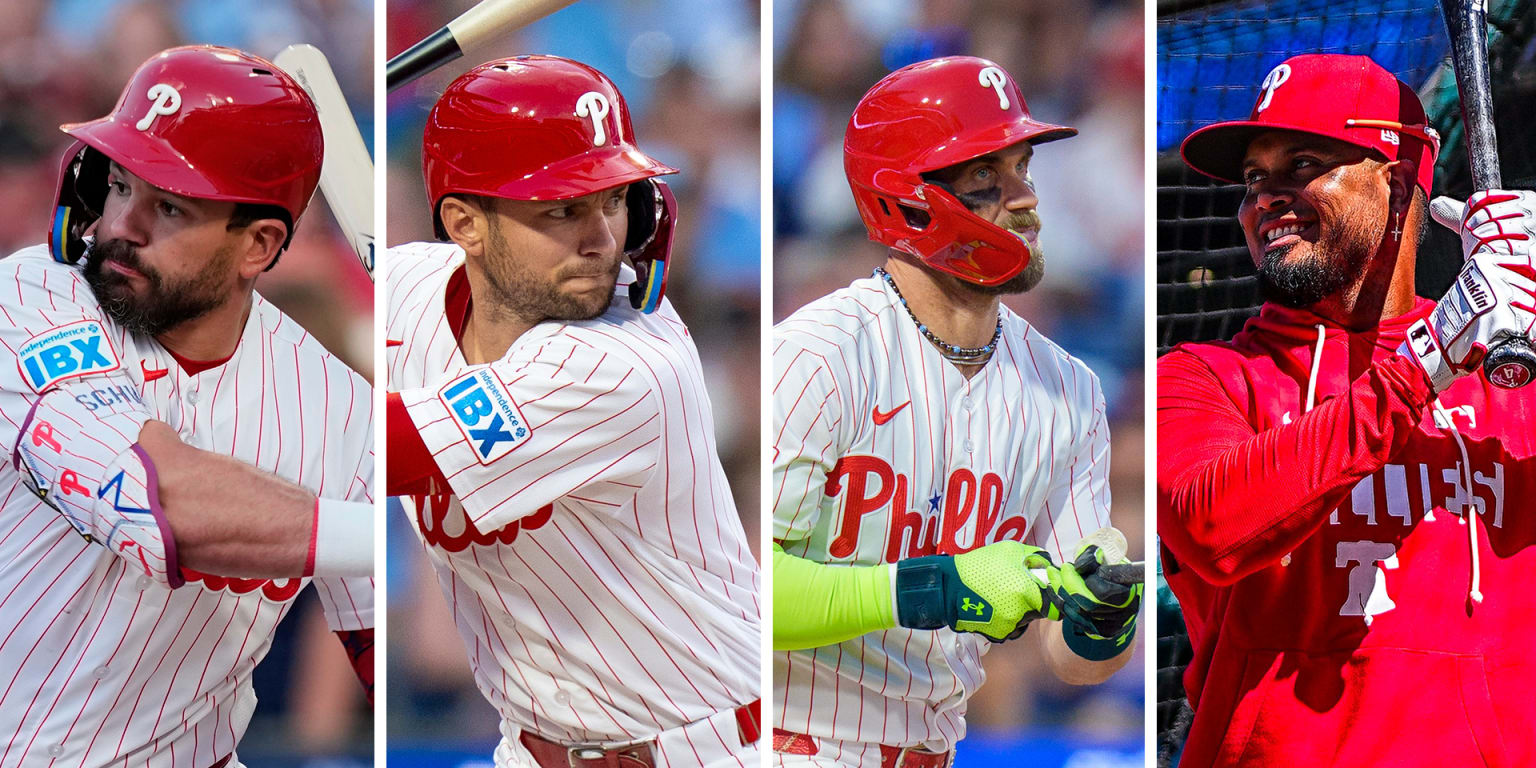
Don Mattingly auditioned several lineup configurations before settling on Kyle Schwarber leadoff, Trea Turner second, Bryce Harper third, and Luis Arraez cleanup for Tuesday's contest against Washington. The choice reflected a philosophical pivot: rather than reserve the fourth spot for a power-first slugger, Mattingly prioritized contact and base-running value with runners in scoring position—a trend that has spread across MLB this season, where the cleanup hitter now posts lower batting average, on-base percentage, and slugging percentage than the top three spots.
Arrayez validated the logic immediately. In his first at-bat as a Phillie with two runners on and one out, he lined an RBI single to center off standing ovation. He doubled in the third to extend the lead to 2-0. The integration required structural sacrifice: Harper shifted back to right field for the first time since April 2022, Bryson Stott moved to third base for just his third career appearance there, and Alec Bohm relocated to first. The Phillies made no attempt to move Arraez off second base, the position he emphasized he wanted to hold after his time with San Francisco.
The immediate productivity masks a deeper question about lineup equilibrium. Arraez finished 2025 with a .293 batting average and elite contact rates—he struck out in just 12.8% of his plate appearances, among the lowest in baseball. He doesn't hit for power; his career slugging percentage sits at .410. Plugging him into the four-hole sacrifices traditional cleanup impact in exchange for consistency and the ability to drive in runs with gap hits and productive outs. Turner, now batting second after spending most of 2025 leadoff, carries a .283 average and steals (he swiped 16 bases through early August), giving the Phillies a speed-first secondary presence. Schwarber's leadoff duties rely on his 11.2% walk rate—above the league average of 8.3%—to engineer baserunners.
For batting-order prop purposes, this alignment tilts the risk toward Arraez RBI production in the short term. His first game delivered two hits with one RBI; he'll bat in the fourth spot most nights, guaranteeing multiple plate appearances with runners already on base. However, the edge is time-bound and fragile. Mattingly explicitly noted the order remains fluid ("none of this is set in stone"), and early-season lineup tinkering rarely survives 20 games without regression to team tendencies or injury adjustments. Arraez's RBI rate in the cleanup slot will likely run hot in August before stabilizing as the market prices his true cleanup batting average—approximately .290—against opposing pitching. The first week offers elevated RBI upside; fade it by Labor Day.
Turner's movement into the two-hole creates a secondary angle: his stolen-base prop may decline slightly because leadoff hitters receive more steal-friendly pitch counts and bases-loaded scenarios that discourage theft. Expect his SB line to contract from his earlier-season leaderboard perch, though his speed profile remains elite. Schwarber's walk rate in the leadoff spot should remain steady, making on-base-percentage props reliable throughout the stretch run.