MLB · transaction
Peralta's Mets Collapse Signals Deadline Desperation—Rays Bet on Reclamation
The Mets dump a $100M rotation centerpiece after four months of decline, and the pitching props tell you exactly why.
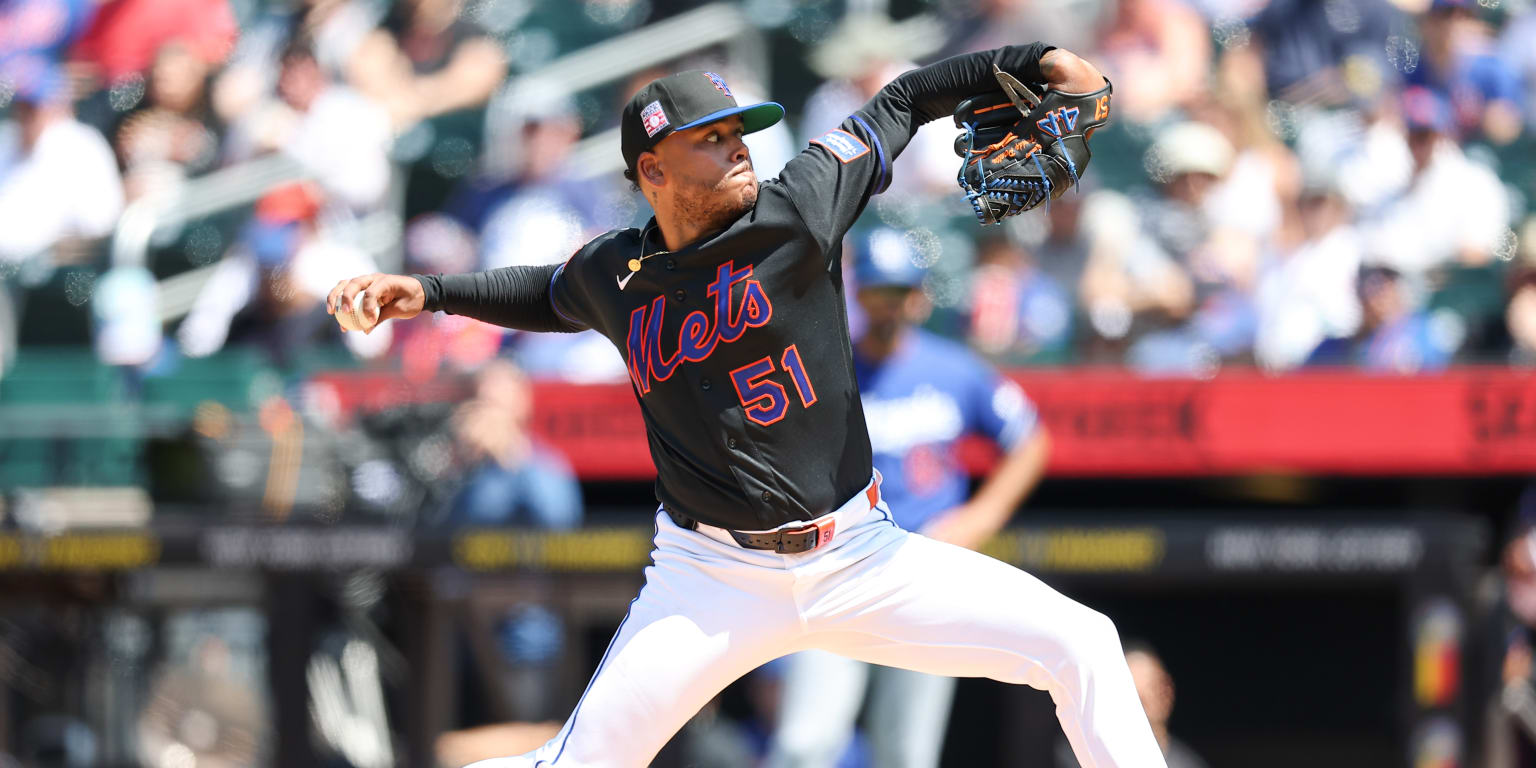
Freddy Peralta is no longer a Met. On Sunday, New York shipped the right-hander to Tampa Bay in exchange for three minor-league prospects—outfielder Aidan Smith, second baseman Émilien Pitre, and right-hander Gary Gill Hill—a fire sale that crystallizes the Mets' organizational implosion. Peralta arrived last January as the ace acquisition, the pitcher tasked with anchoring a rotation built to contend. Four months later, he became the symbol of everything that went wrong: a marquee offseason addition exposed by his own performance, traded away at deadline to a last-place team desperately clearing payroll.
The mechanics of Peralta's collapse are readable in every meaningful pitching stat. From May 23 through July 20—a 59-day window that captured his Mets tenure in full decline—he posted a 6.67 ERA across 11 starts, a number that doesn't just miss league average; it actively tanks playoff odds. His fastball velocity dipped measurably, and the extension that had once given hitters minimal reaction time disappeared with it. His strikeout rate cratered. Walks climbed. These aren't unlucky sequencing stories or tough-luck luck. Peralta simply couldn't execute. The Mets' pitching staff had four months to identify and fix whatever was broken—a mechanical flaw, a conditioning issue, a confidence spiral—and they failed. That failure is the entire trade.
For the Rays, Peralta becomes a low-cost reclamation gamble. Tampa's pitching infrastructure is not the Mets'—the organization has a track record of salvaging careers and mining velocity gains from mechanical adjustments. Whether that translates here remains unknowable, but the Rays are betting that a change of scenery and a competent coaching staff can unlock what Peralta insists are still intact: his raw stuff and his clubhouse value. That's a reasonable organizational bet at deadline when the alternative is nothing.
From a prop perspective, Peralta's fate matters most to Mets bets going forward. His exit removes approximately 100 innings of high-volatility, low-confidence pitching from New York's rotation—innings that were dragging down team ERA, bullpen leverage, and game outcomes. Over his final 11 starts, Peralta was effectively a below-replacement starter. The Mets' team total for August tilts upward now simply because they've removed a reliable liability from the math. Conversely, anyone holding unders on Mets team totals locked in before the trade announcement got an unintended gift: the lineup stays the same, but the pitching improves by subtracting damage. If the market hasn't fully priced in the relief of Peralta's departure by Monday's games, early unders on Mets totals represent genuine value. The Rays' bullpen depth and the likelihood they'll keep Peralta on a strict workload limit (given his mechanical concerns and the team's preference for pitch-limit management) also suggests staying away from Peralta strikeout props until he proves velocity and command are actually recoverable at full volume.
MLB Intelligence — Baseball intelligence beyond the box score. Open MLB Intelligence →