Rays Gamble on Peralta's Velocity: Acquisition Signals Desperation and Opportunity in Rotation Depth
By Justin Erickson ·
Tampa Bay surrenders three top-30 prospects for a 30-year-old ace whose fastball velocity has cratered in 2026, banking on reclamation ahead of Monday's deadline.
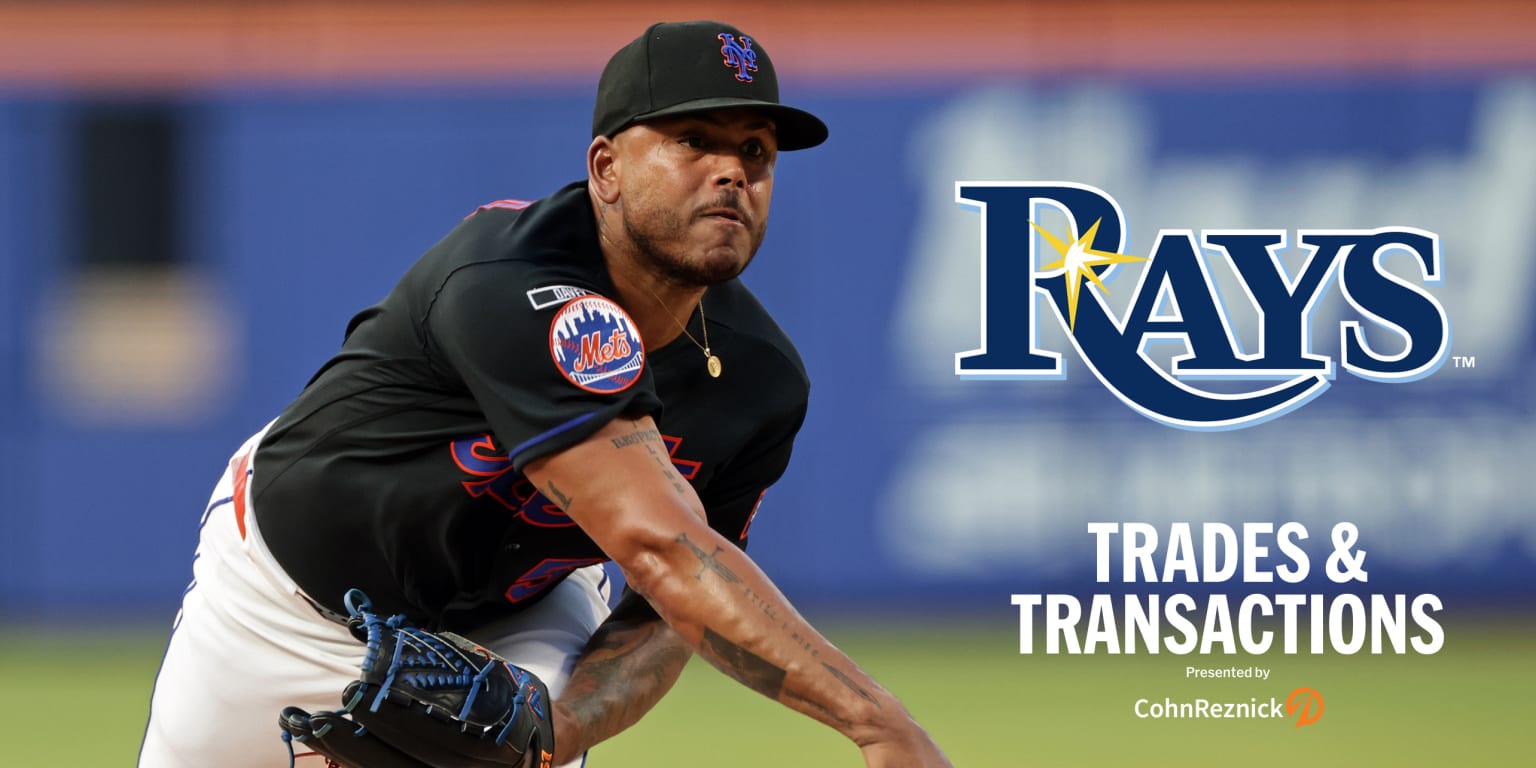
The Rays completed a trade with the Mets on Sunday to acquire right-hander Freddy Peralta, sending three minor-league prospects—center fielder Aidan Smith (No. 15 in Tampa's system), right-hander Gary Gill Hill (No. 26), and infielder Émilien Pitre (No. 27)—in return. Peralta, a 30-year-old pending free agent carrying an $8 million salary for the remainder of the season, arrives in Tampa as a reclamation project masquerading as a depth add for a 65-45 club that already owns the AL's best record.
The trade mechanics reveal exactly why New York was willing to move him: Peralta has been a disaster in Mets colors. Over 22 starts, he posted a 5-9 record with a 4.99 ERA. More damning, from May 23 through July 20—roughly the final 39 days—he allowed a 6.67 ERA over 11 outings. His strikeout rate has contracted, walks have climbed, and scouts report lost velocity on his signature four-seam fastball alongside diminished extension that once compressed hitters' reaction windows. His trajectory from a 2.70 ERA, 17-6 Brewers season last year to this freefall is severe enough that even Tampa's vaunted organizational confidence couldn't justify a larger price. Three prospects—even well-regarded ones—amounts to a calculated hedge bet on his being salvageable rather than a vote of confidence.
Yet Tampa's starting depth does warrant the swing. Drew Rasmussen and Nick Martinez are All-Stars; Shane McClanahan is a two-time All-Star currently sidelined with a minor back issue. The fifth-starter role has been filled adequately by converted reliever Griffin Jax and bulk-innings arm Ian Seymour. If Peralta can recover even 80% of his stuff—a material if-then clause—the Rays suddenly hold four frontline starters down the stretch and into October. The Mets, meanwhile, dodged paying 33% of his remaining salary while consolidating their farm system's depth ahead of likely rebuild talks in the offseason.
From a betting lens, Peralta's line prop markets will likely overcorrect initially. His strikeout prop and ERA line will collapse on the narrative of a change of scenery, bullpen support, and mechanical reset. Markets absorb coaching changes and warm bodies faster than they price in velocity recovery. If Peralta takes the mound for Tampa in the coming week, his strikeout prop will be soft (undershooting his true likelihood), and his ERA line could swell unfavorably for overs in his debut. The real edge is modest: fade his props for one start as the sentiment panic dissipates, then reassess after he throws once in a Rays uniform. If velocity remains absent, the market will have already collapsed the line; if it returns even partially, you'll have missed the opening-day mispricing—making early action on his strikeout or ERA props a patience play rather than a slam.
Tampa's rotation is now among baseball's most complete, with a secondary benefit: lower variance in team total and run-line props during Rays starts containing Peralta. The Rays' offense has been anemic relative to their pitching advantage all season. With Peralta adding even replacement-level stuff to the rotation, the probability of low-scoring Rays wins increases, favoring unders on team totals when he starts and potentially creating moneyline value on Tampa spreads where books overshoot the run environment.