MLB
Jump's Strikeout Surge and the A's Pitching Reset Against Boston
Gage Jump's 11-strikeout outing halts Oakland's nine-game skid, but the real edge lies in understanding what changed in his pitch mix and whether the Red Sox offense can adjust before Sunday's rematch.
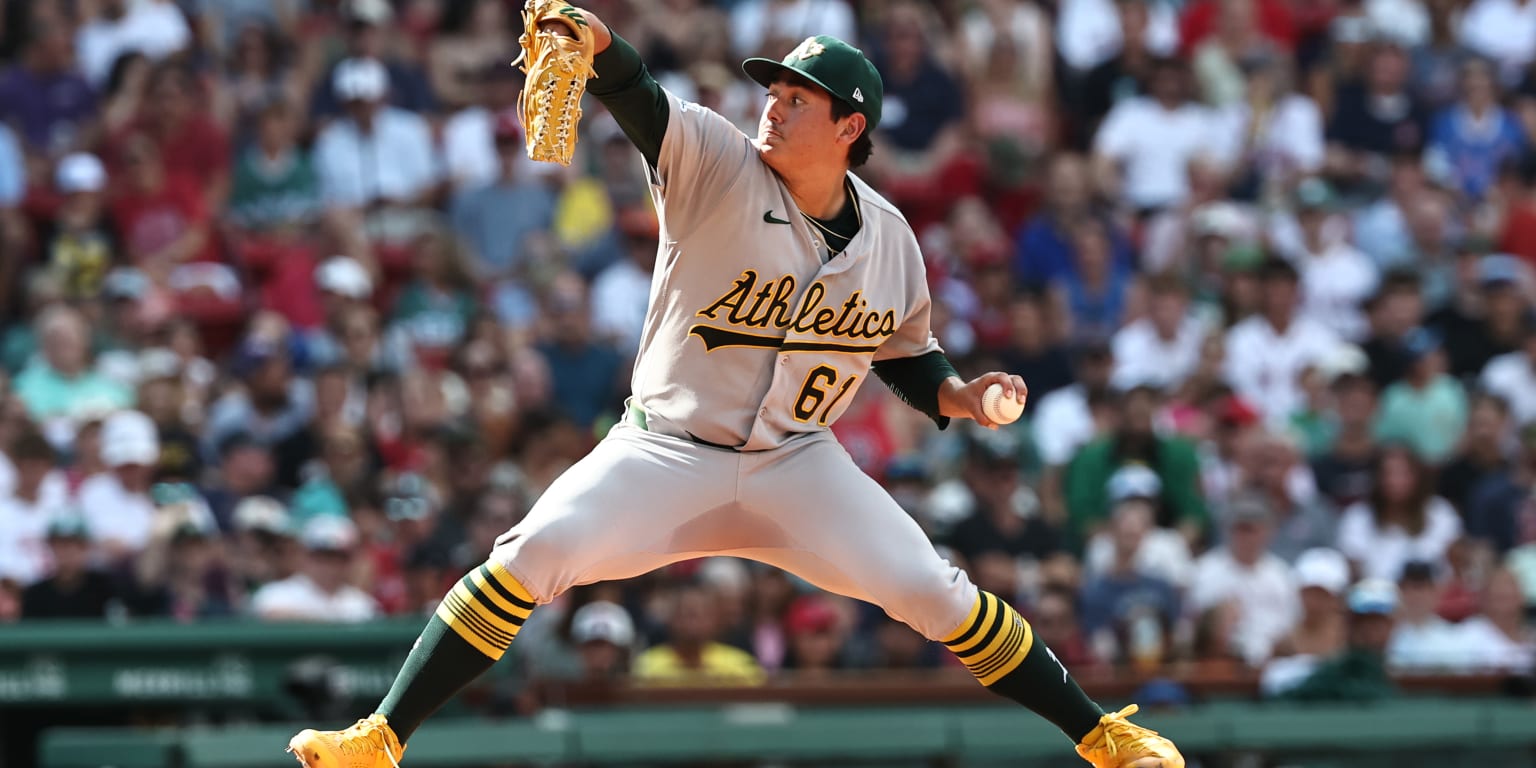
Gage Jump struck out 11 Red Sox batters over six innings Saturday at Fenway Park, snapping the Athletics' nine-game losing streak with a 7-3 victory. The performance was historic for Oakland—Jump became the first A's lefty since 1928 to reach 11 strikeouts at Fenway—but more important for bettors is the mechanics of how he got there. Jump fastball usage dropped to 38% of his pitch mix, nearly half his seasonal rate. He more than doubled changeup deployment to 17% and quadrupled sinker usage to 12%, fundamentally altering how Boston's hitters approached the zone. The Red Sox came in hot—they'd won their previous outing before Saturday—but Jump's scheme change exposed them. He threw 69 strikes on 100 pitches, an elite strike percentage that correlates directly to swing-and-miss rates on off-speed offerings.
What makes this performance durable rather than a single-game spike is the repeat element. Jump faced Boston on July 28, also at Oakland, and delivered six shutout frames with seven strikeouts in a 4-3 A's win. He studied that game tape before Saturday's start, identified his most effective sequences, and then amplified them with increased fastball-zone flooding and aggressive off-speed timing. This is not a lucky variance event—it's a pitcher who found a specific counter to a specific opponent and executed it twice. The Red Sox have no film on this new pitch distribution because Jump rarely deployed it until now; that information asymmetry is the edge.
The A's as a team needed this break badly. Nine consecutive losses drain confidence, and a seven-run victory with quality starting pitching begins to reset narrative momentum in the dugout. Oakland's hitters contributed—Tyler Soderstrom homered for the second straight day and extended his hitting streak to seven games, now sporting a 1.094 OPS in August—but Jump's arm was the backbone. The A's fell behind 2-0 in the first inning and mounted their comeback on the back of pitching stability, not offensive brilliance. That's the kind of win that can anchor a turnaround, provided the pitching holds.
For prop bettors, the angle here bifurcates into two windows. First, Jump's strikeout props in future starts against similar fastball-focused hitters should command attention. The Red Sox ranked in the bottom half of the majors in strikeout rate before Saturday; they're vulnerable to the changeup-heavy approach that Jump deployed. If he faces comparable competition—teams that sit dead-red on fastballs—his K prop should trade at modest numbers despite Saturday's headline. The market will overweight the 11-strikeout outlier and underprice the repeat mechanism. Second, Sunday's series finale with J.T. Ginn on the mound for Oakland offers a sustainability question: the A's snapped their losing streak, but a 12-game series losing streak remains. Ginn has consecutive quality starts heading into Sunday, making him a less volatile variable than Jump was, but the A's offense remains inconsistent. Lean cautiously on A's moneyline props if odds reflect the magnitude of Saturday's win as a permanent shift rather than a correction within a broader trend of underperformance.
MLB Intelligence — Baseball intelligence beyond the box score. Open MLB Intelligence →