Jump's Shoulder Impingement Ends Oakland's Prospect Season Early
By Ty Whitney ·
The Athletics' top left-handed prospect exits the year two weeks before it ends, reshuffling the rotation's backend and tightening Oakland's already thin pitching depth chart.
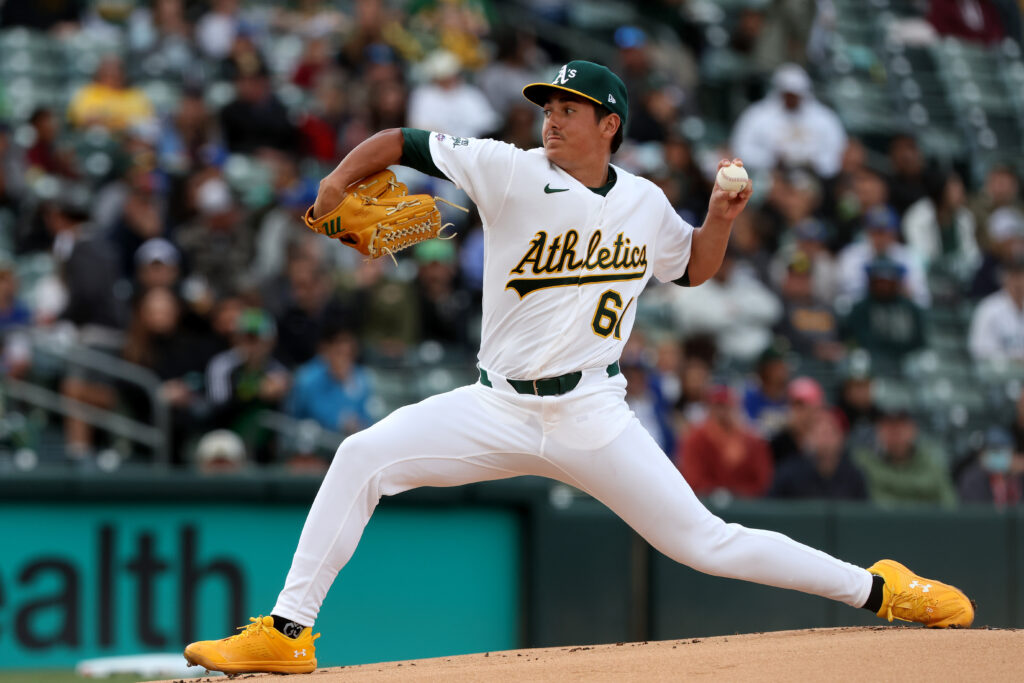
Gage Jump's rookie season is over. The Oakland Athletics placed the left-hander on the 15-day injured list on September 13, retroactive, due to a left shoulder impingement that forced him out of his most recent start after just 44 pitches and two innings. Joe Rock, a fellow left-handed option, was recalled as the corresponding move—a telling choice that signals Oakland's immediate need for warm bodies rather than performance upgrades.
Jump arrived in 2026 as one of Oakland's crown jewels in prospect capital. For a rebuilding franchise with minimal rotation security, a controllable young arm carrying even modest upside was supposed to be a building block. Instead, shoulder issues—the kind that can linger or resurface—have truncated his debut campaign with roughly two weeks remaining in the regular season. The early exit, triggered by a relatively low pitch count, suggests the impingement was either acute or serious enough that continuing risked longer-term damage. In September, when teams are in full win-now mode and prospects are theoretically sheltered, an exit after 44 pitches reads as precautionary, which is the only silver lining: this wasn't a full tear or structural failure requiring surgery.
For betting purposes, this matters most to Oakland's pitching workload and team totals down the stretch. The Athletics' bullpen is already stretched; losing an innings-eater in the final fortnight forces more reliance on relievers who have been overused. Game scripts where Oakland trails late will lean even harder on exhausted arms. Conversely, if the A's build leads, the pitching carousel stops sooner—shorter leash on starters, quicker hooks. This volatility in bullpen deployment typically suppresses totals in the affected team's games, particularly in tight contests where leverage matters. Rock's recall adds a left-handed specialist but not a proven innings producer; Oakland's total innings pitched in remaining games will likely decline compared to pre-injury trajectory.
The real prop angle is Oakland's team total in their remaining 13 games. The club's offensive output isn't directly affected by Jump's loss, but their ability to support a bullpen that's now more heavily taxed does change game context. Teams trailing in the eighth and ninth inning because they're bleeding runs in the seventh (when fresh starter-quality arms are no longer available) tend to see run production compressed. If you're looking at Oakland team totals for any remaining September series, particularly games where they're road underdogs, the trajectory of their bullpen depth should push you toward the under. The shift isn't dramatic—perhaps a 0.3 to 0.5 run adjustment—but it's directional and persistent through the final two weeks of the season, unlike single-game variance.