Jump's Whiff Rate Spike Against Boston Signals a Curveball in Prospect Narrative
By Erik Schwartz ·
The Athletics' young starter recorded a career-high 19 swings-and-misses against the Red Sox, suggesting the command issues that plagued his recent stretch may have been mechanical noise, not a talent cliff.
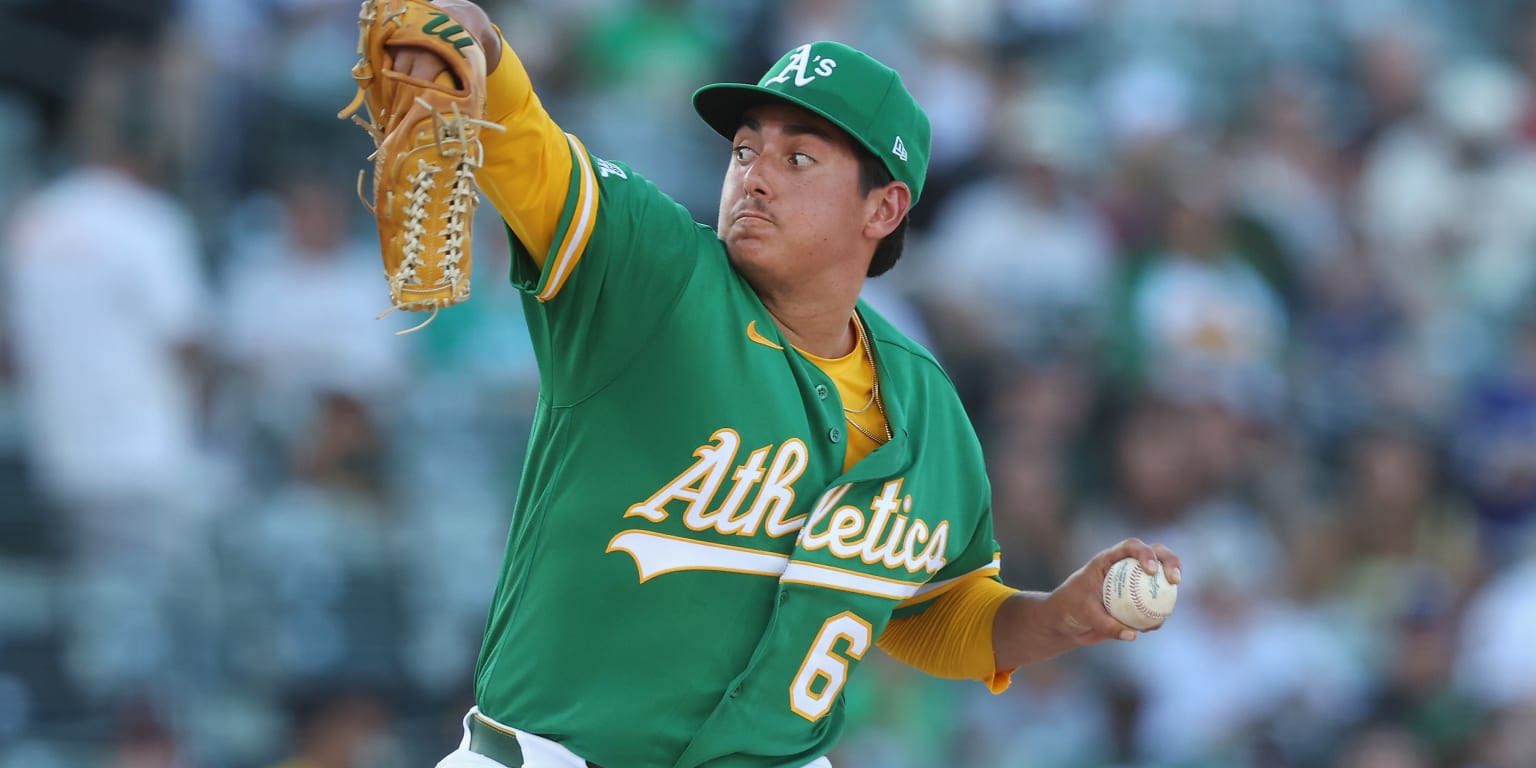
Gage Jump's first 11 Major League starts told a two-act story: electric debut (2.04 ERA over six appearances), then a five-start crater that looked like the wall every hyped prospect eventually hits. Tuesday's six scoreless innings against Boston—with seven strikeouts and a season-high 19 whiffs—rewrites that narrative enough to matter for his prop pricing moving forward.
The initial spark was real. Jump's stuff hasn't wavered: his fastball touched 97.8 mph, and his slider still generates the kind of swing-and-miss that defined his pre-call profile. What changed mid-season wasn't his arm. The problem was execution within the zone. High pitch counts, foul balls stretching at-bats, hitters extending counts and fouling off pitches they couldn't put in play cleanly. Against Boston, that sequencing flaw evaporated. Nine fastball whiffs and six slider whiffs in one start—more than double his typical game output in either category—signals he's regained command timing or that earlier data was compressing a small sample of genuinely difficult matchups into a false decline.
That nine-strikeout swings-and-misses ceiling matters for one reason: it tells the market which Jump is the real one. The prospect package that arrived in Oakland on May 26 was supposed to generate this kind of impact. The 0-5, 8.31 ERA stretch convinced some books and bettors that the gap between prospect projection and big-league execution was permanent. One game—even a dominant one—doesn't reprove the floor. But the mechanism of that dominance (pure swing-and-miss at the top of his range) is exactly what was promised, not a noise-driven outlier.
Strike outs are the most durable hitter-neutral prop in baseball. Jump's K-rate props moving into his next start should already reflect Tuesday's output, but the composition of those strikeouts—high whiff rate on two pitches, command-dependent—is more repeatable than a blowout usually is. If the Red Sox matchup exposed a favorable hitter profile (poor chase rates, inability to lay off sliders), the angle fades immediately. If Jump was simply righting his mechanics and that Red Sox lineup merely happened to be his test case, the strikeout line stands to overestimate regression risk. Watch his slider usage and zone placement in his next outing; if he's actively throwing it in counts where Boston couldn't touch it, the earlier slump was adjustment, not destiny.