MLB · milestone
Imanaga's Pirates Mastery Meets PCA's Breakthrough: Cubs' 11-0 Rout Reshapes Chicago's Ceiling
A dominant left-hander and a breakout young hitter combined to dismantle Pittsburgh, signaling the Cubs may have unlocked their offensive formula.
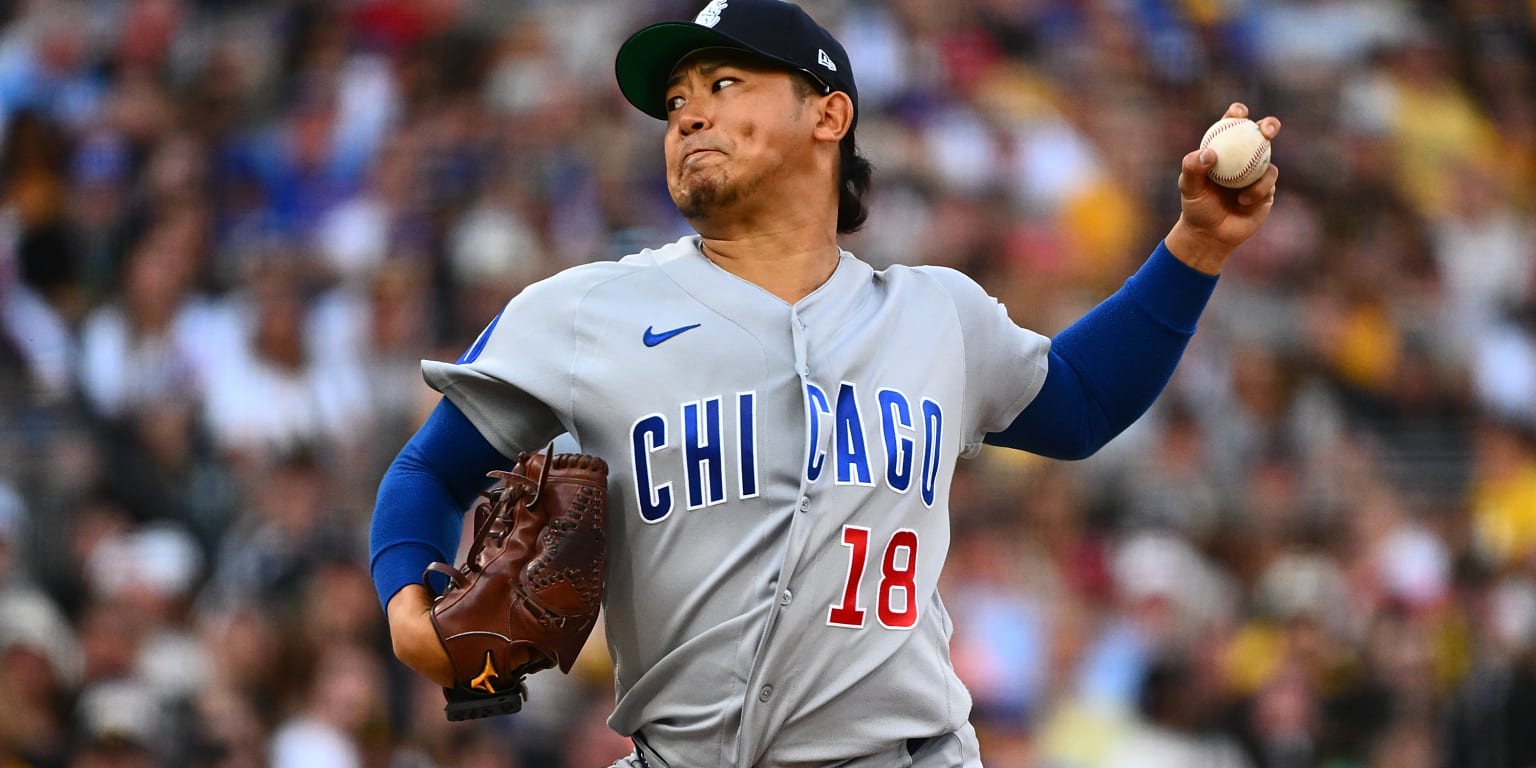
The Cubs erased any doubt about their depth Saturday night, dismantling the Pirates 11-0 in Pittsburgh behind two overlapping dominance displays: Shota Imanaga's six scoreless innings and Pete Crow-Armstrong's 4-for-5, two-double explosion that included a two-run homer. The sellout crowd at PNC Park felt more like an away game for Chicago, a visceral reminder that the Cubs' fanbase travels and that the team's current trajectory has real teeth behind it.
Imanaga's performance was less a performance than a continuation of a three-year pattern so lopsided it warrants serious structural attention. Over 38 career innings against Pittsburgh, the left-hander has allowed exactly one run. On this night: four hits, four strikeouts, one walk across six innings. The Pirates have become a single-purpose opponent in his profile—a team where Imanaga's mechanics, command, and sequencing meet a lineup that has no answer for his fastball-slider cocktail. Paul Skenes, the reigning Cy Young winner, matched Imanaga's first-inning brilliance through four frames (nine strikeouts, no damage). Then the Cubs' bullpen moment arrived: Crow-Armstrong doubled off the right-center wall to break the deadlock in the fifth, Seiya Suzuki followed with a two-run single, and the game transformed in the sixth when Chicago sent 11 batters to the plate and scored five runs before Skenes departed.
Crow-Armstrong's breakthrough matters more than a single game. The young outfielder entered Saturday hitting .267 with occasional power; he left it having demonstrated both speed in the field and the kind of two-strike discipline (4-for-5 includes multiple extra-base hits, not just volume) that projects as genuinely sustainable. His 23rd home run of the season came in the seventh, a two-run blast that punctuated a rout that had already escaped competitive gravity. For a Cubs team that has long carried offensive question marks relative to their payroll and talent ceiling, Crow-Armstrong's sudden convergence of contact quality and power represents a potential inflection point—not a one-night spike, but evidence that the batting-order depth Chicago assembled is actually executing its design.
From a wagering perspective, the Cubs' 16-hit clinic and the Pirates' complete absence of offensive punch create a specific analytical window. Imanaga's career splits against Pittsburgh (0.24 ERA, 38 IP, 1 ER) mean that any future Cubs-Pirates matchup where Imanaga takes the mound should be treated with extreme caution on Pirates moneyline or run-production props. The market will eventually price this in, but casual bettors still lean toward the ace of the moment (Skenes, despite his 0-2 record in this series) rather than the left-hander who has functionally solved their offense. Similarly, Crow-Armstrong's elevated usage in the lineup and his ability to generate extra-base hits against elite fastball pitchers signals that Cubs team totals against weaker starting pitching deserve respect. The Pirates' bullpen collapse and three-pitcher combination in a single game suggests Pittsburgh's depth on the mound may not recover quickly enough to prevent similar scoring binges if these teams meet again soon.
The Cubs have a sweep opportunity Sunday afternoon. Whether that transpires or not, the structural advantage Imanaga carries into every Pirates start is no longer anecdotal—it is a legitimate market edge, especially if the books continue to shade Skenes' perceived dominance over the left-hander's documented track record.
MLB Intelligence — Baseball intelligence beyond the box score. Open MLB Intelligence →