Cubs Walk-Off Theatrics Hide a Bullpen Collapse That Matters More
By PropBetEdge Editorial Team ·
Pete Crow-Armstrong's ninth-inning heroics erased an eight-game home skid, but the real story is how many runs Chicago allowed before needing the comeback.
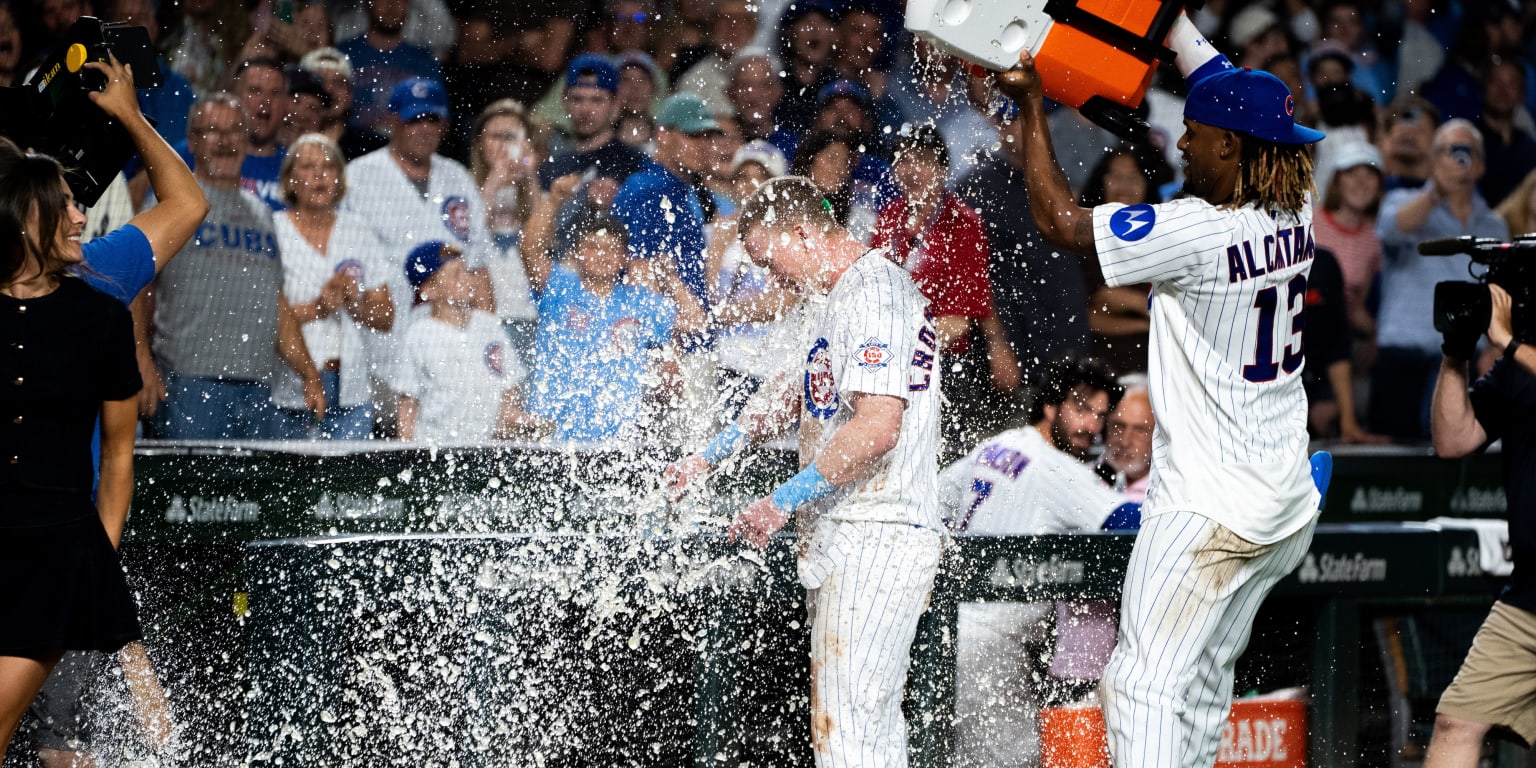
Pete Crow-Armstrong launched a walk-off single off Luis Medina in the ninth inning Thursday night to lift the Cubs past Oakland 7-6 at Wrigley Field, capping a four-run rally that momentarily masked a pitching performance ugly enough to tank a season. Trailing 6-3 with two outs to go, Michael Busch sparked the sequence with a leadoff double. Ian Happ drove in a run with his own double. Moisés Ballesteros added an infield single. Seiya Suzuki came through as a pinch-hitter. Dansby Swanson tied it with an RBI single. Then Crow-Armstrong delivered the kill shot—a line drive to right-center that sent the Wrigleyville crowd into delirium and snapped Chicago's eight-game home losing streak in one swing.
But walk-offs are narrative gifts that obscure structural problems. Cubs starter Shota Imanaga was shelled for six runs across six-plus innings, allowing four home runs including an inside-the-park shot by Shea Langeliers in the sixth when Crow-Armstrong lost the ball in the evening dusk. Langeliers also homered traditionally in the fourth. In the seventh, Oakland's bullpen—specifically the back-to-back home runs from Tyler Soderstrom and Jonah Heim—put the final nails in. J.T. Ginn, Oakland's starter, surrendered a solo shot to Crow-Armstrong in the sixth, the only bright spot in an otherwise lopsided pitching performance. This was not a game the Cubs won through baseball excellence; it was a game Oakland lost through a collapse in the ninth. The A's held a three-run cushion with nine outs to record and coughed it up entirely.
From a betting perspective, this outcome shuffles the Cubs' near-term direction but doesn't erase the offensive inefficiency that has defined their season. A single walk-off, even one that ends a home skid, doesn't reverse the underlying form. Crow-Armstrong's heroics—and Happ's two-run blast, which Statcast measured at 446 feet—will generate momentum narratives, but one-game variance swings obscure the fact that Chicago's pitching depth remains brittle and their ability to put together consecutive strong performances remains questionable. The market will likely tighten Cubs win totals and lean into home field advantage narratives, but the regression mechanics haven't changed: their starters are leaking runs at a rate that no ninth-inning magic can sustain over a full series.
The propositional angle here centers on volatility, not direction. Cubs team totals spiked Thursday; expect public money to follow the walk-off narrative and bump their next few moneylines and spreads tighter than the underlying talent distribution supports. Imanaga's six-run outings are not outliers in his recent work—they're closer to baseline. Fading the Cubs' moneyline premium in the next game (especially if the number moved north of -130) captures the gap between Thursday night emotion and Friday's pitching matchup reality. Conversely, the A's bullpen implosion in the ninth (Joel Kuhnel allowed the go-ahead run with one out in the ninth) suggests that Oakland's relief pitching is fragile; if they're favored again soon, taking Chicago's run line or moneyline at plus-money has merit, but only on the strength of A's bullpen weakness, not Cubs momentum. The walk-off is a memory. The pitching splits are data.